
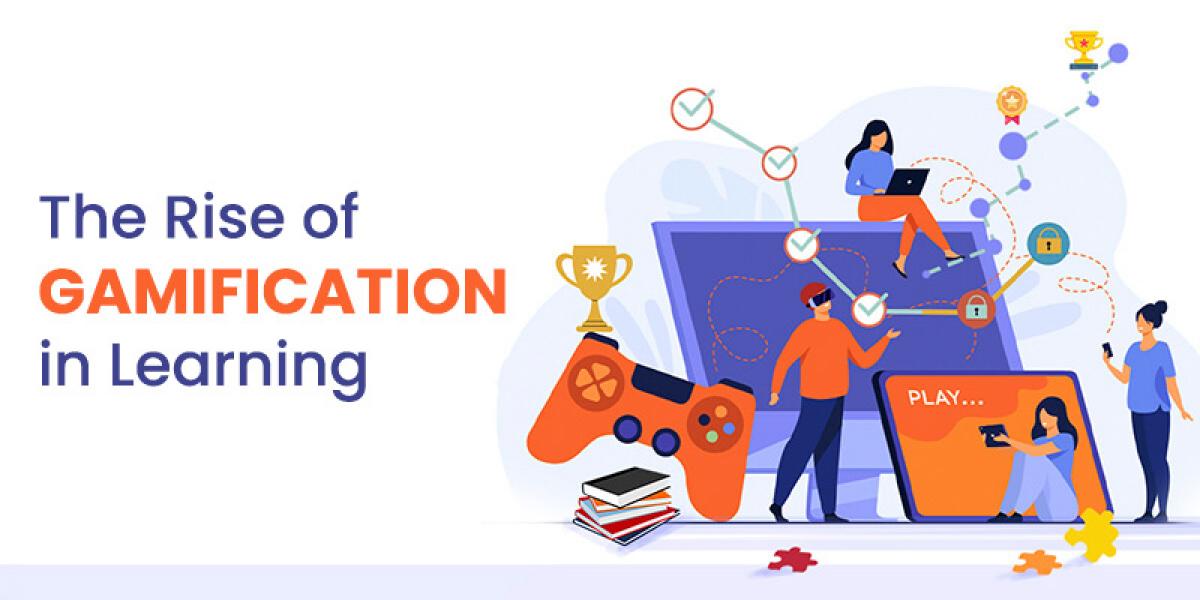
The Future of Educational gamification: How Interactive Learning is Transforming Classrooms
The classroom of tomorrow is rapidly taking shape today,driven by innovative digital tools and dynamic teaching strategies. Among these, educational gamification and interactive learning stand out as game-changers—redefining how students engage, retain knowledge, and develop critical skills. In this comprehensive guide, we explore the evolution, benefits, and future prospects of gamified instruction, complete with practical examples and expert insights.
What Is Educational Gamification?
Gamification in education refers to the integration of game-based elements—points, badges, leaderboards, and challenges—within learning environments to boost motivation and engagement. Unlike conventional rote learning, interactive gamified platforms allow students to solve problems, collaborate, and experiment in a creative setting.These new methods cater to a diverse range of learning styles and make lessons more accessible and appealing.
Key Elements of Gamified Learning:
- Points and Rewards: Incentivize progress and mastery of concepts.
- Badges and Achievements: Recognize accomplishments, fostering a growth mindset.
- Leaderboards: Encourage healthy competition and peer motivation.
- Storytelling and Missions: Enhance context, relevance, and emotional connection.
- Immediate feedback: Empower learners to correct mistakes and improve continuously.
Benefits of Interactive Gamification in the Classroom
The fusion of gamification and interactive learning offers multifaceted advantages for students and educators alike. Here’s how this approach is transforming traditional teaching:
1. Increased Student Engagement
- Gamified lessons tap into intrinsic motivation, making students more likely to participate actively.
- Interactive challenges sustain focus and promote perseverance, even with complex topics.
2. personalized Learning Paths
- Adaptive game mechanics enable individualized instruction suited to each learner’s pace and abilities.
- Progress tracking reveals strengths and areas for improvement, fostering self-awareness.
3. Improved Knowledge Retention
- Experiential, hands-on games facilitate deeper understanding than passive lectures.
- Regular quizzes and interactive tasks reinforce content through repetition and feedback.
4. Skill Progress for the 21st Century
- Gamified activities nurture problem-solving, collaboration, creativity, and critical thinking.
- Digital platforms familiarize students with essential tech tools and literacy.
5. Inclusivity and Differentiation
- Multiple entry points make learning accessible to different age groups and abilities, leveling the academic playing field.
- Visual,auditory,and kinesthetic elements cater to diverse learning preferences.
Educational Gamification: Real-World Case Studies
Several schools and institutions have witnessed transformative results through educational gamification. Let’s delve into some notable examples:
case Study 1: Kahoot! in Middle Schools
Kahoot!, a cloud-based quiz platform, has revolutionized formative assessments. Teachers in US public schools report a 40% increase in classroom participation after introducing Kahoot! quizzes. Its competitive, game-like interface prompts students to collaborate, discuss answers, and absorb data more readily.
Case Study 2: classcraft for Social-Emotional learning
Classcraft employs RPG-style storytelling to improve not only academic skills but also empathy, teamwork, and emotional intelligence.Used in both elementary and high school settings, Classcraft’s missions and quests have led to notable drops in behavioral issues and absenteeism, building stronger classroom communities.
Case Study 3: Minecraft Education Edition in STEM Classrooms
Minecraft: Education Edition is reshaping STEM education by encouraging creativity, coding, and project-based problem-solving. In a pilot program, UK teachers noted a 30% jump in math and science comprehension scores after integrating Minecraft challenges into weekly lessons.
Practical Tips for Implementing Gamified Learning
Ready to embrace the future of interactive gamification in your classroom? Here are expert-backed strategies for success:
- Start Small: Begin with simple quizzes or puzzle games before transitioning to complex game-based curricula.
- Align with Curriculum: Ensure all game elements reinforce academic standards and learning objectives.
- Facilitate Collaboration: Use team-based challenges to promote peer interaction and dialog skills.
- Track progress: Use analytics and feedback tools to monitor student growth and adjust difficulty levels accordingly.
- Solicit Student Feedback: Regularly ask learners which activities they find motivating and engaging.
- Ensure Accessibility: Incorporate options for students with disabilities,such as alternative controls or content formats.
First-Hand Experiences: Educators Share Their Stories
Teachers on the frontline of the gamification movement offer valuable insights:
“When I started using gamified quizzes, I noticed my students became invested in their own progress. They started helping each other outside the classroom—learning became a community effort.”
— Miss Elena, 6th Grade Science Teacher, California
“Integrating Minecraft into our STEM curriculum sparked creativity and curiosity. Students who used to struggle now look forward to math lessons—incredible change!”
— Mr. jamal, middle School Math Instructor, London
The Future outlook for Educational Gamification
As technology advances, the potential of interactive classroom gamification continues to expand.here’s what the next decade may hold:
- Augmented Reality (AR) and Virtual Reality (VR): Immersive environments will allow students to interact with historical events,scientific experiments,and global ecosystems.
- artificial Intelligence (AI) Tutors: Adaptive AI-driven companions will personalize challenges, hints, and feedback for every learner.
- Data-Driven Instruction: Real-time analytics will help educators fine-tune content delivery and address individual student needs instantly.
- Cross-Curricular missions: Gamified programs will integrate multiple subjects, helping students connect the dots across humanities, sciences, and arts.
- Global Collaboration: Online multiplayer educational games will connect classrooms worldwide, fostering cultural exchange and teamwork.
Challenges Ahead
Despite its promise, educational gamification faces obstacles such as device accessibility gaps, training demands for teachers, and the need for age-appropriate content moderation. Proactive investment in professional development and inclusivity will be critical for sustainability.
Conclusion: Embracing the Power of Play in Education
The future of educational gamification is shining—and it’s already making learning more fun, accessible, and effective than ever before. Interactive learning empowers students to take charge of their educational journeys, opening up new possibilities for academic achievement and personal growth. Whether you’re a teacher, parent, or administrator, now is the perfect time to explore these dynamic approaches and become part of a movement that’s transforming classrooms for generations to come.
Ready to gamify your curriculum or classroom? Start today—and witness firsthand how the future of educationinteractive learning and gamified teaching strategies.