
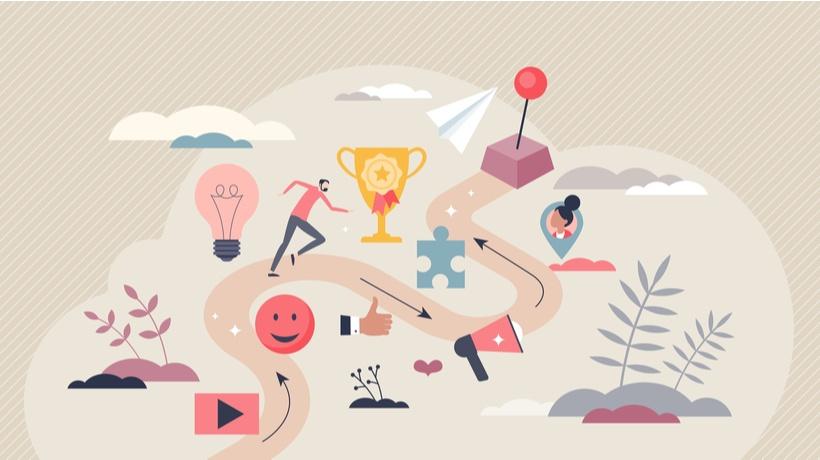
The Future of Educational Gamification: Innovations Shaping Learning in 2024 and Beyond
Educational gamification is no longer just a buzzword—it’s a transformative approach redefining the way individuals engage with learning. As we move into 2024 and beyond, innovative gamification strategies are enhancing student motivation, retention, and overall learning outcomes. In this article, we’ll explore the evolution of educational gamification, spotlight key trends and technologies, detail its top benefits, and offer actionable insights for educators and EdTech professionals. Whether you’re a teacher, administrator, or developer, you’ll discover how the future of educational gamification can unlock the true potential of your learning environments.
Understanding Educational Gamification
Gamification in education involves the integration of game elements—such as points, badges, leaderboards, and challenges—into learning environments to boost engagement and motivation. Unlike pure game-based learning, which uses games as the primary learning platform, gamification enhances conventional or digital curricula with interactive, rewarding features.
- Game Mechanics: Points, levels, challenges
- Rewards Systems: Badges, achievement boards, certifications
- Progress Tracking: visual dashboards showing learner progress
- Social Interaction: Team competitions, collaborative quests
These features tap into intrinsic and extrinsic motivators, transforming passive learning into a dynamic and enjoyable experience.
Key Innovations Shaping Educational Gamification in 2024
Rapid advances in digital technology are fueling a new wave of gamified learning solutions. Here are the top innovations shaping the future of educational gamification:
1. AI-Driven Personalized Learning Paths
Artificial intelligence is helping create adaptive, personalized gamified experiences. AI algorithms track learner progress and dynamically adjust challenges, providing tailored feedback and optimized learning journeys for each individual.
2. Immersive virtual and Augmented Reality (VR/AR)
VR and AR technologies are revolutionizing educational gamification. Learners can now explore interactive 3D simulations,solve puzzles within immersive environments,and participate in virtual field trips—all while earning rewards and achievements.
3. Blockchain-Based Credentialing
Gamified platforms are integrating blockchain to offer verifiable, tamper-proof digital credentials and micro-certifications.These digital badges carry real-world value and can be seamlessly shared on social and professional networks.
4. social and Emotional Learning (SEL) Integration
modern gamified solutions are increasingly embedding SEL components. Games encourage collaboration, empathy, and emotional intelligence through quests and missions, preparing learners for both academic success and holistic personal growth.
5. Advanced Analytics and Adaptive Feedback
Robust analytics engines provide real-time insights into learner engagement, identifying patterns and allowing educators to fine-tune lessons. Automated or AI-generated feedback gives instant, actionable suggestions to both educators and learners.
6. Cross-Platform, Device-Agnostic Learning
In 2024, gamified learning is ubiquitous—accessible via smartphones, tablets, laptops, and VR headsets.This ensures anytime, anywhere learning, and increases accessibility for diverse student populations.
Benefits of Educational Gamification
Game-inspired learning strategies are delivering tangible benefits to students, teachers, and educational institutions alike:
- Increased Motivation: Interactive elements and rewards keep learners engaged and eager to advance.
- Enhanced Retention: Gamified repetition and spaced learning reinforce knowledge, improving long-term recall.
- improved Collaboration: Team challenges teach cooperation, communication, and leadership skills.
- Personalized Learning: Adaptive paths ensure students learn at their own pace and ability level.
- Reduced Learning Anxiety: Low-stakes game environments encourage experimentation and risk-taking.
- Real-World Skill Progress: scenario-based quests mimic workplace situations, fostering critical thinking and problem-solving.
According to recent studies,gamified classrooms see a 30%-50% betterment in student engagement and learning outcomes compared to traditional methods.
Practical Tips for Implementing Gamification in education
Considering adopting gamification in your learning habitat? Here’s how to maximize effectiveness while avoiding common pitfalls:
- Start with Clear Learning Objectives: Define what success looks like before adding gamified features. Your mechanics should reinforce, not distract from, learning goals.
- Choose Age-Appropriate Game Mechanics: Younger learners may respond better to badges and simple rewards,while older students may appreciate complex storytelling and competitive challenges.
- Use Data Insights for Continuous Improvement: Leverage analytics to identify what’s working and adjust your approach accordingly.
- Incorporate Social Elements: Collaborative quests and leaderboards enhance motivation and nurture teamwork skills.
- Avoid Over-Competition: Maintain a balance between competition and collaboration to ensure inclusivity.
tip: Many Learning Management Systems (LMS) like Moodle, Canvas, and WordPress LMS plugins offer ready-made gamification tools, enabling seamless implementation and scalability.
Case Studies: Gamification in Action
Case Study 1: Kahoot! in the Classroom
Kahoot!, a popular game-based learning platform, continues to thrive by offering competitive quizzes and polls.Teachers report higher engagement levels, especially in remote learning scenarios. According to a 2023 survey, over 80% of teachers noticed increased participation after introducing Kahoot!
Case Study 2: Duolingo’s Adaptive Language Learning
Duolingo, the language-learning giant, uses points, daily streaks, and personalized skill trees to keep users motivated.The app’s adaptive AI tailors lessons, and its micro-certification system further incentivizes consistent progress.
Case Study 3: Minecraft Education Edition
Minecraft Education Edition enables students to learn coding, mathematics, history, and more through engaging, exploratory gameplay. Teachers leverage custom lesson modules and collaborative projects to foster critical thinking, creativity, and digital citizenship skills.
First-Hand Experience: What Educators and Learners Say
“Incorporating badges and levels into my online history course has transformed my students from passive participants to active explorers. The kind competition inspired better research and teamwork.”
– Sarah J.,High School Teacher
“Gamified quizzes turned revision into a daily routine instead of a last-minute panic. Competing with friends made studying feels like fun rather than a chore.”
– Adam L., University Student
Challenges and Considerations
Despite its many advantages, educational gamification comes with challenges:
- Equity of Access: Not all students have access to high-speed internet or smart devices. Schools must ensure inclusivity.
- Design Complexity: Poorly designed gamification can distract or demotivate learners. design should be pedagogically sound.
- Data Privacy: With increased gamification comes a need for robust privacy safeguards for student data.
- Assessment Alignment: Ensure gamified metrics align with curriculum standards and learning objectives.
Educators and EdTech developers must proactively address these considerations for truly impactful gamified learning experiences.
Conclusion: Embracing the Gamified Learning Revolution
The future of educational gamification is luminous, dynamic, and brimming with opportunity. As experimentation with AI, VR/AR, and real-time analytics continues to mature, we can expect gamified platforms to become smarter, more accessible, and even more attuned to learner needs. Schools, universities, and workplace educators who embrace these trends will foster more motivated, adaptable, and successful learners.
By prioritizing thoughtful design, personalized experiences, and inclusivity, you can harness the best of game-based learning to prepare today’s students for tomorrow’s challenges. Start exploring gamified techniques today, and be part of the education revolution shaping 2024 and beyond.
Ready to level up your classroom? Discover the best educational gamification tools and tips on our blog!