
The Future of Educational Gamification: Innovations Shaping Next-Gen Learning
Keywords: Educational gamification, next-gen learning, gamified education, innovative learning technologies, adaptive learning, digital education trends
Introduction
Educational gamification is standing at the forefront of a revolution, blending game mechanics with dynamic teaching strategies to create engaging, student-centered learning environments. As technology continues to reshape our classrooms and remote learning spaces, next-gen learning innovates how educators foster motivation, collaboration, and mastery. In this complete guide, we’ll explore how gamified education is evolving, the latest innovations shaping the future, key benefits, and actionable strategies for educators and organizations looking to harness educational gamification for transformative learning.
What Is Educational Gamification?
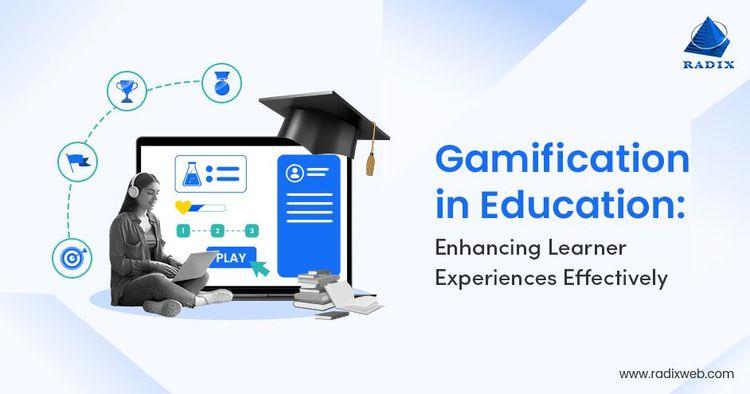
Educational gamification is the use of game-based elements—such as points, badges, leaderboards, and challenges—within learning environments to boost engagement, motivation, and knowledge retention. By incorporating game principles like progression,achievement,and instant feedback,educational gamification transforms traditional lessons into immersive experiences where learners stay motivated and perform better.
Innovations Shaping the Future of Educational Gamification
To truly understand the future of educational gamification, it’s notable to spotlight the innovative technologies and methodologies that are shaping next-gen learning environments. Here are some trends and breakthroughs making waves:
1. Artificial Intelligence & Adaptive learning Platforms
- AI-powered gamified platforms dynamically adjust difficulty and content based on individual learner performance,crafting personalized learning paths.
- Real-time analytics help educators monitor progression, identify roadblocks, and tailor feedback for deeper understanding.
- Examples: Duolingo’s adaptive modules, Socrative’s instant feedback quizzes.
2. Virtual Reality (VR) & Augmented Reality (AR) Experiences
- Immersive environments let students “learn by doing,” from virtual field trips to simulated science experiments.
- Gamified AR apps like quiver and Zspace encourage collaboration and creativity in STEM and other subjects.
3. blockchain Credentials & Gamified Micro-Certifications
- Blockchain-backed badge systems authenticate skills earned through gamified modules, ensuring portable, verifiable credentials.
- Micro-certifications motivate ongoing learning and career development in both K-12 and professional training settings.
4. Social and Collaborative Game-Based Learning
- Leaderboards, team quests, and peer challenges foster co-learning, healthy competition, and interaction skills.
- Gamified social platforms (e.g., Kahoot!, Classcraft) promote peer-to-peer interaction and feedback.
5. Data-Driven Personalization & Learning Analytics
- Game-based learning platforms harness rich datasets to provide actionable insights into student engagement and efficacy.
- Personalized recommendations help learners choose the right modules, challenges, or content to maximize growth.
Key Benefits of Gamified Learning
Incorporating gamification into education isn’t just about fun—it’s a powerful pedagogical tool. Let’s explore some notable advantages:
- Enhanced engagement: Game mechanics make learning more interactive and enjoyable,reducing dropout rates.
- Better Knowledge Retention: active learning methods and game elements help learners retain facts longer.
- Immediate Feedback: Instant scoring and adaptive hints allow students to correct mistakes in real time.
- Goal-Oriented Motivation: Badges, progress bars, and rewards boost learners’ intrinsic and extrinsic motivation.
- Collaboration & Communication: Multiplayer or team challenges nurture social-emotional skills and teamwork.
- Critical Thinking & Problem Solving: Puzzle-based games and scenarios develop higher-order thinking skills.
Case Studies: Educational Gamification in Action
Duolingo: Gamifying Language Learning Worldwide
Duolingo stands as a global standard for gamified education. With streaks, badges, XP points, and leaderboards, learners around the world stay engaged in mastering new languages. It’s adaptive AI-driven lessons and bite-sized challenges personalize language development for all ages.
Classcraft: Transforming K-12 Classrooms
Classcraft gamifies behavior management and academic progress, translating classroom tasks and goals into quests and rewards. Teachers report increased teamwork, more respectful interactions, and higher completion rates as students collaborate to overcome in-game obstacles.
Coursera & Skillshare: Micro-Credentials and Badges
These online education giants integrate blockchain-backed badges and micro-certifications for course completion, motivating learners to track progress, showcase achievements on LinkedIn, and drive lifelong learning.
Practical Tips: How to Implement Gamification in Your Learning Programs
- Start with Goals: Define clear learning outcomes and align game elements to support those objectives.
- Pilot and Iterate: Test gamified modules with small groups, gather feedback, and optimize mechanics for maximum impact.
- Leverage Technology: Use platforms with built-in gamification features (e.g., Kahoot!, Quizizz, or custom LMS plugins for WordPress).
- Personalize Challenges: Offer multiple levels, adaptive quizzes, and choice-based missions tailored to learners’ skills.
- Recognize Achievement: Celebrate milestones with badges,certificates,or public recognition—both online and offline.
- Promote Collaboration: Design multiplayer challenges, team quests, and peer feedback loops for deeper engagement.
- Monitor Analytics: Use platform data to review engagement, completion rates, and learning efficacy; adjust strategies as needed.
First-Hand Outlook: Teacher & Student Feedback
“Integrating gamification into my lessons transformed my classroom. Students were excited to participate, tracked their own progress, and collaborated more than ever before. It’s helped bridge gaps and foster a love for learning.”
— Lindsay M., Middle School Science Teacher
“I love earning badges and leveling up—it makes me want to finish my assignments and learn more. Competing on the leaderboard with my friends makes lessons actually fun!”
— Ryan S., High School Student
The Future Outlook: Trends to Watch in Educational Gamification
- Integration with AI Tutors: Personalized guidance and challenge creation through AI-powered learning assistants.
- AR/VR Accessibility: Expanding immersive,game-like environments to diverse subjects and learners worldwide as devices become more affordable.
- blockchain Badges & E-portfolios: Secure, global access to verified learning achievements and skills.
- Esports & Competitive Learning: Collaborative competitions, tournaments, and hackathons driving subject mastery and soft skills.
- Greater Data Transparency: Learning analytics becoming more user-friendly for teachers, students, and parents to optimize progress.
Conclusion
the ongoing evolution of educational gamification is shaping an exciting future for next-gen learning
Whether you’re an educator seeking to revitalize your teaching methods, a parent curious about best practices, or a learner eager to embrace innovation, the path forward is clear: Game on for the future of learning!