
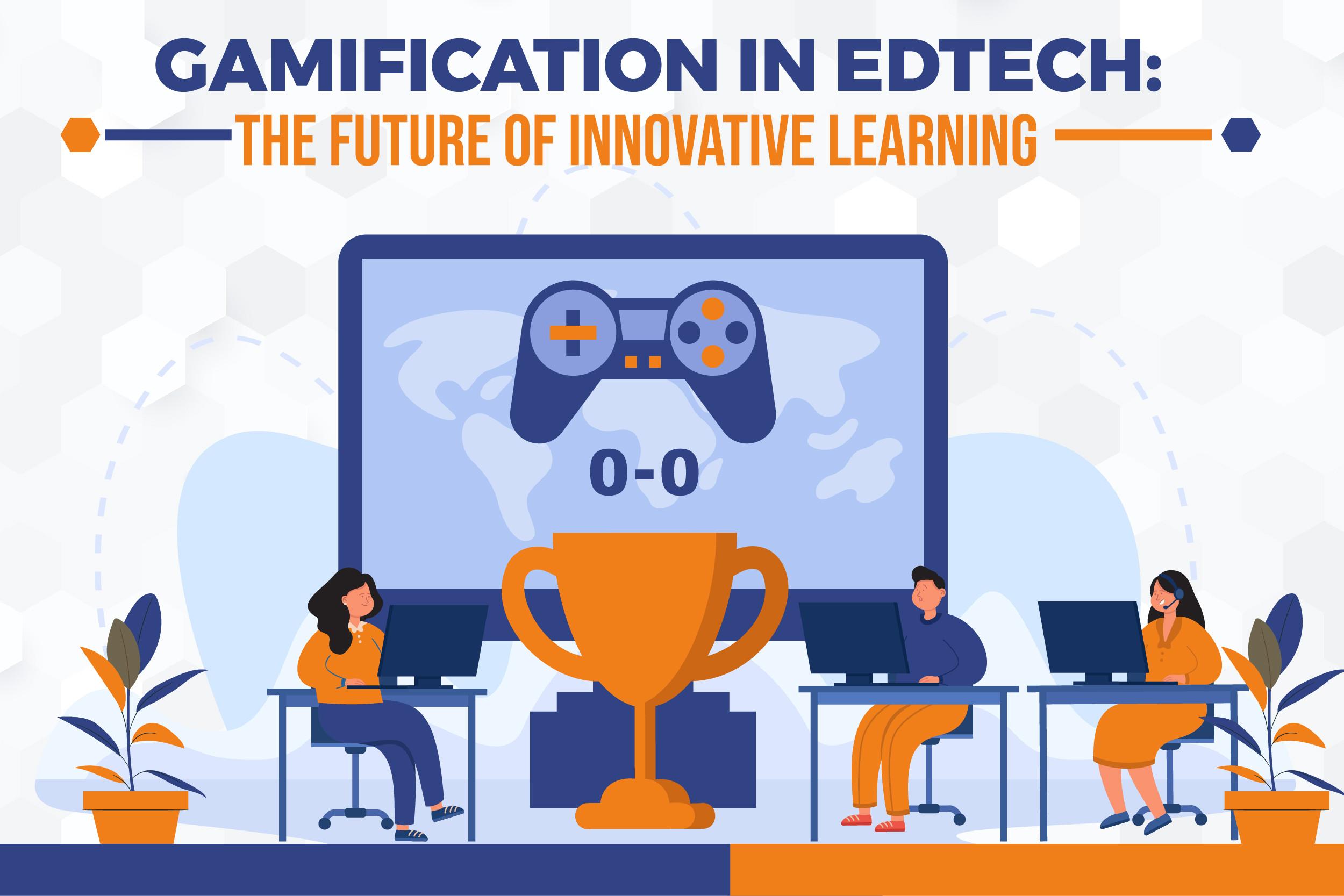
The Future of Educational Gamification: Innovations Transforming Learning in 2024 and Beyond
Educational gamification continues to gain momentum as one of the moast effective strategies for engaging learners in today’s tech-driven world. As we approach 2024 and beyond, significant innovations are reshaping how gamification impacts teaching and learning. this article explores what educational gamification is, recent advancements, case studies, and provides actionable tips for leveraging this powerful tool to enhance educational outcomes.
Introduction: Gamification in Education
Gamification in education refers to the integration of game-design elements into learning environments to boost engagement, motivation, and retention. From leaderboards to quiz apps and immersive virtual worlds, the gamified approach makes learning fun and interactive. In 2024, the future of educational gamification will be defined by adaptive technologies, AI-driven personalization, and seamless integration with customary curricula.
- Key Innovations in Educational Gamification for 2024
- Benefits of Gamification in Learning
- Case Studies: Success Stories of Gamified Learning
- How to Effectively Implement Gamification in Education
- Conclusion: Embracing the Future of Learning
Key Innovations in Educational Gamification for 2024
The landscape of educational gamification is evolving quickly. Below are some transformative trends and innovations expected to shape the future of learning:
1. Artificial Intelligence (AI) and Adaptive Learning
- Personalized Learning Paths: AI-driven platforms now adapt content and challenge levels based on individual student performance and learning style.
- Real-time Feedback: Smart algorithms provide instant feedback, optimizing understanding and retention.
2. Augmented Reality (AR) and Virtual Reality (VR)
- Immersive Learning Experiences: AR/VR technology brings subjects like history and science to life, allowing learners to explore concepts in 3D environments.
- Role-Playing Scenarios: Simulated real-world situations give learners a safe space to practice problem-solving skills.
3. Blockchain and Micro-Credentials
- Secure, Verifiable Badges: Blockchain enables the issuing of tamper-proof certificates and digital badges for completed modules and skills.
- Micro-learning: Bite-sized lessons with micro-credentials allow learners to track progress toward larger goals.
4. Data-Driven Insights
- Analytics Integration: Extensive dashboards provide teachers and learners with actionable insights.
- Predictive Learning: data analytics anticipate challenges, allowing for timely interventions.
5. Social and Collaborative Gamification
- Peer Challenges: social leaderboards and collaborative quests encourage teamwork and amiable competition.
- Community-Building: Group achievements and shared goals foster community spirit and motivation.
Benefits of Gamification in Learning
The advantages of integrating gamification into education are numerous and well-documented. Here are the top benefits of using gamified learning approaches:
- Increased Engagement: Game mechanics such as rewards, points, and levels make learning enjoyable and motivate students to stay involved.
- Enhanced Retention: Interactive tasks help learners retain and recall information more effectively than passive learning methods.
- Immediate Feedback: Instant responses to student actions allow for quicker correction of mistakes.
- Encourages Self-Paced Learning: Gamified modules allow students to progress at their own pace, catering to different abilities.
- Builds Critical Skills: Problem-solving,collaboration,and strategic thinking are fostered through well-designed educational games.
- reduces Anxiety: Game-like settings make high-pressure testing environments more relaxed and approachable.
Case Studies: Success Stories of Gamified Learning
Schools, universities, and corporate training programs worldwide are harnessing the power of gamification. Here are a few inspiring examples:
Duolingo: Language learning Reinvented
- Duolingo’s gamified model, featuring streaks, XP points, and achievement badges, has helped over 500 million users make language learning both addictive and effective.
- AI-driven adaptive lessons ensure continual progression tailored to individual strengths and weaknesses.
Classcraft: RPGs in the Classroom
- Classcraft transforms classrooms into fantasy role-playing games where students collaborate, earn points for good behavior, and experience consequences for missteps in a risk-free surroundings.
- Teachers report higher engagement and improved classroom behavior as implementing the program.
Kahoot!: Interactive Quizzing for All Ages
- Kahoot!’s real-time, game-show-style quizzes make learning lively and interactive.
- With over a billion participants worldwide, it is a staple in both classrooms and remote learning environments.
Educator’s Perspective: Transformative Power of Gamification
“Integrating gamification into my teaching strategy fundamentally changed the way students responded to complex topics. The engagement soared, and students who previously struggled started participating enthusiastically. The real magic lies in personalized feedback and the sense of achievement that game elements provide.” — sarah Lee, Middle School Science Teacher
How to Effectively implement Gamification in Education
if you’re ready to enhance your teaching or training program with gamification, consider these practical steps:
-
Define Clear Objectives:
Align your gamification strategy with desired learning outcomes. Identify the skills or knowlege you want to reinforce.
-
Choose the Right Tools:
Select platforms or apps that integrate well with your existing curriculum—Kahoot!, Quizizz, and classcraft are popular options.
-
Start Simple:
Use basic elements—badges, points, leaderboards—before transitioning into more complex gamified experiences.
-
Foster Healthy Competition and Collaboration:
Balance individual rewards with team-based challenges to encourage both competition and cooperation.
-
Leverage Feedback:
provide immediate, constructive feedback to guide learners in real time.
-
Monitor Progress with Analytics:
Use built-in analytics to assess learner progress, identify trends, and fine-tune your approach.
-
Solicit Student Input:
Engage students in the design process so that the gamified experience is both enjoyable and relevant.
Conclusion: Embracing the Future of Learning
The future of educational gamification in 2024 and beyond is a landscape ripe with innovation, engagement, and transformative opportunities for both students and educators. By harnessing AI, AR/VR, blockchain, and adaptive learning strategies, educational gamification will continue to break barriers and redefine how we approach teaching and training. Embrace these trends to cultivate curiosity, resilience, and lifelong learning among your students—and prepare to be amazed at the results!
Ready to level up your learning experience? Now is the perfect time to experiment with the latest educational gamification tools and revolutionize your educational journey.