
The Future of Educational Gamification: Transforming Learning Through Interactive Technologies
Educational gamification is rapidly reshaping classrooms and online learning environments worldwide. As interactive technologies advance, educators and learners alike are witnessing an exciting conversion in how knowledge is acquired, retained, and applied. In this extensive guide, we’ll explore the future of gamification in education, its profound benefits, practical tips for implementation, real-world case studies, and expert perspectives. Whether you’re an educator, student, or edtech entrepreneur, understanding the emerging trends in educational gamification will empower you to harness its full potential.
What is Educational Gamification?
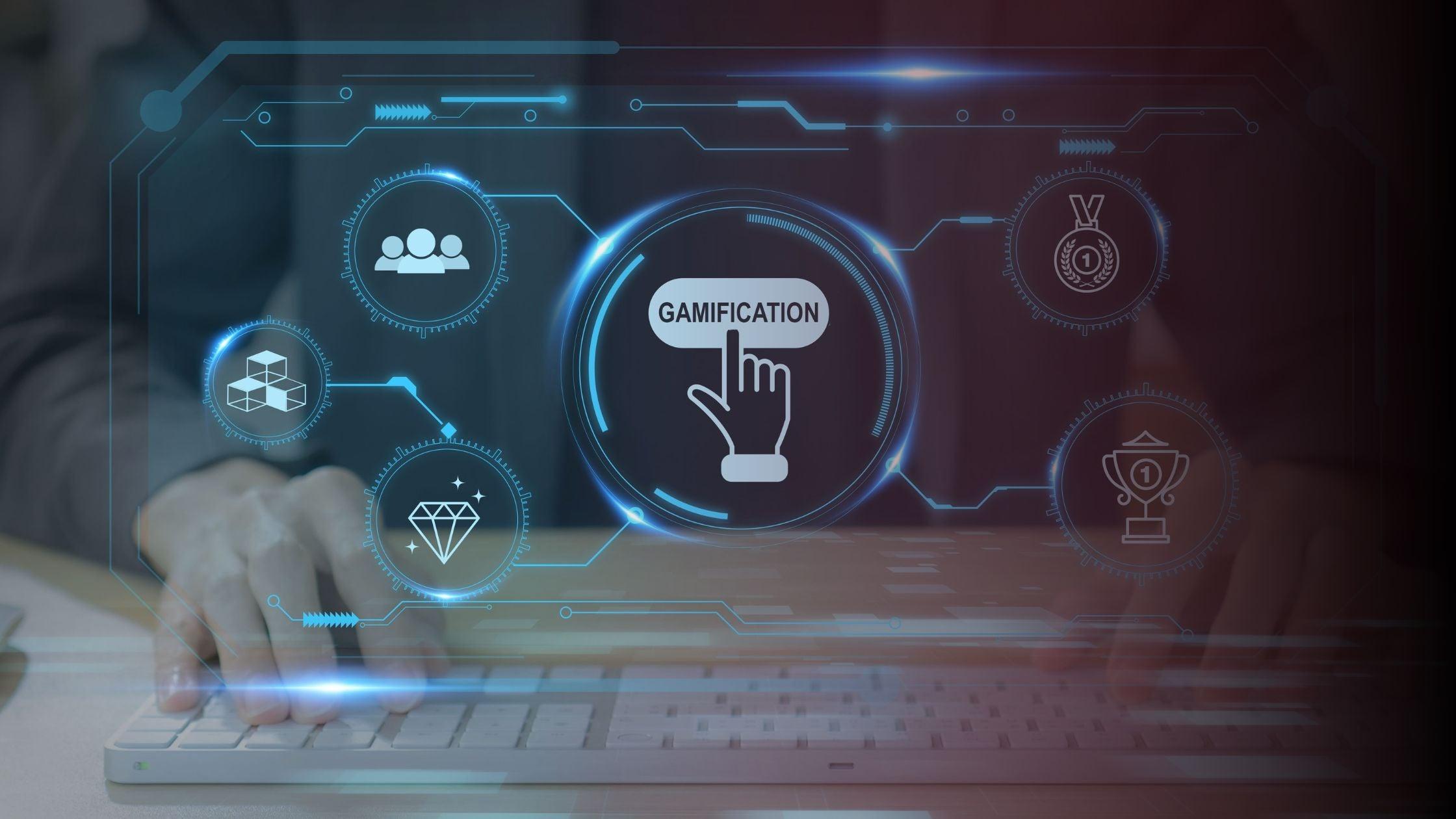
Educational gamification involves the integration of game mechanics — such as points, badges, leaderboards, challenges, and rewards — into learning experiences. The goal is to increase student engagement, motivation, and retention, making learning more enjoyable and effective.
- game-based learning: Uses game design elements within educational content.
- Gamified platforms: Transform traditional lessons into interactive challenges.
- Adaptive learning technologies: Adjust difficulty and feedback based on student performance.
Why Gamification Matters in Modern education
As academic demands evolve, both schools and higher education institutions are seeking innovative ways to promote active learning. Interactive technologies such as virtual reality (VR), augmented reality (AR), and AI-powered platforms are enabling educators to create immersive, personalized learning experiences that go beyond traditional textbooks.
- Increases engagement: Encourages students to participate more actively.
- Boosts motivation: Rewards and instant feedback fuel drive and persistence.
- Promotes collaboration: Team-based missions and multiplayer activities foster dialog skills.
- Accelerates mastery: Frequent practice and adaptive challenges reinforce learning.
- Reduces learning anxiety: Fun environments help students take risks and learn from mistakes.
According to a study by ResearchGate, game-based learning increased student retention rates by up to 90% compared to traditional methods.
Key Interactive Technologies Shaping the Future of Gamification
The intersection of educational gamification and technology is spawning powerful tools that are driving transformation at every level of learning:
1. Virtual Reality (VR) and Augmented Reality (AR)
- Immersive simulations: Science labs, history walkthroughs, and geography exploration in 3D worlds.
- Real-time feedback: Immediate corrective guidance and progress tracking.
2. Artificial intelligence (AI) and Machine Learning
- Personalized learning paths: AI adapts content to suit individual strengths and weaknesses.
- Intelligent tutors: Chatbots and virtual agents answer student queries instantly.
3.Mobile and Cloud-Based Platforms
- remote accessibility: Learning on any device, anywhere, anytime.
- Collaborative tools: Multiplayer games and peer reviews from global classmates.
Benefits of Educational gamification
Integrating gamification into your curriculum can deliver the following tangible advantages:
- Deep engagement: Students are motivated to actively participate and complete learning tasks.
- Increased retention rates: Interactive assignments help cement knowledge for longer periods.
- Improved creativity and problem-solving: Gamified challenges encourage lateral thinking and perseverance.
- Data-driven insights: Teachers can track progress and identify gaps using platform analytics.
Best Practices and Practical Tips for Triumphant Implementation
- Start small: Introduce gamification features gradually to gauge student response.
- Align with learning goals: Ensure that points and rewards support, not distract from, curriculum objectives.
- Use a mix of game elements: Points, badges, timers, and narrative storytelling foster varied engagement.
- Encourage collaboration: Design activities that promote teamwork and knowledge sharing.
- Monitor feedback: Regularly review student progress and adjust difficulty for optimal challenge.
- Choose the right technology: Select platforms that integrate seamlessly with existing systems (e.g., WordPress LMS plugins, Moodle, Google classroom).
- Maintain inclusivity: Ensure activities are accessible to all skill levels and learning styles.
Case Studies: Gamification Success Stories
Duolingo
The popular language-learning app, Duolingo, uses badges, streaks, and level-ups to motivate millions of users. Their gamified approach has dramatically increased user retention and accelerated language acquisition worldwide.
Kahoot!
Kahoot! turns quizzes into competitive,real-time games. By leveraging fun avatars and leaderboards, Kahoot! makes formative assessment engaging in both remote and classroom settings.
Minecraft: Education Edition
Minecraft: Education Edition empowers students to collaborate, solve problems, and design projects in a virtual sandbox. Gamified assignments range from math puzzles to environmental science, enhancing creativity and teamwork.
Expert Insight: First-Hand Experience from Educators
“Gamification has revolutionized my classroom.I’ve seen students who previously struggled with motivation become active collaborators. Interactive technologies enable me to personalize lessons for each learner, resulting in measurable growth.”
— Sarah Lee, Middle School Science Teacher
“By integrating game challenges into my remote mathematics classes, students look forward to every lesson and genuinely enjoy tackling tough problems together.”
— David Martinez, Online Educator
Potential Challenges and How to Overcome Them
- Over-gamification: To many rewards can distract from actual learning. Balance competition with cooperation and reflection.
- Access disparity: not all students have reliable devices or internet. Prioritize equitable access strategies.
- Learning curve: Educators may need support and training to optimally implement new technologies. Utilize professional development resources.
- Data privacy: Protect student data on gamified platforms by choosing reputable,compliant solutions.
The Role of Gamification in Lifelong Learning
Beyond K-12 and higher education, gamification fuels lifelong learning and corporate training. Adults now use interactive apps for skill upgrades, certifications, and workplace onboarding.The continued evolution of educational gamification makes learning accessible and enjoyable at any age.
- Microlearning modules: Short, game-like lessons for busy professionals.
- Mobile learning: Training on the go, compatible with smartphones and tablets.
- performance analytics: Real-time data helps employers customize and improve training programs.
Conclusion: Empowering Education through Gamification
The future of educational gamification is bright and transformative. by merging interactive technologies with proven pedagogical strategies,educators and learners can experience higher engagement,deeper understanding,and lasting motivation. As VR, AR, and AI innovations become mainstream, educational gamification will continue to break down barriers, personalize learning, and prepare students for a dynamic global workforce.
Ready to elevate your educational strategy? integrate gamification thoughtfully, keep learning goals in focus, and embrace the evolving world of interactive learning technologies. The result is a generation of empowered, keen, and adaptable lifelong learners.