
The Future of Educational Gamification: Trends, Benefits, and What to Expect next
The digital revolution is reshaping classrooms and learning environments all over the world.At the heart of this conversion is educational gamification—the strategic use of game elements in non-game contexts to motivate and enhance the learning process. But what exactly does the future hold for gamified education? Let’s delve into the latest trends, discover the undeniable benefits, and explore what lies ahead for students, teachers, and educational institutions.
What is Educational Gamification?
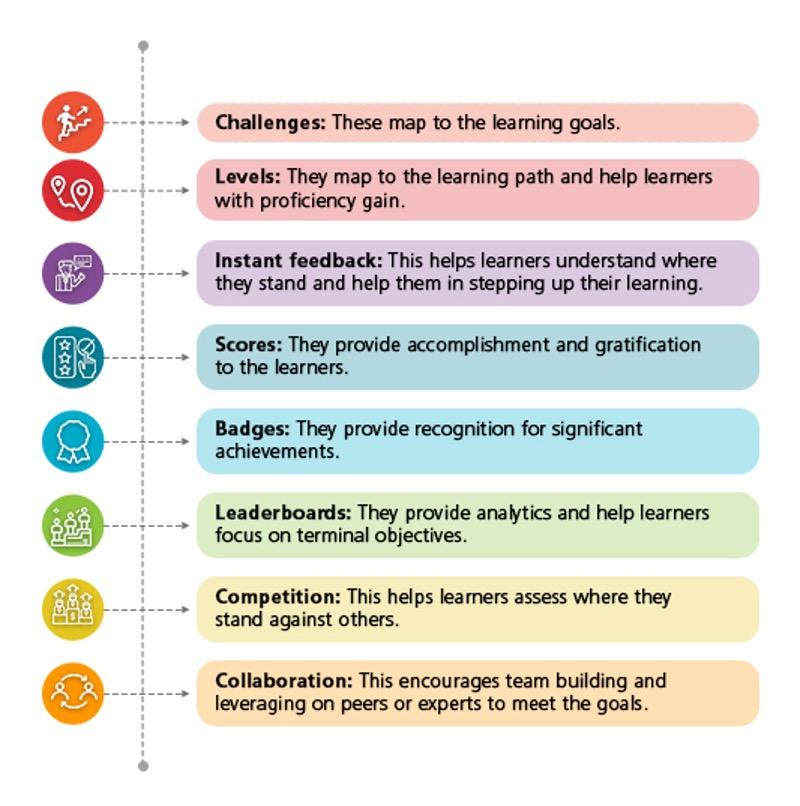
Educational gamification combines conventional teaching methods with game-based mechanics such as points, badges, leaderboards, and narrative storytelling. Unlike pure game-based learning, which uses fully developed games for instruction, gamification in education integrates these playful features into curriculum activities to drive engagement, motivation, and productivity.
Why is Gamification Becoming Popular?
- It speaks the language of digital-native students.
- It creates an emotionally engaging and interactive learning habitat.
- It enhances student motivation and facilitates personalized learning paths.
Current Trends in Educational Gamification
As technology advances, so do the techniques and approaches educators use to gamify learning. Here are some of the most significant edtech gamification trends we’re witnessing today:
1. Adaptive Learning Environments
Modern gamified platforms leverage artificial intelligence (AI) and machine learning algorithms to provide personalized learning experiences. By analyzing student performance data, these systems adjust difficulty levels, suggest resources, and present challenges tailored to each learner’s needs.
2. Integration with Virtual and Augmented Reality
Virtual reality (VR) and augmented reality (AR) are being integrated into classroom activities to create immersive, hands-on educational experiences. Imagine history lessons where students “walk” through ancient cities or science classes where AR apps bring chemical reactions to life—all enhanced through gamified missions and rewards.
3. Social and Collaborative Gamification
Learning is increasingly collaborative. Modern gamification tools foster team-based challenges, group competitions, and peer-to-peer learning with real-time feedback and rewards, encouraging social interaction and cooperation.
4. Microlearning and Mobile Gamification
Short, focused learning activities—often designed as swift games or challenges—are optimized for smartphones and tablets. With the rise of mobile access, these bite-sized gamified modules fit seamlessly into busy schedules and on-the-go lifestyles.
5. Data-Driven Feedback Analytics
Advanced learning platforms use real-time analytics to deliver instant feedback, progress tracking, and actionable insights for both students and educators. This continuous loop of feedback is a core driver for advancement and motivation.
Key Benefits of Educational Gamification
The implementation of gamification in education brings an array of compelling advantages for students, teachers, and institutions alike:
- Increases Student Engagement: Interactive challenges and competitive elements make learning exciting and fun, keeping students motivated and attentive.
- Encourages Active Participation: Gamified environments shift learners from passive recipients to active participants, improving retention and comprehension.
- supports Diverse Learning Styles: Visual, auditory, and kinesthetic learners all benefit from varied game mechanics and multimedia content.
- Fosters Healthy Competition and Collaboration: Leaderboards, group quests, and shared goals build community and camaraderie.
- Provides Immediate Feedback: Real-time scoring and badges let students see their progress instantly, so they know what to work on and celebrate their achievements.
- Enhances Problem-Solving Skills: Gamified activities often involve puzzles and quests that require critical thinking, creativity, and adaptability.
- Boosts Motivation for Mastery: Clearly defined goals, progress bars, and reward systems create a sense of accomplishment and drive progression.
Practical Tips for prosperous Gamification in Education
If you’re considering implementing gamification strategies, here are some actionable tips to maximize impact:
- Define Clear Learning Objectives: ensure that all gamified elements align with the curriculum and intended learning outcomes.
- Balance Fun with Function: Game elements should supplement, not distract from, the core content.
- Use a Mix of Individual and Group Activities: Cater to varied personalities by offering both solo quests and collaborative challenges.
- Implement Fair and Meaningful Rewards: Recognize effort, improvement, and mastery—not just high scores—to encourage all learners.
- Encourage Reflection and Feedback: Allow students to reflect on their learning journey and adapt activities based on their feedback.
- Start Small and Scale: Launch with a pilot project or a single lesson before expanding to larger modules or full courses.
Real-World Case Studies
Classcraft: Transforming Middle School Classrooms
The award-winning platform Classcraft gamifies classroom management and learning by turning lessons into adventures where students create characters, complete quests, and earn powers. Schools that have adopted Classcraft reported:
- Improved classroom engagement and attendance
- Higher homework completion rates
- Better collaboration among students
Duolingo: Gamified Language Learning for All Ages
Duolingo is a leading example of gamified educational technology. With levels, achievements, streaks, and leaderboards, it makes language learning engaging for millions. Studies have shown that Duolingo’s approach improves long-term retention compared to more traditional methods.
First-Hand Experience: Teacher and Student Perspectives
Educators implementing gamified curriculums often notice:
“students who rarely participated started stepping up when points and badges were on the line. Gamification helped make learning a group effort and gave every student a chance to shine.” — Ms. Sandra Lee, Grade 7 Teacher
Likewise, students respond positively to the sense of control and achievement:
“I love seeing my progress and competing with my friends—it actually makes me want to study!” — Carlos, High School Student
What to Expect Next: The Future of Educational Gamification
The future of gamification in education looks radiant, with several directions poised to redefine digital learning:
- Widespread Adoption of Immersive Technologies: As VR and AR hardware becomes more affordable, immersive gamified lessons will become standard practice in schools and universities.
- Increased Use of Data and AI: AI-driven learning platforms will continuously adjust experiences, improving personalization and outcomes.
- Expansion into Corporate and Lifelong Learning: Not just for kids—adult learners, professionals, and organizations are leveraging gamification to upgrade skills and boost workplace engagement.
- Stronger Focus on Well-Being and Emotional Skills: Beyond academics, future gamified platforms will emphasize social-emotional learning, resilience, and mindfulness.
- Global accessibility: Mobile-first gamified platforms are democratizing education, making high-quality resources available worldwide.
Conclusion
Educational gamification is more than a fleeting trend—it’s a powerful strategy that makes learning more engaging, personalized, and effective. As we look to the future, expect even more innovative techniques to emerge, powered by technology and inspired by a deeper understanding of how people learn best. By embracing gamification, educators and learners alike can unlock new levels of motivation, performance, and academic success. Whether you’re a teacher, student, or lifelong learner, ther’s never been a more exciting time to embark on a game-inspired educational journey.
Ready to gamify your classroom or personal learning journey? Explore new gamification tools and share your experiences in the comments below!