
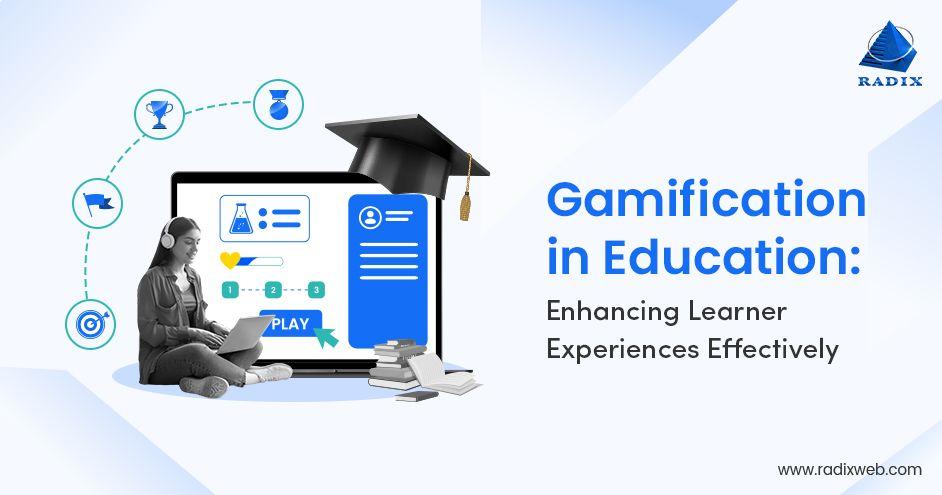
The Future of Educational Gamification: Trends Revolutionizing Learning
Educational gamification is transforming the way students,teachers,and even professionals approach learning.By blending elements of game design—such as scoring systems, competition, and immersive storytelling—into educational activities, gamified learning environments are proving more engaging, effective, and enjoyable. With rapid advancements in technology, the future of educational gamification is brighter than ever. This article dives deep into the latest educational gamification trends, practical tips for implementation, real-life case studies, and how these innovations are revolutionizing classrooms and online learning platforms globally.
what is educational Gamification?
educational gamification refers to applying game mechanics and game-based thinking to non-game educational contexts. It leverages challenges, points, badges, leaderboards, and feedback loops to motivate learners and foster a sense of achievement. Unlike traditional game-based learning, which uses actual games as the core instructional tool, gamification integrates these elements into existing curriculum and teaching strategies.
Key Trends Shaping the Future of Educational Gamification
The world of gamified education is evolving dynamically. Here are some game-changing trends that are shaping the future of how we learn and teach:
- Personalized Learning Experiences – Adaptive systems use artificial intelligence (AI) to tailor game challenges, content, and feedback to each student’s pace and skill level.
- Mixed Reality (AR & VR) – Augmented and virtual reality are bringing interactive simulations, 3D exploration, and hands-on challenges right into the classroom or student’s home.
- Microlearning Modules – Short, gamified lessons fit into busy schedules and boost retention, especially with mobile integration.
- Social and Collaborative Features – Multiplayer modes, team challenges, and virtual leaderboards encourage collaboration and healthy competition among peers.
- Real-Time data and Analytics – Teachers can instantly track progress, identify gaps, and personalize interventions using detailed dashboards and in-game metrics.
- Game-Based Assessment tools – Gamified quizzes and interactive problem-solving activities assess knowledge more holistically and reduce test anxiety.
Benefits of Gamification in Education
Top Benefits of Integrating Gamification into Learning
- Increased Engagement: Game mechanics naturally attract and retain students’ attention, making lessons enjoyable and memorable.
- Boosted Motivation: Achievement badges, level-ups, and rewards incentivize continuous participation and effort.
- Improved Knowledge Retention: Repetition and interactive challenges reinforce learning for long-term memory retention.
- Personalized Pacing: Adaptive systems allow learners to progress at their own pace, reducing frustration and boredom.
- Positive Reinforcement: Immediate feedback provides recognition for accomplishments and guides improvement.
- Accessibility: Gamified platforms, especially on mobile, make high-quality education available anytime and anywhere.
Emerging Technologies powering Gamified Learning
The acceleration of digital conversion is taking gamified learning to unprecedented heights. Here’s how emerging technologies are redefining educational gamification:
- Artificial Intelligence: AI powers adaptive learning paths, personalized rewards, and dynamic content recommendations based on real-time performance metrics.
- Augmented and Virtual Reality: AR overlays digital details on the real world, while VR immerses learners in fully simulated environments, making abstract concepts tangible.
- Mobile EdTech: Mobile-first gamified apps provide on-the-go learning, mini-games, and classroom engagement tools.
- Blockchain: Clear, immutable records of achievement, credentials, and micro-certifications can be securely issued and verified via gamified ed-tech platforms.
- Data Analytics: Detailed learning analytics inform personalized interventions, instructional adjustments, and targeted feedback mechanisms.
Case Studies: Educational Gamification in Action
Classcraft: Enhancing Classroom Collaboration Worldwide
Classcraft is a gamification platform adopted by schools in over 75 countries. By turning the classroom into a role-playing adventure where students earn points for positive behaviors and teamwork, Classcraft has been credited with increased student engagement, improved classroom behaviour, and enhanced collaboration skills. Teachers report a noticeable drop in disciplinary issues and a rise in student participation.
Duolingo: Revolutionizing Language Learning
Duolingo is one of the moast prominent examples of gamification in online learning. Learners progress through levels, earn crowns and achievements, and compete with friends on leaderboards. Duolingo uses streaks and reminders to keep users coming back daily—proving the long-term power of gamification for language acquisition.
Kahoot!: Transforming Formative Assessment
With over 1 billion cumulative players, Kahoot! has made formative assessment fun, fast, and interactive. Teachers create live, game-like quizzes that students respond to via smartphones or computers, fostering real-time engagement and instant feedback in classrooms and remote learning sessions alike.
Tips for Successfully Integrating gamification into Your Classroom or eLearning Programme
- Align Game Mechanics with Learning Objectives – Ensure that points, badges, and rewards reinforce the skills and knowledge you want students to master.
- Keep It Balanced – Combine competition with collaboration to cater to different personalities and learning preferences.
- Use Real-World Scenarios – Design challenges and stories that connect classroom content to real-life applications.
- emphasize feedback – Provide timely, constructive feedback so learners understand their progress and areas for growth.
- Iterate and Innovate – Regularly update your gamification strategies based on student feedback and engagement analytics.
- Ensure Accessibility – Choose tools and platforms that cater to students with diverse backgrounds and abilities.
Challenges and Ethical Considerations
While the future of educational gamification is promising, some challenges and ethical considerations remain:
- Overemphasis on Rewards – Relying too heavily on external motivators (like points or badges) can undermine intrinsic motivation in the long term.
- Equity and Access – Students with limited access to technology might potentially be disadvantaged if gamification requires advanced devices or high-speed internet.
- Privacy Issues – Collecting usage and performance data must be balanced with student data protection and privacy rights.
- Ensuring Educational Value – Not all gamified solutions are equally effective; gamification should always support meaningful educational outcomes, not just entertainment.
First-Hand Experience: Teacher Viewpoint on Gamified Classrooms
Recent surveys among teachers who have adopted gamified learning report overwhelmingly positive results:
- 85% noted a meaningful boost in student engagement and active participation.
- 75% observed improved test scores and topic mastery compared to traditional methods.
- Many teachers say that students, especially those who previously struggled with motivation, thrive in a gamified classroom.
One middle-school science teacher shared: “By integrating platforms like Kahoot! and Minecraft: Education Edition, my students look forward to lessons like never before. Even those who resisted group work became eager team players, unlocking new levels and collaborating to solve complex problems.”
Conclusion: The Luminous Road Ahead for Educational Gamification
As we look ahead, it’s clear that educational gamification will continue to influence the evolution of classrooms, online learning, and workplace training worldwide. With advances in AI, immersive technology, and data-driven personalization, the future of gamified education promises to deliver deeper engagement, better learning outcomes, and more equitable access to high-quality education. To make the most of these trends, educators and institutions must thoughtfully integrate gamification with curriculum goals, foster inclusivity, and keep learner motivation at the core.
The classroom of tomorrow is interactive, adaptive, and above all—fun, thanks to the revolutionizing impact of gamification in education.