
The Future of Educational Gamification: Trends Shaping tomorrow’s Classrooms
As digital technology transforms the landscape of modern education, educational gamification is emerging as a powerful force shaping the way students learn, engage, and succeed. By integrating playful elements and game mechanics into classroom activities, teachers are unlocking new opportunities for motivation, collaboration, and deep learning. But what does the future of educational gamification look like? in this extensive guide, we’ll explore the latest trends, key benefits, and best practices that will define tomorrow’s classrooms.
the Evolution of Educational Gamification
Gamification has evolved far beyond simple quizzes and point systems. Today, it’s a dynamic blend of interactive technology, behavioral science, and pedagogical theory. As educational tools and attitudes shift, classrooms worldwide are embracing gamified learning in new and exciting ways.
- From passive to active learning: Gamification encourages student participation and hands-on experience over traditional rote memorization.
- Technology integration: Tools like VR/AR, mobile apps, and AI-powered platforms are redefining the boundaries of engagement and access.
- Personalization: Adaptive learning environments tailor challenges and rewards to each student’s skills and interests.
Key Trends in Educational Gamification
The future of educational gamification is fueled by innovative trends. Here’s what educators, parents, and thought leaders are watching closely:
1. Artificial Intelligence and Personalized Learning Paths
AI-driven platforms can analyze student data to create personalized gamified experiences,ensuring every learner moves at their own pace. Example features include:
- Adaptive challenges: Automatic adjustment of difficulty based on performance.
- Individual feedback: Real-time insights and encouragement that guide each student.
- Custom reward systems: Virtual badges, points, and unlockable content tailored to specific learning goals.
2. Integration of Virtual and Augmented Reality
The fusion of VR and AR in classroom gamification delivers immersive,interactive experiences that make complex concepts tangible and memorable.
- Virtual field trips: Explore past events, global ecosystems, or outer space without leaving the classroom.
- AR object manipulation: Interact with 3D models in science or engineering lessons for hands-on learning.
3. Social and Collaborative Gamification
Tomorrow’s classrooms emphasize peer-to-peer learning and teamwork.Gamified elements can support collaboration through:
- Team-based quests: Small groups solving challenges or competing in live leaderboards, fostering communication and critical thinking.
- Class-wide achievements: Unlocking rewards when everyone meets a collective goal.
4. Microlearning through Gamified Modules
Short, focused lessons delivered as gamified activities boost knowledge retention and accommodate today’s fast-paced lifestyles. Benefits include:
- Bite-sized content: Easily digestible lessons that reduce overwhelm.
- Immediate feedback: Instant responses reinforce learning and keep engagement high.
5. Data-Driven Insights and Progress Tracking
With advanced analytics, educators can monitor student progress with pinpoint accuracy. Modern gamified platforms provide:
- personal dashboards: Visual representation of growth, scores, and completed modules.
- Insights for teachers: Identify strengths, weaknesses, and tailor instruction accordingly.
Benefits of Gamification in Education
When effectively implemented, gamification in education can unlock numerous advantages:
- Increased engagement: Interactive elements hold students’ attention and reduce boredom.
- Enhanced motivation: Competitive elements, badges, and rewards inspire students to strive for excellence.
- Targeted skill progress: Customizable tasks can focus on key competencies such as problem-solving or collaboration.
- Instant feedback: Students learn from mistakes right away, accelerating mastery.
- Inclusive environment: Gamification can support diverse learning styles and provide equal opportunities for success.
Case Study: Gamification in Action
At a forward-thinking elementary school in Finland, teachers integrated a gamified math platform that adapts to individual learners. Over two semesters,students who used the platform scored 15% higher in standardized tests and reported greater enjoyment and confidence in math—a testament to the potential of educational gamification.
Practical Tips for Implementing Gamification in the Classroom
Successful gamification requires thoughtful strategy and a deep understanding of both technology and pedagogy. Consider these tips for effective integration:
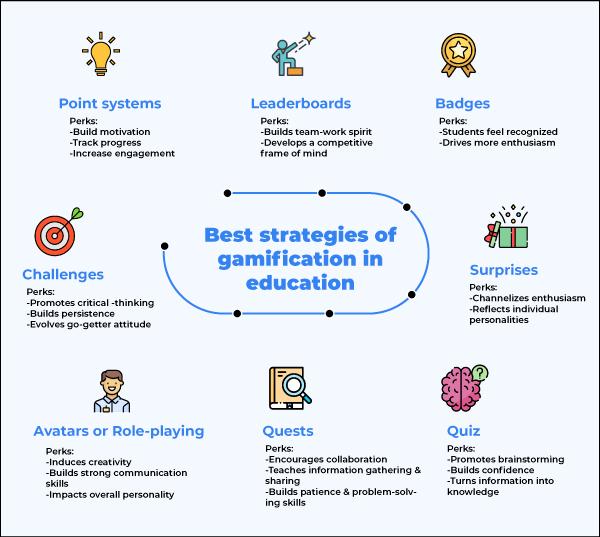
- Start small: Introduce simple game elements, such as quizzes or leaderboards, and gradually expand as students become comfortable.
- Align with learning objectives: Ensure all gamified activities reinforce core curriculum goals.
- Encourage reflection: Leave time for students to discuss what they’ve learned from gamified tasks.
- Promote healthy competition: Focus on self-advancement rather than only comparing students.
- Leverage technology: Use reputable educational platforms or apps with proven results and positive user feedback.
- Gather feedback: Regularly ask students about their experiences to adapt gamification strategies for better outcomes.
First-Hand Teacher Insight
“As a middle school science teacher, gamifying my lessons has transformed classroom dynamics.Using interactive simulations and digital badges, reluctant learners became active participants, and collaboration improved dramatically. The key was continuous adjustment based on student feedback and celebrating all types of progress,” shares Mrs. Tara Blake, Austin, TX.
Potential Challenges and Considerations
while the future of educational gamification is bright, educators should be mindful of possible pitfalls:
- Resource requirements: Not all schools have equal access to technology and funding.
- Screen time balance: Excessive use of digital devices can impact student well-being; incorporate offline, movement-based games when possible.
- Diverse motivations: Gamified approaches won’t resonate with every learner.Differentiate and provide multiple pathways to success.
- Data privacy: Ensure all student data is protected by robust digital security measures.
The Road Ahead: Shaping the Future of Education
Educational gamification will continue to evolve as technology matures and educators learn more about what motivates students. Expect future classrooms to blend real and virtual learning experiences,use AI for unprecedented personalization,and empower teachers as designers of transformative learning games.
By keeping student well-being at the center and thoughtfully leveraging digital tools, schools can prepare students for an innovative future—one where learning is as fun and engaging as the best games.
Conclusion
The future of educational gamification is both exciting and promising. As classrooms embrace emerging technologies and game-inspired strategies, students can look forward to richer, more personalized, and deeply motivating educational journeys. Whether you’re a teacher, school leader, or parent, staying informed about these trends ensures you’ll help shape the future of learning—making it playful, purposeful, and powerful for generations to come.
Interested in more insights on educational innovation? Subscribe to our newsletter for the latest updates on gamification,EdTech,and learning strategies!