
The Future of educational Gamification: Trends Shaping Tomorrow’s Learning
Introduction
In a rapidly evolving digital age, educational gamification stands at the forefront of innovation in classrooms, corporate training rooms, and online learning platforms. By merging the principles of game design with educational content, gamification transforms customary learning experiences into immersive, engaging, and highly motivating journeys for learners of all ages.As we look toward the future, several emerging trends are set to redefine how we learn, teach, and succeed. In this comprehensive guide, we explore the latest advancements and forecast the next big shifts in the future of educational gamification.
What is Educational Gamification?
Gamification in education refers to the request of game elements—such as points, badges, leaderboards, challenges, and rewards—into educational activities. This approach boosts learner motivation,encourages active participation,and fosters a sense of accomplishment. from primary education to employee onboarding, the core goal is to make learning not only effective but genuinely enjoyable.
Benefits of Gamification in Education
- Boosts Engagement: Students are more likely to participate when learning is interactive and fun.
- Encourages Collaboration: Multiplayer games and team-based challenges foster communication and teamwork.
- Provides Immediate Feedback: Instant rewards and corrections help learners adjust their strategies for better results.
- Fosters Healthy Competition: Leaderboards and progress charts inspire learners to excel without fear of failure.
- Improves Knowledge Retention: The use of stories, rewards, and challenges stimulates memory and long-term recall.
Top Trends Shaping the Future of Educational gamification
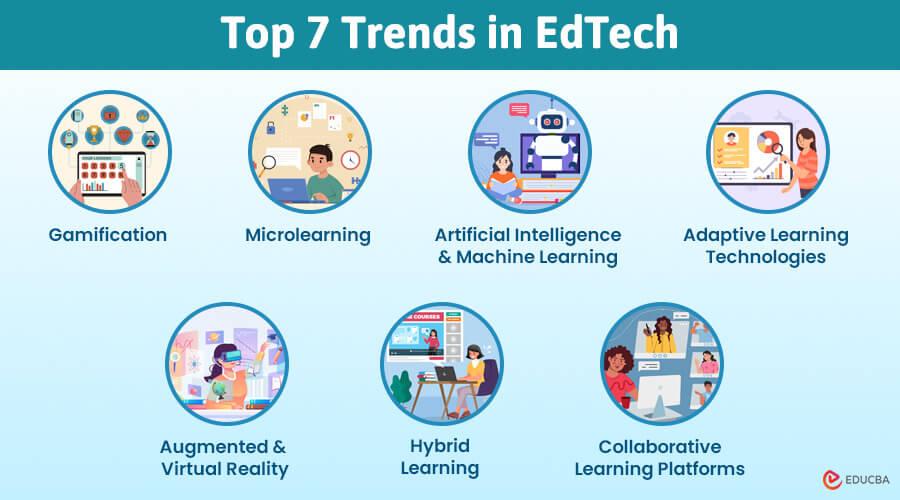
Stay ahead of the curve and prepare for the changes that will define tomorrow’s learning experiences. Here are the key trends shaping the future of gamified education:
1. Personalized Learning Paths
adaptive algorithms and artificial intelligence are enabling highly customized learning journeys. Platforms now leverage data to create personalized challenges and content tailored to a learner’s skill level, interests, and goals. This trend ensures that no student feels left behind or unchallenged.
2. Integration of AR, VR, and XR
The use of augmented Reality (AR) and Virtual Reality (VR) in educational gamification is on the rise. Immersive XR technologies allow students to explore ancient civilizations, conduct virtual science experiments, and even collaborate with international peers—all within a game-like surroundings.
3. Microlearning and Just-In-Time training
Breaking down learning into bite-sized, gamified modules increases retention and engagement. Microlearning is perfect for mobile learning environments and helps learners absorb information quickly and effectively, especially in corporate training settings.
4. Social and Collaborative Learning
Gamification is extending beyond solo experiences.Social elements such as group missions, collaborative puzzles, and shared achievements foster a sense of community, making learning a more connected experience.
5.Data-Driven Insights and Analytics
gamified platforms now track learner progress, highlighting strengths and areas for improvement. Learning analytics empower educators to refine their strategies and provide more targeted intervention where needed.
6. emotional Engagement and storytelling
Emotional resonance is at the heart of effective learning. By embedding compelling narratives and character-driven quests into educational content, gamification can make lessons unforgettable and highly impactful.
7. gamification in Assessment and Feedback
As assessment methods evolve, gamified quizzes, simulations, and interactive exams are replacing traditional tests, offering learners instant and meaningful feedback.
Real-World Case Studies: Educational Gamification in Action
- Classcraft: This platform turns classroom management and curriculum delivery into an RPG experience, resulting in increased student engagement and improved behavior.
- DuoLingo: By incorporating streaks, XP points, and daily missions, this language learning app keeps millions motivated to practice new languages.
- Kahoot!: Gamified quizzes spark competition among students (and even adults), making test review and formative assessment lively and enjoyable.
First-hand experience: Educators and Learners Speak
“As introducing game-based learning modules in my high school biology class, participation rates have soared, and students are much more excited about tackling difficult topics together.” — Sarah Elman, High School Teacher
“Earning badges in my company’s training program made me wont to push further, and the instant feedback kept me motivated.” — Jason Liu, Corporate Trainee
Practical Tips: Implementing Gamification in Your learning Environment
- Start Small: Introduce easy-to-implement elements like points or badges before scaling up.
- Align Game Mechanics with Learning goals: Ensure that each challenge, quest, or reward ties back to clear educational objectives.
- Promote Collaboration: Encourage teamwork thru group missions, discussion forums, and cooperative games.
- Utilize Data: Monitor learners’ progress and fine-tune activities to address their individual needs.
- Foster Intrinsic Motivation: Move beyond extrinsic rewards by incorporating storytelling and meaningful,relevant quests.
- Gather Feedback: Continuously collect input from learners to refine and improve your gamified content.
Challenges and Considerations for the Future
While gamification in education holds fantastic promise, its implementation requires thoughtful planning:
- Equity in Access: Not all students have access to the latest technology. Ensure inclusivity by providing choice ways to participate.
- Balance between Play and Learning: Avoid overemphasizing competition or extrinsic rewards at the expense of true knowledge acquisition.
- Privacy and Data Security: Guard learner information carefully, especially when using analytics and cloud-based solutions.
- Teacher Training: Educators should receive adequate professional development to leverage gamification effectively.
Conclusion: A Playful Path Forward
The future of educational gamification is bright, brimming with possibilities that go far beyond simple points and badges. As technology continues to advance, gamified learning environments will become more immersive, personalized, and impactful. The trends we see today—personalized learning,immersive technologies,social collaboration,and data-driven insights—are paving the way for a more engaging,effective,and accessible educational future.
For educators, instructional designers, and institutions ready to embrace these trends, the rewards are significant: improved engagement, higher retention, and a more joyful learning experience.By thoughtfully integrating gamification strategies, we can prepare learners for a world where playing and learning walk hand-in-hand towards lifelong success.