
The Future of Microlearning in Education: Emerging Trends and Impact on Modern Classrooms
Education is in the midst of a digital conversion, and microlearning is leading the way. As students crave more interactive, flexible, and personalized learning experiences, microlearning is emerging as a key strategy in modern classrooms. This article explores the future of microlearning, its benefits, upcoming trends, practical applications, and how it’s revolutionizing the educational landscape.
What is Microlearning?
Microlearning refers to delivering content in small, focused segments that are easy to consume and understand. Unlike traditional long-form lectures or courses, microlearning uses bite-sized modules, typically lasting only a few minutes.These pieces can take various formats such as videos, quizzes, infographics, or interactive games, offering learners flexibility and instant access to information.
- Short, targeted learning activities
- Mobile-friendly and accessible anytime, anywhere
- Highly engaging and interactive
- Personalized to individual learning needs
emerging Trends Shaping the Future of Microlearning
As technology advances, so does the implementation of microlearning in education. here are some emerging trends driving its evolution:
1. Mobile-First Learning Experiences
With smartphones and tablets now ubiquitous among students, mobile-first design is a driving force behind microlearning. Educational apps and learning platforms now prioritize short, mobile-friendly activities that can be completed on the go.
2. Artificial Intelligence and Personalization
Thanks to AI-powered adaptive learning, microlearning modules can tailor content based on students’ strengths, weaknesses, and learning pace. This ensures every learner receives a personalized experience,boosting engagement and retention.
3. Gamification Elements
Gamification—incorporating rewards, points, leaderboards, and challenges—has become a staple in microlearning platforms. These elements foster motivation, competition, and enjoyment, making learning both fun and effective.
4.Virtual Reality (VR) and Augmented Reality (AR)
Immersive technologies like VR and AR are making microlearning more dynamic. Students can participate in virtual simulations or augmented exercises, bringing abstract concepts to life.
5. Micro-Assessments and Instant Feedback
Frequent, short assessments embedded in microlearning modules allow learners and educators to monitor progress instantly and address knowledge gaps in real time.
6. Social and Collaborative Learning
Many modern classrooms are using microlearning to promote social and peer-to-peer education, integrating chat, forums, and group projects within microlearning sessions.
Benefits of Microlearning in Modern Classrooms
The adoption of microlearning strategies brings a host of advantages to both teachers and students:
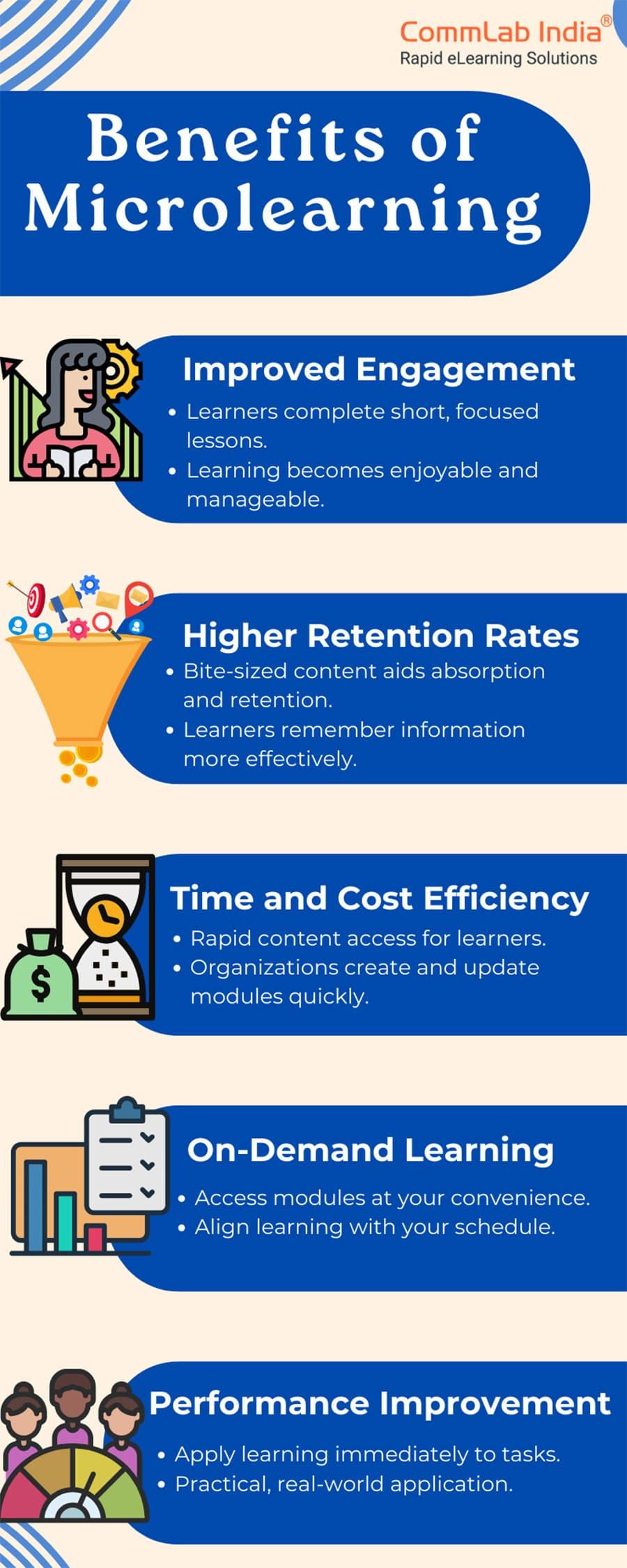
- Improved Retention: Short, focused lessons are easier to remember and apply, reducing cognitive overload.
- Flexibility: Students can access bite-sized modules anytime, supporting different schedules and learning preferences.
- Higher engagement: Interactive content keeps learners active and motivated.
- Scalability: Teachers can easily update and distribute learning materials across large groups with minimal effort.
- Cost-Effectiveness: Microlearning relies on digital platforms, reducing the need for costly textbooks and physical materials.
- Self-Paced Learning: Students progress at their own pace, wich is particularly beneficial for diverse classrooms and inclusive education.
Microlearning in Action: Real-World examples
Microlearning isn’t just a trend—it’s producing tangible results around the world. Here are a few case studies:
- K-12 Classrooms: Many schools use platforms like Kahoot! or Quizlet to supplement lessons. Short quizzes and flashcards help reinforce vocabulary, math skills, and scientific facts.
- Higher Education: Universities are integrating video micro-lectures and modular online tutorials alongside larger courses, allowing students to quickly review key concepts before exams.
- corporate Training in Education Organizations: Professional development for teachers often uses microlearning modules for compliance training, technology updates, and classroom management strategies.
- STEM Labs: Microlearning-based simulations help students understand complex scientific procedures in a step-by-step, interactive format.
Practical Tips for Implementing Microlearning
Schools and educators looking to integrate microlearning can use these practical strategies for success:
- start Small: Begin by supplementing traditional lessons with brief quizzes,infographics,or video clips.
- Choose the Right Platform: Select a learning management system (LMS) or edtech app that supports microcontent creation and tracking.
- Encourage Student-Generated Content: Let students create their own microlearning resources to promote deeper engagement.
- Focus on Specific Learning Objectives: Each module should target a single skill or concept for clarity and retention.
- Measure and Adjust: Use data from micro-assessments to fine-tune future microlearning materials for maximum impact.
- Add Interactivity: incorporate polls, quizzes, and discussion boards to make sessions engaging.
Expert Insight: First-Hand Experiences with Microlearning
“Introducing microlearning changed the way my students approached class materials. Attention spans improved,and students felt less overwhelmed by content. The instant feedback helped them know exactly where to focus next.”
– Jessica M., High School Science Teacher
“As a university lecturer, using five-minute video summaries allowed me to reach struggling students and reinforce key ideas, improving exam performance and student confidence.”
- Dr. Luis P.,University Lecturer
Challenges and Considerations
While the benefits are substantial,successful microlearning implementation requires careful planning. Key challenges include:
- Balancing Depth and Brevity: Ensuring microlearning modules cover essential concepts without oversimplifying.
- Ensuring Accessibility: Making sure content is universally accessible to all learners, including those with disabilities or limited device access.
- Teacher Training: Educators need support and training to design effective microlearning experiences.
- Assessment Alignment: Linking microlearning assessments to broader curriculum standards for meaningful evaluation.
Conclusion: Shaping the Future of Learning with Microlearning
Microlearning is more than a buzzword—its a transformative approach that addresses the needs of modern learners and redefines the boundaries of the classroom. With further integration of technology, personalization, and immersive media, microlearning will continue to thrive, making education more effective, inclusive, and engaging for every student.
As educational institutions embrace this trend, the future classroom will be one where every student—no matter their location, learning style, or background—can access knowledge, master skills, and thrive in a rapidly changing world. The future of microlearning in education is here, and its impact will resonate for generations to come.