
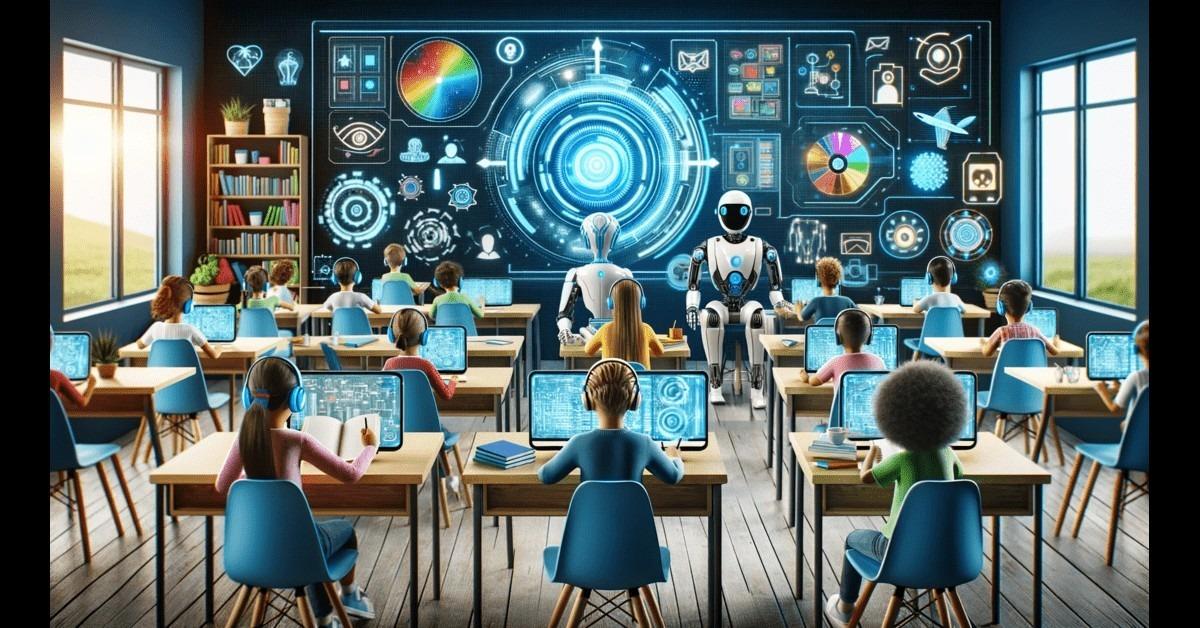
The Future of Microlearning in Education: Innovative Trends and Lasting Impact
Microlearning in education is revolutionizing traditional classroom and online learning paradigms. As educational trends shift toward more agile, learner-centric models, microlearning has emerged as a powerful strategy for delivering just-in-time content, increasing learner engagement, and enhancing knowledge retention. But what does the future hold for microlearning? In this extensive article, we’ll explore innovative microlearning trends, examine its lasting impact, and share practical insights for educators and organizations seeking to implement these cutting-edge techniques.
What is Microlearning?
Microlearning is an instructional approach that delivers content in short, focused bursts, typically lasting from a few seconds to about ten minutes per learning module. Designed for today’s fast-paced, digital learners, microlearning makes education more digestible, accessible, and relevant.
- Content is often multimedia-rich, employing videos, infographics, podcasts, or interactive quizzes.
- Microlearning can be used for standalone learning or as part of a larger curriculum.
- It supports mobile learning, making it ideal for on-the-go education.
innovative Trends Shaping the Future of Microlearning
The adoption of microlearning is not static. Here are the latest innovative trends in microlearning transforming the educational landscape:
1. AI-Powered Personalized Learning
Artificial Intelligence (AI) is tailoring educational experiences more efficiently than ever. Microlearning platforms use AI to:
- Analyze learners’ habits and preferences.
- Recommend customized microlearning paths based on progress and skill gaps.
- Provide instant, data-driven feedback.
This personalization fosters higher engagement and knowledge retention.
2. Gamification and Interactive Elements
Gamification isn’t just a buzzword.Incorporating game design elements into microlearning modules—including badges,leaderboards,and rewards—encourages friendly competition and boosts motivation:
- Interactive scenarios and storytelling deepen learning impact.
- Progress tracking turns learning into a rewarding habit.
3. Mobile-First Microlearning
With the proliferation of smartphones, mobile-friendly microlearning is now the expectation. Platforms are optimizing for mobile interfaces, delivering content any time, anywhere:
- Responsive design ensures seamless experience across devices.
- Push notifications help maintain learning momentum.
4.Video-Driven Content
Microlearning videos are short, engaging, and effective at illustrating complex topics quickly. Expect more interactive video modules—like branching scenarios or clickable hotspots—to become mainstream.
5. Social and Collaborative Microlearning
The future of microlearning in education is social. Learners crave community interaction, peer feedback, and knowledge-sharing. Integration with enterprise social networks or collaboration tools enhances the sense of community and facilitates deeper learning.
6. Microlearning for Soft Skills Growth
Microlearning has traditionally focused on hard skills and compliance. now, educators are leveraging it for critical soft skills like leadership, communication, and emotional intelligence, using simulations, real-life scenarios, and reflection prompts.
Benefits of Microlearning in Education
Why is microlearning gaining traction among educators and learners? here are the most impactful microlearning benefits:
- Improved Retention: Short, focused lessons help learners retain and recall data more effectively.
- higher Engagement: microlearning modules fit within busy schedules, boosting participation rates.
- On-Demand Learning: Learners can access content anywhere, anytime, fostering self-directed learning.
- Cost Efficiency: Development and updates are quicker and less expensive compared to traditional courses.
- Immediate Application: Microlearning is ideal for just-in-time training, allowing learners to apply new skills right away.
Practical Tips for Implementing Microlearning
Getting started with microlearning? These best practices will help maximize its effectiveness:
- Identify Learning Objectives: Define clear, measurable goals for each microlearning unit. Focus on single,specific outcomes.
- Use Variety in Formats: Mix video,audio,quizzes,and written content to keep learners engaged and accommodate different learning styles.
- Design for mobile: Ensure content is responsive and easily navigable on any device.
- Leverage Analytics: Use built-in analytics to track participation, completion rates, and knowledge gains. Adjust content based on learner feedback.
- Embed Microlearning in Workflow: Integrate learning moments within daily routines or existing software platforms. This blending encourages natural knowledge acquisition.
Real-World Case Studies: Microlearning in Action
Here are some impactful examples showcasing the lasting impact of microlearning across different sectors:
Corporate training: Siemens AG
Siemens implemented microlearning modules to train employees on compliance and technical skills. By delivering knowledge in small, scenario-based units, they saw:
- 15% increase in knowledge retention
- 30% uptick in user engagement
- Faster time-to-competency in new hires
Higher education: Arizona State University
ASU’s adoption of microlearning for online courses led to improved completion rates. Students reported higher satisfaction due to bite-sized lessons that fit their schedules, supporting non-traditional learners balancing work and study.
K-12 Education: EdApp by SafetyCulture
EdApp’s platform enables teachers to deliver microlearning on STEM topics. Key outcomes included:
- Enhanced engagement among digital-native students
- Greater inclusivity via mobile-first learning
- Improved test scores in participating classrooms
Firsthand Experience: educators and Learners Speak
“Integrating microlearning into our curriculum has energized classroom participation. Students love the fast wins, and I’ve noticed a marked betterment in concept retention.” — Linda M.,High School Science teacher
“As a working parent,microlearning is a game changer. I can quickly pick up a new skill while commuting or during lunch breaks.” — James T.,Corporate Learner
The Lasting Impact of Microlearning on the Educational Landscape
The future of microlearning in education points to an increasingly flexible,adaptive,and inclusive system of lifelong learning. As educational institutions and enterprises continue to embrace microlearning, we can expect:
- Smarter Knowledge Delivery: AI, analytics, and automation will make microlearning more responsive to individual needs.
- Reduced learning Barriers: Microlearning supports equal access by lowering time, cost, and geographical barriers.
- Lifelong Learning Cultures: Short-form, on-demand content fosters continuous improvement and adaptability—a must in the modern workforce.
Conclusion: Embracing the Microlearning Revolution
Microlearning stands at the forefront of educational innovation, blending technology, psychology, and pedagogy to create impactful, learner-centered experiences. As we look to the future,the potential for microlearning to democratize access,personalize education,and catalyze lifelong learning is profound. Educators, employers, and learners alike must embrace this revolution, leveraging microlearning’s benefits to meet the demands of our fast-changing world.
Start integrating microlearning strategies today and empower learners to thrive in a future defined by agility, innovation, and knowledge at their fingertips!