
The Future of microlearning in Education: Key Trends and Impact on Modern Classrooms
Education is rapidly evolving, and microlearning is at the forefront of this conversion.As classrooms strive to cater to tech-savvy, attention-challenged students, microlearning has emerged as a powerful educational trend.In this article, we will explore what microlearning is, its key trends, how it is indeed reshaping modern classrooms, its benefits, practical strategies for implementation, and the lasting impact it has on students and educators alike.
What is Microlearning?
Microlearning refers to a learning strategy that delivers education in small, easily digestible chunks, often focused on a single objective or skill. These bite-sized learning modules—usually lasting between two minutes to fifteen minutes—are delivered via digital platforms,making them ideal for today’s fast-paced,tech-centric society.
- Short,focused lessons
- Accessible anytime,anywhere
- Incorporates multimedia such as video,quizzes,and interactive content
- Ideal for mobile devices and social learning environments
Key Trends in Microlearning for Education
The future of microlearning is shaped by emerging technologies and evolving educational philosophies.Below are the top trends defining microlearning in modern classrooms:
1. Mobile-First Microlearning
As smartphone usage dominates, microlearning modules are increasingly designed with a mobile-first approach. This allows learners to access content on-the-go, increasing engagement and completion rates.
2. Gamification and Interactive Content
Gamified elements like badges, points, and leaderboards are enhancing microlearning experiences. Interactive quizzes, scenario-based learning, and digital flashcards motivate learners and provide instant feedback.
3. AI-Powered Personalized Learning Paths
Artificial intelligence (AI) is driving personalized microlearning by analyzing learner data and customizing content delivery. this ensures that students receive materials tailored to their unique strengths and needs, maximizing knowledge retention.
4. Integration with LMS and EdTech Ecosystems
Microlearning is now seamlessly integrated into Learning Management Systems (LMS) and broader EdTech solutions. This allows instructors to track student progress, assign targeted modules, and analyze learning outcomes on a granular level.
5. Social and Peer Learning
Social elements—discussion forums, collaborative assignments, peer reviews—are being built into microlearning platforms. These elements foster community and encourage deeper learning through interaction.
Benefits of Microlearning in Modern Classrooms
microlearning is revolutionizing the way students learn and teachers deliver content. Here are some of the most meaningful advantages:
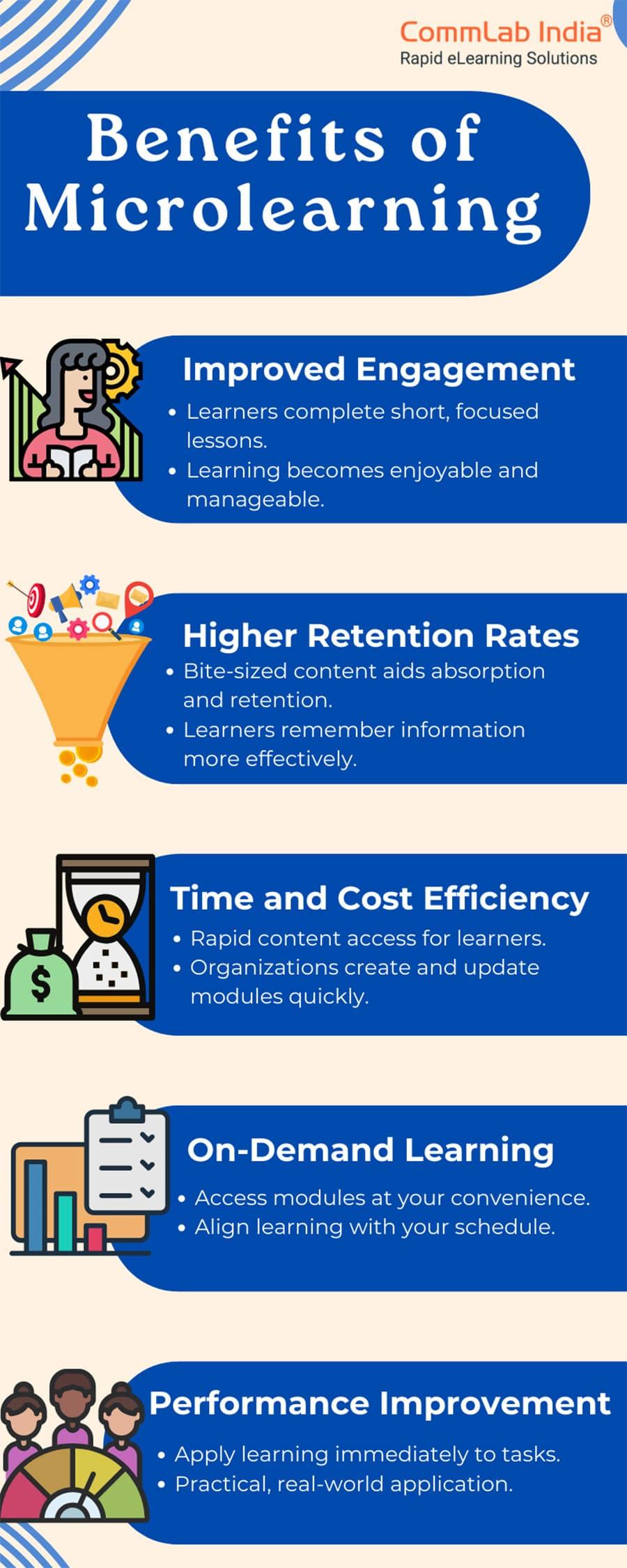
- Improved Retention: Concise, focused modules reduce cognitive overload, helping learners retain data longer.
- Increased Engagement: Interactive and multimedia-rich micro-content captivates learners’ attention.
- Self-paced Learning: Students can revisit modules and learn at their own speed, facilitating mastery of concepts.
- Cost-Effective: Microlearning is easier and quicker to produce, making it more affordable for schools and districts.
- Just-in-Time Learning: Learners can access information when they need it, supporting problem-solving and real-world request.
Real-Life Case Studies: Microlearning Success Stories
Many educational institutions have already embraced microlearning with impressive results. Here are a few inspiring examples:
Harvard Medical School: Enhancing Retention with Microlearning
Harvard Medical School integrated microlearning modules into its curriculum to support medical students’ busy schedules. By breaking complex topics into short, focused videos and interactive quizzes, the school reported improved retention rates and higher satisfaction among students.
Duolingo: Microlearning in Language Education
Duolingo, the popular language-learning app, is a prime example of microlearning’s power. Users engage with exercises that take just minutes, but consistent practice leads to measurable language acquisition over time.
K-12 Virtual Classrooms: Modular Learning Experiences
Many K-12 educators are leveraging microlearning for subjects like math and science. Modular video lessons, daily practice quizzes, and instant feedback have helped boost performance and motivation in remote and hybrid learning environments.
How to Effectively Integrate Microlearning into Your Classroom
To harness the full benefits of microlearning, educators and administrators should consider the following implementation strategies:
- Identify Core Learning objectives: Break lessons into clear, single-focus objectives before designing microcontent.
- Utilize Multimedia: Create engaging modules using video, infographics, podcasts, slides, and mini-assessments.
- Incorporate Mobile-Pleasant Platforms: Utilize LMS or EdTech tools optimized for smartphones and tablets.
- Leverage Gamification: Integrate challenges, rewards, and achievement systems to motivate learners.
- Encourage Peer Collaboration: use discussion boards and group activities to enrich the microlearning experience.
- monitor and Analyze: Leverage analytics to refine content, address learner difficulties, and celebrate improvements.
Challenges and Considerations
While microlearning offers numerous advantages, it is crucial to be mindful of certain challenges:
- Consistency: Ensuring coherence between separate micro-modules can be challenging.
- Depth vs.Breadth: Conciseness might sometimes compromise comprehensive understanding. Balance is crucial.
- Technology Access: Not all students may have equal access to digital devices or stable internet.
Overcoming these hurdles requires thoughtful instructional design and ongoing feedback from students.
The Future Impact of Microlearning on Education
As microlearning continues to gain traction, its influence on education will only grow. We can expect:
- Continuous Learning Culture: Microlearning supports lifelong learning, equipping students for the demands of a rapidly changing world.
- Data-Driven Instruction: Educators will leverage real-time analytics to personalize learning journeys and address individual needs promptly.
- Global Collaboration: Microlearning platforms will foster international educational exchanges and peer-to-peer interaction.
- Integration with Emerging Technologies: expect to see greater use of artificial intelligence, virtual reality, and augmented reality in future microlearning modules.
Conclusion: Embracing Microlearning for Tomorrow’s classrooms
The future of microlearning in education is shining, promising more personalized, accessible, and effective learning experiences. By embracing microlearning, educators can respond to the needs of today’s digital learners, increase engagement, and foster greater student success.
As we move forward, the integration of microlearning into modern classrooms will be crucial for preparing students for new careers, technologies, and global challenges. Now is the time for educators,school leaders,and learners alike to unlock the transformative power of microlearning and shape the future of education together.