
The Future of Microlearning in Education: revolutionizing How Students Learn
In the rapidly evolving digital age, education is undergoing a remarkable transformation. One of the moast critically important innovations reshaping the learning landscape is microlearning. This approach, rooted in delivering small, focused learning units, is gaining momentum in classrooms, online courses, and corporate training programs worldwide. But what exactly is microlearning, and how is it revolutionizing how students learn? Let’s dive into the future of microlearning in education, exploring its benefits, real-world applications, and transformative impact.
What is Microlearning?
Microlearning is an educational strategy that delivers content in small, easily digestible chunks. Typically lasting from a few seconds to about 10-15 minutes, microlearning modules focus on one learning objective or concept at a time. These bite-sized lessons can be accessed on-demand, often through mobile devices or online platforms, making learning more flexible and engaging.
- Short-form Content: Videos, quizzes, infographics, podcasts, and interactive scenarios.
- Just-in-Time Learning: Learners can access content whenever they need it, promoting self-directed study.
- Personalized Experience: Content is tailored to the learner’s pace and needs.
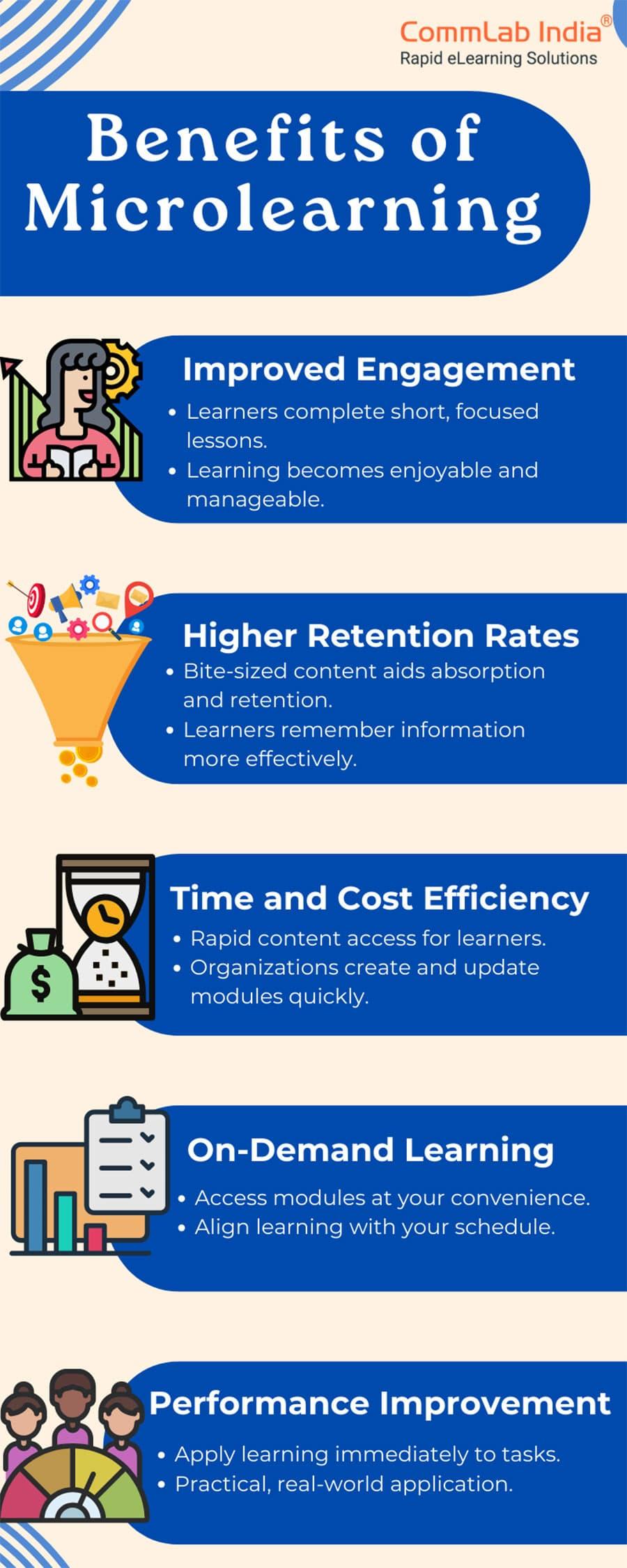
Why Microlearning Matters: key benefits
As digital natives increasingly populate classrooms, their learning preferences evolve. Here are some of the most compelling benefits of microlearning in modern education:
1. Enhanced Engagement
- Short lessons align with shrinking attention spans.
- Interactive and multimedia elements boost motivation.
- Gamification and instant feedback make learning fun and rewarding.
2. Improved Knowledge Retention
- Repetition and reinforcement aid memory recall.
- Focus on a single concept reduces cognitive overload.
3. Versatility and Accessibility
- Learners can access lessons anytime, anywhere—perfect for remote and hybrid learning.
- Mobile-friendly formats fit seamlessly into busy lifestyles.
4. Personalized Learning Pathways
- Adaptive algorithms recommend content based on progress and performance.
- Students move at their own pace, mastering fundamentals before advancing.
5. Cost-Effectiveness
- Lower production costs compared to conventional courses.
- Easy to update and repurpose modules as curriculum changes.
microlearning in Action: Real-World Case Studies
Microlearning is not just a theory—it’s being successfully integrated into diverse educational environments:
Case Study 1: K-12 Classrooms
Schools across the globe are implementing microlearning strategies to reinforce concepts in science,math,and languages. For example, a middle school math teacher uses daily five-minute video lessons and speedy quizzes via classroom tablets.The result has been a measurable enhancement in both test scores and classroom participation, as students find the content more relatable and digestible.
Case Study 2: higher Education
Universities are developing microlearning modules within Learning Management Systems (LMS) to supplement lectures. At a leading international university, students in an engineering program receive weekly micro-lessons that break down complex theories into manageable segments. Pass rates on difficult topics have risen by 22%, and student satisfaction with course delivery has soared.
Case Study 3: Corporate Training and Upskilling
Companies are leveraging microlearning to onboard new hires and enhance employee skills. An international tech firm reports that integrating gamified microlearning quizzes into staff training improved retention rates by 40% and reduced onboarding time by half.
The Role of Technology in Microlearning
Advancements in educational technology have been pivotal in the rise of microlearning. Here’s how modern tech is powering this trend:
- Mobile Apps: Learning is literally at students’ fingertips.
- Artificial Intelligence & Personalization: AI-driven platforms create custom learning paths and analytics dashboards for educators.
- Gamification Engines: Leaderboards, points, and badges make microlearning addictive and interactive.
- Cloud-Based LMS: Easily manage and update content, track progress, and facilitate collaborative learning.
“Microlearning leverages the power of technology to meet learners where they are, transforming passive education into an active, personalized journey.”
Practical tips for Implementing Microlearning in Your Curriculum
Ready to embrace microlearning for yourself or your students? Here’s how to get started:
- Define Learning Objectives: Each micro-lesson should target a specific skill or concept.
- Leverage Multimedia: Mix videos, podcasts, infographics, and quizzes to cater to diverse learning styles.
- Embrace Mobile-Friendly Formats: Ensure your content is accessible on all devices.
- Encourage Active Participation: Add interactive elements like polls, discussions, and real-world scenarios.
- Monitor Progress: Use analytics to track engagement and adapt content as needed.
- Iterate and Improve: Gather feedback from learners and refine your modules for maximum impact.
Challenges and Considerations
while microlearning offers numerous advantages, it’s essential to address potential challenges:
- Fragmented Learning: Without a cohesive structure, microlearning can lead to gaps in understanding.
- Digital Divide: Not all students have equal access to devices or reliable internet.
- Assessment Difficulties: Evaluating long-term mastery from bite-sized lessons requires innovative assessment methods.
- Content Overload: Too many modules can overwhelm or distract learners without clear guidance.
The solution lies in careful curriculum planning,ensuring microlearning modules supplement—not replace—comprehensive instruction and support.
The Future of microlearning: Predictions and Trends
So, what’s next for microlearning in education? Here are the trends and predictions shaping its future:
- AI-Driven Personalization: Adaptive platforms that customize content in real time for each learner.
- VR/AR Integration: Immersive experiences to bring concepts to life in bite-sized formats.
- Social Microlearning: Peer-to-peer sharing and collaborative challenges via social platforms.
- Lifelong Learning: Microlearning will become the backbone of continuous education and professional development.
Experts agree: As technology continues to advance and learning ecosystems diversify, microlearning will be at the heart of educational innovation, equipping students with the skills they need in a fast-paced world.
Conclusion: microlearning is Shaping Tomorrow’s Education
The future of microlearning in education is bright, offering unparalleled flexibility, engagement, and personalization for today’s diverse learners. As microlearning continues to evolve, educators, students, and organizations alike are discovering its power to revolutionize how we acquire knowledge—one bite-sized lesson at a time.
Are you ready to embrace the microlearning revolution? Start small, stay curious, and watch as this innovative approach transforms your educational journey.