
The Future of Microlearning in Education: Trends and Transformations Ahead
In a world where attention spans are shrinking and learning needs are rapidly evolving,microlearning has emerged as a powerful educational strategy.With its bite-sized, easily digestible content, microlearning is redefining the way students, educators, and corporate trainers approach skill acquisition and knowledge retention.As digital change accelerates, what does the future hold for microlearning in education? In this comprehensive guide, we’ll explore the latest trends in microlearning, discuss its transformative potential, highlight real-world case studies, and provide practical tips for integrating microlearning into educational ecosystems.
Understanding Microlearning: A Brief overview
Before we dive into future trends, it’s essential to grasp what microlearning realy means. Microlearning refers to the delivery of educational content in small, focused segments, often designed to be completed in minutes rather than hours. this approach leverages multimedia—such as videos, quizzes, infographics, and interactive modules—to facilitate rapid learning and better retention.
- short duration: Learning modules are typically 3–7 minutes long.
- Targeted Content: Focuses on single concepts or skills at a time.
- Accessibility: Easily accessible via smartphones, tablets, and computers.
- just-in-Time Learning: Enables learners to acquire information when they need it most.
The Growing Importance of Microlearning in Modern Education
The need for adaptable, personalized learning experiences has never been greater. Traditional teaching methods often struggle to engage today’s digital natives, while microlearning provides a flexible, learner-centered approach. Whether in K-12 classrooms, higher education, or corporate training environments, microlearning is catalyzing a shift towards active, self-directed learning.
Emerging Trends in Microlearning: Looking Ahead
As educational technology advances, microlearning is evolving in both scope and sophistication. Here are some of the top future trends in microlearning you need to watch:
1. Mobile-First Microlearning Platforms
With the global proliferation of smartphones and tablets,mobile microlearning is set to dominate. Learners can now access education on-the-go, making learning interruptions a thing of the past. Many EdTech companies are investing in responsive, app-based platforms that deliver seamless content experiences and push notifications for ongoing engagement.
2. Artificial Intelligence and Personalization
artificial Intelligence (AI) is revolutionizing microlearning by personalizing content delivery. AI-driven platforms analyze learner behavior and adapt the content, pace, and complexity to each individual’s needs. This enables:
- Custom learning paths
- Adaptive quizzes and assessments
- automated feedback and smart recommendations
3. Gamification and Interactive Content
Integrating gamification elements—like badges, leaderboards, and points—increases learner engagement and motivation. Interactive modules and simulations turn passive consumption into active participation,making learning more enjoyable and effective.
4. Microlearning in Remote and Hybrid Education Models
the rise of remote and hybrid learning models—accelerated by the global pandemic—demands flexible educational formats. Microlearning modules are ideally suited for asynchronous learning,allowing students to progress at their own pace,revisit challenging topics,and fit education into busy schedules.
5. Video-Based Microlearning and Visual Storytelling
video remains one of the most powerful delivery mediums in microlearning. Platforms like TikTok and YouTube are already influencing how young learners prefer to consume information. Short, dynamic videos incorporating real-life scenarios, animations, and data visualization are shaping the future of educational content.
6. Learning Analytics and Real-Time Feedback
The integration of learning analytics is offering valuable insights into learner behavior. Educators and instructional designers can use real-time data to:
- Identify knowledge gaps
- Adjust content strategies
- Provide timely support and feedback
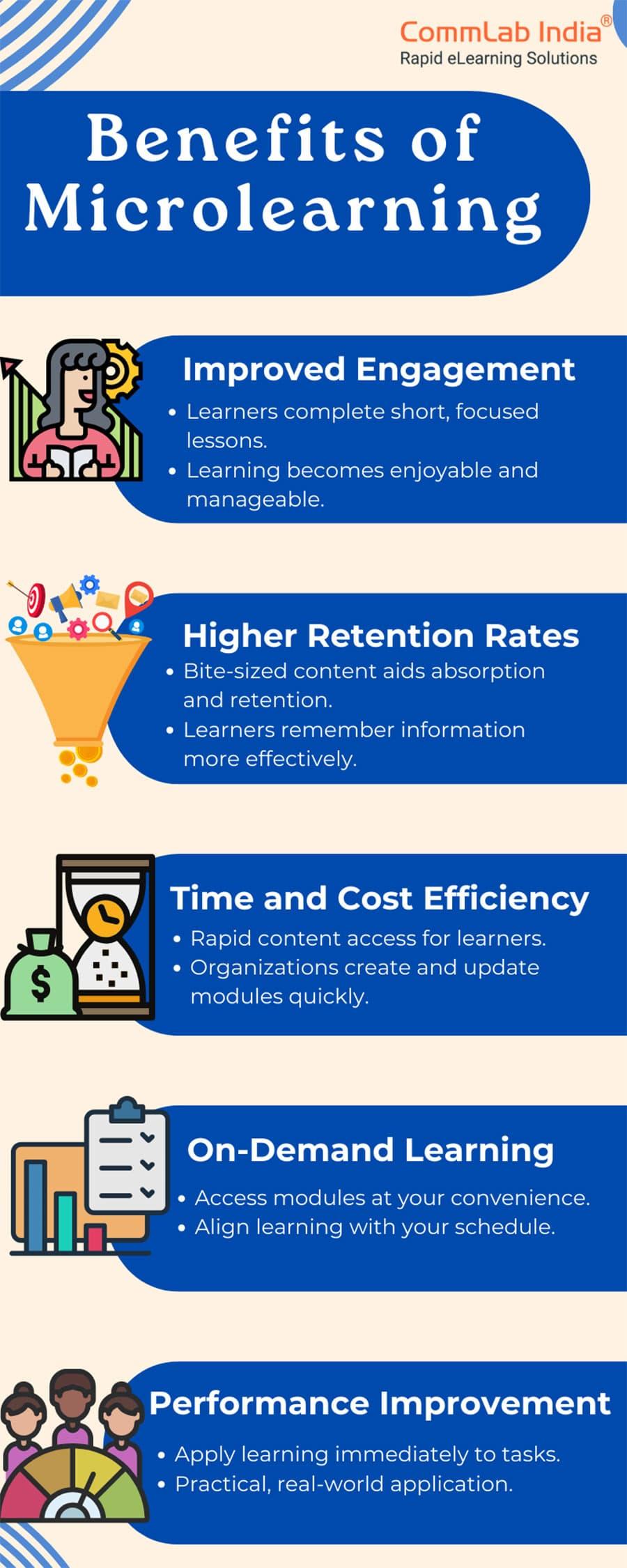
Benefits of Microlearning for Modern Education
The benefits of microlearning in education are transformative and multifaceted:
- Enhanced Engagement: Bite-sized content keeps learners attentive and reduces cognitive overload.
- Boosted Retention: Repeated exposure to concise modules improves long-term knowledge retention.
- Flexible & Accessible: Students learn at their own pace, anywhere and anytime.
- cost and Time Efficient: Shorter advancement cycles make course creation faster and more affordable.
- Inclusive Learning: Enables differentiated instruction for students with diverse needs and abilities.
“Microlearning offers an unprecedented level of personalization and flexibility, enabling every learner to take charge of their own educational journey.”
Microlearning in Action: Case Studies and Success Stories
Case Study 1: Corporate eLearning at google
Google implemented microlearning modules to keep their global teams updated on cybersecurity protocols. By breaking down complex policies into short, scenario-based videos and interactive assessments, Google reported a 45% increase in compliance and retention rates compared to traditional courses.
Case Study 2: Microlearning in K-12 Classrooms
A school district in Texas integrated microlearning through mobile apps and short instructional videos for STEM courses. Teachers observed a marked improvement in student engagement and test scores, particularly among students who previously struggled with attention in longer lessons.
Case Study 3: Higher Education & Skill Development
A university in the UK used microlearning for language acquisition. Weekly bite-sized grammar lessons delivered via email and app notifications led to a 30% improvement in student progress, as measured by final assessments.
Best Practices for Implementing Microlearning in Education
Ready to adopt microlearning in your educational institution or training program? Here are some practical tips to maximize impact:
- Focus on One Objective: Each module should address a single learning goal.
- Leverage Multimedia: Mix text, images, audio, and video to cater to different learning styles.
- Incorporate Interactivity: Add quizzes, simulations, and prompts for reflection.
- Offer On-Demand Access: Use cloud-based platforms for uninterrupted learning.
- Monitor Analytics: Track learner performance to continuously refine and personalize content.
- Seek Feedback: Use learner feedback to improve and iterate course modules.
Challenges to Overcome in Microlearning Adoption
Despite its many advantages, certain challenges remain as microlearning transitions into mainstream education:
- Content Fragmentation: Overemphasis on brevity can lead to a lack of contextual depth.
- Assessment Difficulties: Traditional testing methods may not align with microlearning modules.
- Technological Accessibility: not all students have equal access to devices or high-speed internet.
- Faculty Training: Teachers and trainers may require support to design effective microlearning content.
Outlook: What’s Next for Microlearning in Education?
The future of microlearning is shining and promising. As educational institutions and corporate organizations continue to prioritize agile, learner-centric strategies, microlearning will play a pivotal role in personalized education. Expect to see tighter integration with other EdTech innovations—like AI, VR, and blockchain—further revolutionizing how we teach, learn, and assess.
For educators, trainers, and educational leaders, staying ahead of these trends will not only enhance learner outcomes but also future-proof their teaching methods in an ever-evolving digital landscape.
Conclusion: Embracing the microlearning Revolution
Microlearning is more than just a trend—it’s a transformative force reshaping the future of education. By embracing microlearning strategies, educators and organizations can make learning smarter, faster, and more relevant for today’s learners. As technology progresses and learning preferences evolve, the impact of microlearning will only grow, offering flexible, effective, and inclusive education for all.
Are you ready to transform your learning with microlearning? Start small, stay agile, and watch your educational outcomes soar!