
The Future of Microlearning in Education: Trends, Benefits, and Innovations for 2024
As education rapidly evolves, the ways in which we learn, teach, and engage with information are transforming more than ever. Microlearning has emerged as a cutting-edge educational strategy, redefining how students absorb knowledge in bite-sized, focused bursts. In 2024, microlearning is not just a buzzword — it’s a critical component of personalized, flexible, and effective learning. In this article,we’ll explore the future of microlearning in education,examine key trends for 2024,highlight powerful benefits,showcase must-know innovations,and provide practical tips to harness its full potential.
What is microlearning?
microlearning is an educational approach that delivers content in small, easily digestible units. These lessons typically range from a few seconds to 10 minutes, designed to target specific learning objectives or skills.Whether it’s through videos, interactive quizzes, infographics, or gamified modules, microlearning meets today’s learners where they are — on mobile devices, in remote settings, and within the flow of work or study.
Key Trends shaping the Future of Microlearning in Education (2024)
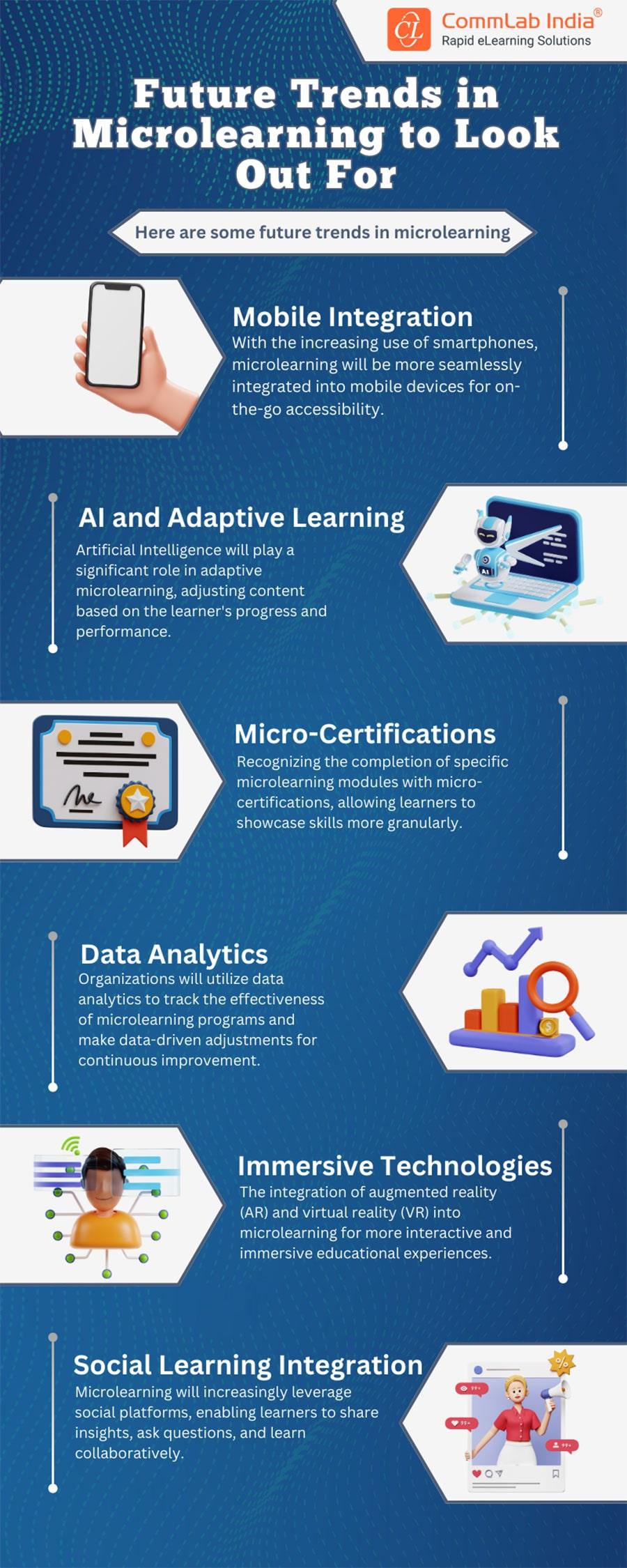
- AI-Driven Personalization: Artificial intelligence is enabling personalized learning journeys, automatically adapting micro-content to suit individual student strengths and gaps.
- Mobile-First Learning: With the majority of learners using smartphones and tablets, microlearning content is increasingly optimized for mobile engagement.
- Gamification & Social Learning: Microlearning platforms are integrating gamified elements and peer-driven collaboration to boost participation and retention.
- Integrations with LMS Platforms: Modern Learning Management Systems (LMS) now seamlessly incorporate microlearning modules,empowering both teachers and students.
- Just-in-Time Training: On-demand microlearning supports real-time skill acquisition, from coding to language learning, and even soft skills growth.
- Data Analytics & Adaptive Assessments: Real-time tracking and adaptive quizzes provide actionable insights for educators and learners alike.
Benefits of Microlearning in Education
Microlearning isn’t just a trend—it offers compelling advantages for schools, colleges, corporate training, and lifelong learning. Here are some of the top benefits:
- Increased Engagement: Short, focused modules capture attention and reduce cognitive overload, making learning more enjoyable and manageable.
- Faster Knowledge Transfer: Learners can quickly absorb and apply new knowledge without disruptive time commitments.
- Better Retention: Spaced repetition and active recall within microlearning enhance long-term retention and memory.
- Flexible & Accessible: On-demand modules allow students to learn anywhere, anytime—perfect for remote and hybrid learning environments.
- Personalized Pacing: Microlearning empowers students to control their learning speed, supporting both remedial and accelerated pathways.
- Cost-Effective: Creating, updating, and distributing microlearning modules is more affordable than traditional curricula or classroom-based training.
Innovations in Microlearning for 2024
Education technology is moving fast, and microlearning is at the forefront of innovation. Watch for these game-changing developments in 2024:
- AI-Curated Learning Paths: Platforms are leveraging AI to generate micro-courses based on student interests, learning history, and performance data.
- Immersive Microlearning Experiences: Augmented Reality (AR) and Virtual Reality (VR)-powered micro-content put learners directly into scenarios, like virtual labs or ancient recreations.
- Voice-First Microlearning: Smart speakers and voice assistants deliver brief lessons and check-ins, integrating learning into daily routines.
- Micro-Credentials & Digital Badges: Verified microlearning achievements are now recognized by schools and employers, supporting lifelong learning and employability.
- Peer-Created Micro Content: User-generated quizzes, flashcards, and explainer videos foster a collaborative learning ecosystem.
Microlearning in Action: Case Studies & success Stories
Case Study 1: A School’s blended Learning Revolution
Oakridge International School, Hyderabad, embedded microlearning video modules into its science curriculum. Test scores improved by 18% and student feedback cited “short lessons” as their favorite feature, making learning less intimidating and more interactive.
Case Study 2: Upskilling with Microlearning in Higher Education
At the University of Illinois, business students use microlearning apps to master analytics tools. By engaging with daily challenges, students increased real-world application and saw content mastery rates rise by 30% over the semester.
Educator Perspective: First-hand Experience
“implementing microlearning in my classroom transformed my teaching method.Bite-sized modules made concepts clearer and students became more proactive in their learning journey. The flexibility also allowed me to tailor content for different learning levels.” – Emma R., High School Teacher
Practical Tips for Implementing Microlearning in 2024
- Start Small: Begin with a single microlearning module or a weekly micro-quiz. Track engagement and adjust content as you go.
- Mix Formats: Use videos, infographics, podcasts, and short readings to cater to different learning styles.
- Leverage Technology: Utilize microlearning platforms or plugins that integrate seamlessly with your school’s LMS (like Moodle, Canvas, or Google Classroom).
- incorporate Gamification: Add elements like leaderboards, instant feedback, or achievement badges to boost motivation.
- Encourage Micro-Assessments: Short quizzes or polls at the end of each module enhance recall and identify gaps in understanding.
- Foster Peer Learning: Invite students to create and share their own micro-content, building a collaborative and dynamic classroom culture.
Frequently Asked Questions About Microlearning
Is microlearning effective for all subjects?
While microlearning is especially effective for skills-based subjects and test prep, it can augment understanding in most disciplines when combined with other teaching strategies.
How can teachers create microlearning content?
Numerous free and paid tools (like Canva,Quizlet,or Edpuzzle) exist to craft microlearning modules. Many LMS platforms offer micro-content creation features as well.
Is microlearning suitable for K-12 learners?
Absolutely! Younger learners benefit from short, visual lessons that fit their attention spans—and microlearning adapts well to primary and secondary classrooms.
Conclusion: The Radiant Future of Microlearning in Education
In 2024, microlearning in education is set to become even more powerful, driven by AI, mobile technology, gamification, and new standards for digital credentials. Its flexibility, cost-effectiveness, and proven benefits are making microlearning a core pillar of future-ready classrooms across all levels. Embracing microlearning opens up new pathways for personalized,accessible,and engaging education for every learner,everywhere.
As we look ahead,educational institutions,teachers,and edtech innovators should continue exploring microlearning’s limitless potential—one digestible module at a time.