
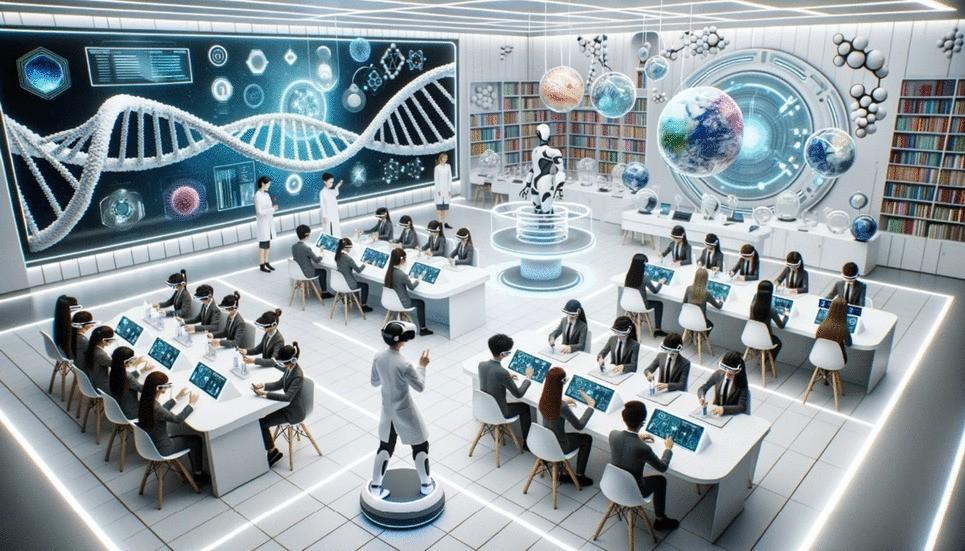
The Future of Microlearning in Education: Trends, Benefits, and Next-Gen Classroom Impact
Microlearning is rapidly emerging as one of the most effective educational methods for today’s fast-paced and technology-driven world. This innovative approach breaks down knowledge into bite-sized modules, making learning flexible, accessible, and tailored to the needs of modern students. In this comprehensive guide, we’ll explore the future of microlearning in education, analyze current trends, unveil its benefits, and highlight its critically important impact in next-generation classrooms.
Introduction: Why Microlearning Is Reshaping Education
With shrinking attention spans and the exponential growth of digital content, customary teaching methods are struggling to keep pace with students’ evolving needs. Microlearning—short, focused learning units—offers a solution that meets learners where they are, enabling personalized and engaging educational experiences. From K-12 education to corporate training and higher learning, microlearning is setting new standards for knowledge retention, remote collaboration, and lifelong skill progress.
What Is Microlearning? Key Definitions and Principles
Microlearning in education refers to the delivery of content in small, easily digestible units that focus on specific learning objectives. Lessons can range from swift video tutorials and brief assessments to interactive quizzes or infographics.
Core Principles of Microlearning
- brevity: Lessons are concise and usually last between 2 to 10 minutes.
- Focus: Each module targets a single concept or skill.
- Accessibility: Content can be accessed on any device, anywhere, anytime.
- Interactivity: Learning activities often use multimedia elements and active participation.
- Flexibility: Learners progress at their own pace.
Latest Trends in Microlearning: Shaping the Future Classroom
The adoption of microlearning in classrooms is accelerating thanks to advancements in technology and changing educational paradigms. Here are some of the most impactful trends:
1. Mobile Learning and Apps
- Microlearning content is being designed primarily for smartphones and tablets, empowering students to learn on-the-go.
- Apps provide push notifications, reminders, and rewards to keep learners engaged.
2. Gamification and Interactive Elements
- Game-based strategies, leaderboards, and achievement badges are integrated into microlearning platforms to boost motivation.
- Interactive storytelling and scenario-based modules help learners apply theoretical knowledge in simulated environments.
3. Artificial Intelligence and Personalization
- AI-driven analytics adapt learning paths to individual strengths and weaknesses.
- Automated feedback enhances real-time assessment and knowledge gap identification.
4. Video-Based Microlearning
- Short, focused videos—frequently enough under five minutes—deliver complex concepts rapidly.
- Closed captioning and multi-language support foster inclusivity.
5. Integration with E-learning Platforms and LMS
- Microlearning modules are seamlessly woven into Learning Management Systems (LMS) like Moodle or Canvas, offering blended learning experiences.
- Progress tracking and analytics inform teaching strategies and curriculum design.
Benefits of Microlearning in Education
Microlearning delivers unique advantages for students, teachers, and institutions. Let’s examine the leading benefits that make it a preferred choice for next-generation classrooms:
- higher Knowledge Retention: Short modules prevent cognitive overload, helping learners retain details longer.
- Instant Feedback and Continuous Assessment: quizzes and assessments at the end of each micro-lesson reinforce understanding and provide immediate feedback.
- Greater Accessibility: Learning can happen anytime, anywhere, making education inclusive for remote, working, or differently-abled students.
- Cost efficiency: Microlearning reduces development time and cost for educational content creators and institutions.
- increased Engagement: Gamified elements, multimedia content, and autonomous learning paths elevate student engagement.
- Personalized Learning Experience: AI algorithms customize modules to fit individual learner needs.
- Quick Adaptation: Educators can rapidly update modules to reflect changes in curriculum,policies,or emerging topics.
Practical Tips for Implementing Microlearning in the Classroom
Ready to leverage microlearning strategies in your educational environment? Here are actionable tips to get started:
- Start Small: Convert one or two lesson plans into microlearning modules as a pilot program.
- Choose the Right Technology: Use platforms or apps that integrate with your existing LMS and support multimedia.
- Focus on Clear learning Objectives: Define specific outcomes for each module to keep content focused and relevant.
- Incorporate Interactive Elements: Use quizzes,polls,and discussions to promote active learning.
- gather Feedback: Survey students after each module to refine content and delivery methods.
- Iterate and Update: Continuously improve modules based on student performance and feedback analytics.
Real-World case Studies and First-Hand Experience
Case Study 1: Microlearning in K-12 Mathematics
A district in Georgia adopted an app-based microlearning platform for middle school math practice. Teachers reported a 30% increase in post-assessment scores, and students expressed increased confidence due to frequent short quizzes and instant feedback.
Case Study 2: Corporate Learning with Microlearning
A top fortune 500 company implemented microlearning video modules for workplace safety training. Completion rates soared by 50%, and learners showed better retention compared to traditional lecture-based sessions.
First-Hand Experience: Teacher Outlook
“As an educator, I’ve found microlearning invaluable, especially for review sessions and homework activities. Students are less intimidated by the short format and more willing to re-engage with lessons when they can do so on their smartphones. I noticed improved participation and retention,especially among students who struggled with traditional lectures.”
The Impact of Next-Gen Microlearning: transforming the Classroom Experience
Microlearning not only optimizes content delivery for today’s learners but also transforms the role of educators and educational institutions. In next-generation classrooms, teachers become facilitators, guiding students through interactive, personalized learning journeys. Real-time data analytics enable adaptive teaching, early intervention for struggling students, and a shift towards lifelong, self-directed learning.
- Hybrid and Remote Learning: Microlearning enables continuity during school closures or for distributed teams.
- STEM and Coding: Flashcards, quick coding challenges, and video demos simplify complex STEM concepts.
- Accessible education: Text-to-speech, multi-language support, and device compatibility foster inclusivity for students worldwide.
Conclusion: the Future Outlook for Microlearning in Education
As educational technology continues to advance, microlearning will become an integral part of school curriculums, higher education, and workplace training. The agility, engagement, and personalized nature of microlearning modules make them ideal for the next-gen classroom.
By staying informed of evolving microlearning trends,embracing new delivery platforms,and focusing on learner-centered strategies,teachers and institutions can unlock the full potential of microlearning. This shift promises a smarter, more adaptive, and inclusive educational future where every learner has the chance to succeed—one bite-sized lesson at a time.
If you’re ready to take your teaching or training to the next level, now is the perfect time to start integrating microlearning into your educational toolkit!
For further reading or resources, explore: