
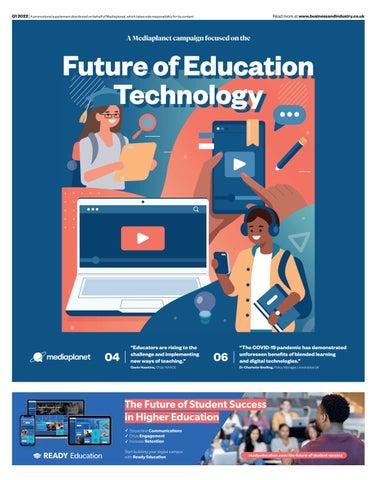
The Future of Microlearning in education: Trends, Innovations, and What to Expect
the digital revolution has made a significant impact on educational methodologies, giving rise to innovative approaches like microlearning. As technology continues to evolve, microlearning is quickly emerging as a key trend in modern education. This article dives deep into the future of microlearning in education, exploring its defining trends, groundbreaking innovations, and what stakeholders—from students to educators—can expect in the coming years.
What is Microlearning?
Microlearning refers to the delivery of educational content in small, easily digestible units that learners can access anytime and anywhere. These learning nuggets typically last between 2 to 10 minutes and focus on a single objective or skill. designed for today’s fast-paced environment, microlearning leverages mobile technology and multimedia to enhance engagement and retention.
- Bite-sized modules: Focus on short bursts of knowledge.
- Just-in-time learning: Data accessible when it’s needed most.
- Multimodal delivery: Uses videos, quizzes, infographics, podcasts, and interactive scenarios.
The Benefits of Microlearning in Education
The advantages of microlearning extend to students, teachers, and educational institutions alike:
- Enhanced retention: Research shows that spaced and repeated exposure to content improves recall and mastery.
- Greater adaptability: Learners can access content on-demand across devices, fitting learning into busy schedules.
- Higher engagement: Interactive,visually rich content increases attention and motivation.
- Cost-effectiveness: Reduced content development and delivery costs, particularly beneficial for corporate and online training programs.
- Personalization: Adaptive pathways and AI-driven recommendations help tailor learning experiences to individual needs.
current Trends Shaping Microlearning
Microlearning is no longer a niche concept—it’s shaping the future of learning in schools, universities, and the workplace. Here are some of the top microlearning trends educators and organizations should watch:
1. Mobile-Frist Learning
With the widespread use of smartphones and tablets, microlearning is increasingly optimized for mobile devices. This strategy makes education accessible to a broader audience—especially adult learners, remote employees, or students in developing regions.
2. Gamification
Gamified elements like points, badges, leaderboards, and interactive challenges boost engagement and motivation. when paired with microlearning, gamification enhances knowledge retention while making learning fun and social.
3. Artificial Intelligence and Personalization
AI-driven platforms analyse individual performance, preferences, and behavior to deliver hyper-personalized learning paths, making microlearning adaptive and responsive to student needs.
4. Video-Based Micro-Modules
Short instructional videos are trending as the preferred content type for microlearning. Platforms such as YouTube, Khan Academy, and TikTok for learning showcase how video can break down complex topics into approachable segments.
5. Integration with Learning Management Systems (LMS)
Modern LMS platforms increasingly feature microlearning modules,allowing educators to monitor progress,issue certificates,and blend microlearning with other forms of digital and in-person instruction.
Innovations Driving the Future of Microlearning
The rapid evolution of educational technology (EdTech) is bringing fresh innovation to microlearning. Let’s explore some exciting developments:
- Augmented and Virtual Reality (AR/VR): Immersive microlearning experiences transport students into realistic simulations, making abstract or practical skills more tangible.
- Microlearning playlists: Just like music or video playlists, learners can curate a custom learning journey suited to their goals and pace.
- Instant Feedback and Assessment: Quizzes and real-time analytics identify strengths and weaknesses, allowing for immediate intervention or positive reinforcement.
- Voice-Activated Learning: Voice assistants,chatbots,and smart speakers are being explored as hands-free tools to deliver microcontent seamlessly during daily routines.
- Social and Collaborative Microlearning: Peer-driven micro-discussions,group challenges,and user-generated content foster a sense of community and continuous learning.
Microlearning in Action: Case Studies and First-Hand Experiences
Organizations globally are already witnessing the transformative power of microlearning. Here are a few real-world examples:
Corporate Training
IBM implemented a microlearning strategy to streamline employee onboarding. By providing targeted, short modules accessible via mobile, IBM reduced training time by 40% and saw a measurable increase in employee skill retention.
K-12 Education
In several US school districts, teachers use platforms like Edpuzzle to assign short video lessons paired with formative quizzes. Teachers report improved student engagement, particularly among those previously struggling with attention spans.
Higher Education
Harvard University’s online learning division integrates microlearning into online courses, using mini-lectures, scenario-based problems, and swift self-checks. Students appreciate the flexibility and timely feedback.
Practical Tips for Implementing Microlearning
As the demand for microlearning in education grows, institutions and educators should consider these best practices:
- Define Clear Learning Objectives: Each module should focus on a single learning target to maintain clarity and effectiveness.
- Use Rich Media: Incorporate videos, infographics, and interactive exercises to maximize engagement and comprehension.
- Prioritize Accessibility: Ensure that materials are accessible, mobile-friendly, and inclusive for all learners.
- Encourage Self-Pacing: Allow learners to move thru content in their own time,revisiting modules as needed.
- Integrate Assessment: Short quizzes, polls, and interactive activities reinforce learning and provide actionable data.
- Foster Collaboration: Use forums, group challenges, or discussion boards to develop a community of practice.
What to Expect: The Future Outlook of Microlearning in education
The future of microlearning is luminous and full of promise. As educational technology matures, expect to see:
- Wider Adoption Across Sectors: Not only in schools and universities but also in professional certification, compliance training, and lifelong learning settings.
- Increasing Use of AI & Data Analytics: Adaptive microlearning platforms will offer personalized feedback and content curation at scale.
- seamless Integration with Digital Ecosystems: Microlearning will be part of larger learning management systems, creating blended and continuous learning environments.
- Focus on Soft Skills: More microlearning content will target critical thinking, communication, and emotional intelligence alongside technical skills.
- Micro-Credentials and blockchain: Learners will collect micro-credentials—digital badges and certificates—secured via blockchain technology, enhancing academic and career portfolios.
conclusion
As we look ahead, it’s clear that microlearning will continue shaping the educational landscape. It offers unmatched flexibility,promotes lifelong learning,and utilizes the latest educational technologies to adapt to a changing world. By embracing these microlearning trends and innovations, educators and organizations can empower learners to reach their full potential, one micro-lesson at a time. Whether you’re an educator, administrator, or lifelong learner, staying ahead with microlearning can ensure success in the future of education.