
The Future of Microlearning in Education: Trends Shaping Tomorrow’s Classrooms
Microlearning is rapidly transforming education by delivering concise, focused learning experiences tailored to modern classrooms. As educational institutions strive to keep pace with technological advancements and shifting learner needs, the adoption of microlearning in education is not just a trend—it’s a powerful, emerging paradigm destined to shape tomorrow’s classrooms.
What Is Microlearning?
Microlearning is an instructional strategy that breaks down complex information into small, easy-to-digest units or modules. These bite-sized learning experiences are designed to deliver content in short bursts, typically lasting between two to seven minutes. The flexibility and efficiency of microlearning make it an ideal approach for digital-first, on-the-go learners in both K-12 and higher education settings.
- Short, focused lessons that target specific skills or knowledge.
- Multimedia-rich content such as videos, quizzes, infographics, and interactive modules.
- Accessible on demand via smartphones, tablets, or computers.
Key Trends Shaping the Future of Microlearning in Education
As educators and technologists innovate, several important trends in microlearning are emerging, shaping how students access and retain knowledge in tomorrow’s classrooms:
1. personalization and Adaptive Learning
Artificial intelligence (AI) and data analytics enable microlearning platforms to personalize content based on each learner’s progress, strengths, and weaknesses.Adaptive learning ensures that students receive the right content at the right time, maximizing engagement and retention.
2. Mobile-First experiences
Today’s digital-native students expect on-the-go access to educational materials. Mobile-amiable microlearning modules let learners engage with concise content anywhere, anytime—making learning truly flexible and continuous.
3. Gamification Elements
Incorporating gamification—badges, leaderboards, points, and rewards—into microlearning increases motivation and active participation.Such strategies foster healthy competition and a sense of accomplishment, leading to improved learning outcomes.
4. Video-Based & Interactive Content
Microlearning leverages multimedia, especially short educational videos, simulations, and interactive quizzes. these formats cater to various learning styles,enhancing understanding and engagement.
5. Seamless Integration with Learning Management Systems (LMS)
Modern microlearning tools seamlessly integrate with popular LMS platforms like Moodle, Blackboard, or Google Classroom. This integration facilitates streamlined curriculum delivery and real-time progress tracking.
6. Data-Driven Insights and Analytics
Cloud-based microlearning solutions provide educators with actionable data about learner engagement, completion rates, and knowledge retention. Educators use these insights to refine content and address individual or group needs.
Benefits of Microlearning in Modern Classrooms
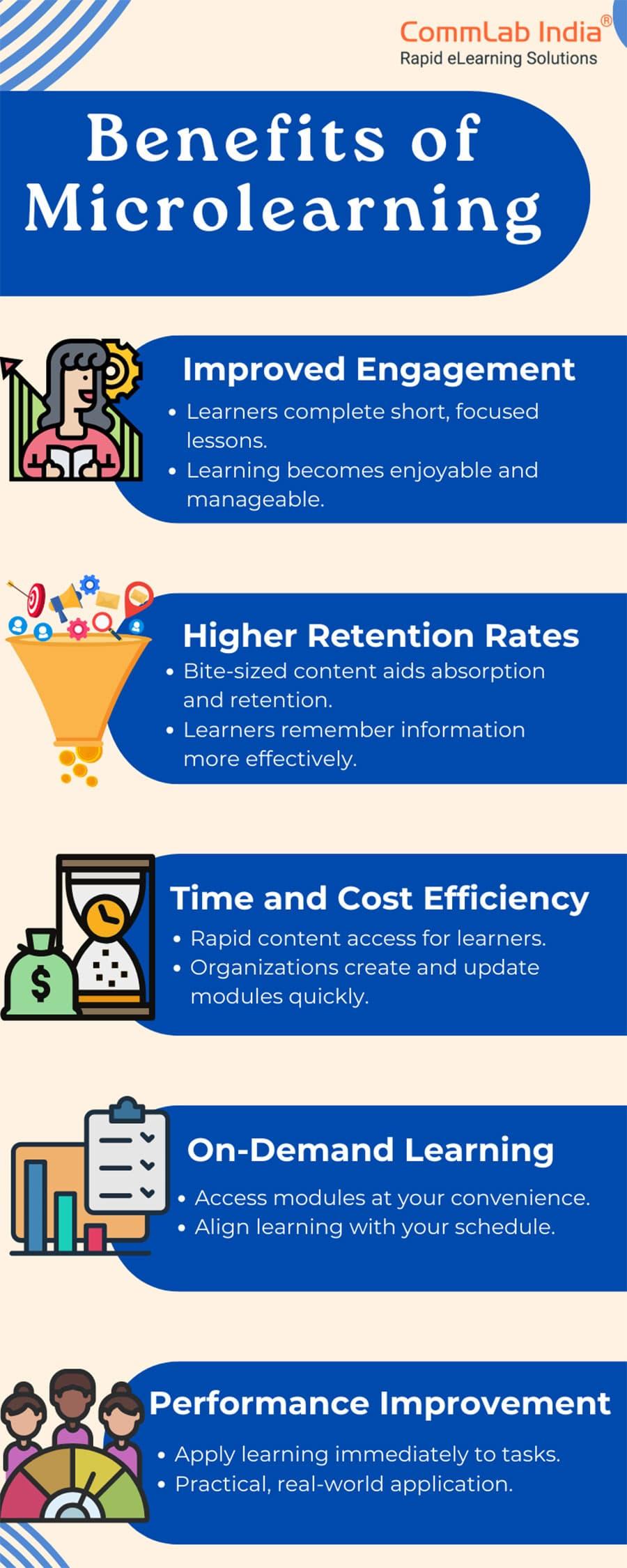
- Improved knowledge retention: Focused,repeated exposure to key concepts helps cement learning.
- Higher student engagement: Short modules are less intimidating and reduce cognitive overload.
- Greater flexibility: On-demand access accommodates diverse schedules and learning preferences.
- Immediate feedback: Quizzes and assessments provide instant feedback, allowing timely intervention.
- Supports lifelong learning: Ideal for upskilling and reskilling throughout one’s education and career.
Real-World Case Studies: Microlearning Success Stories
Several educational institutions and organizations are already harnessing the power of microlearning to boost student success.Here are two compelling case studies:
Case Study 1: Elementary School Science classes
Teachers at a forward-thinking elementary school implemented microlearning videos to supplement textbook learning in science subjects. Short video modules explained complex concepts like photosynthesis and the solar system. As a result, students not only demonstrated a deeper understanding during assessments but also displayed greater enthusiasm for class participation. Feedback from both students and parents highlighted increased retention and enjoyment.
Case Study 2: University-Level Language Learning
A prominent university integrated a microlearning platform for its language courses, delivering daily vocabulary lessons and bite-sized grammar reviews. These modules, accessible via mobile devices, enabled learners to practice on the go. Student performance data revealed higher quiz scores, faster vocabulary acquisition, and increased usage of the university’s e-learning resources.
Practical Tips for Implementing Microlearning in Education
Ready to harness the benefits of microlearning? Here are actionable tips for educators, instructional designers, and administrators:
- Define clear learning objectives for each microlearning module to ensure content focus and relevance.
- Leverage multimedia including short videos, podcasts, and infographics to cater to different learning styles.
- Promote interactivity by integrating quizzes, polls, and scenario-based exercises.
- Utilize analytics to track learner engagement and performance, enabling data-driven refinements.
- Encourage spaced repetition to reinforce key topics over time and boost long-term retention.
- Start small and scale up as you gather feedback and see positive learning results.
trends to Watch: The Future of Microlearning in Education
As technology and teaching practices evolve, expect these future trends to further accelerate the microlearning movement:
- Augmented Reality (AR) and Virtual Reality (VR) will bring immersive, real-world scenarios into microlearning experiences.
- AI-driven content creation will automate the development of personalized modules tailored for individual or group needs.
- Collaborative microlearning will harness social learning, allowing students to share insights and creations in bite-sized formats.
- increased integration with wearable technology will enable learning “in the moment” on smartwatches and other devices.
Conclusion: Embracing Microlearning for Tomorrow’s Classrooms
The future of microlearning in education is bright, agile, and learner-centric. As schools, colleges, and educators continue to blend traditional teaching with microlearning strategies, students will benefit from personalized, engaging, and flexible educational experiences that match the pace of tomorrow’s fast-evolving world.
Those who embrace microlearning today are preparing their classrooms—and their learners—for a future where rapid, relevant, and real-world ready knowledge sharing is the new educational norm. With clear benefits, ongoing technological innovation, and proven success stories, microlearning stands out as a defining trend shaping the classrooms of tomorrow.
Are you ready to integrate microlearning into your educational environment and equip your learners with the tools they need to succeed in the ever-changing digital age?