
The Future of SEL in Schools: Emerging Trends and Key Directions for Educational Success
In recent years, Social and Emotional learning (SEL) has taken center stage in education, transforming classrooms in ways that extend far beyond academic achievement. As educators, parents, and policymakers recognize the intrinsic value of nurturing emotional intelligence and interpersonal skills, the future of SEL in schools is evolving at a rapid pace. This article dives deep into the most important trends, practical insights, and key directions that will shape the next decade of SEL, guiding educational success and student well-being.
What is Social and Emotional Learning (SEL)?
SEL refers to the process through which children and adults acquire and effectively apply the knowledge, attitudes, and skills necessary to understand and manage emotions, set positive goals, demonstrate empathy for others, establish healthy relationships, and make responsible decisions. The Collaborative for Academic, Social, and Emotional Learning (CASEL) identifies five core competencies:
- Self-awareness
- Self-management
- social awareness
- Relationship skills
- Responsible decision-making
With growing evidence showing the link between SEL and positive educational outcomes, schools are integrating these skills into their daily practices—making SEL an essential part of the learning experience.
Emerging Trends in SEL: What’s Changing?
The future of SEL in schools is shaped by several transformative trends. Here’s a look at how SEL is evolving to address the needs of today’s diverse learners.
1. Integration with academic curriculum
SEL is no longer a standalone program. Leading districts are embedding SEL principles and activities into core academic subjects. For example, literature classes explore empathy through character analysis, while math lessons foster collaboration and perseverance. This holistic approach ensures that social and emotional growth happens alongside intellectual growth.
2. Data-Driven SEL Programs
Schools are increasingly leveraging data to measure SEL progress. Through surveys, behavioral assessments, and digital platforms, educators can monitor student growth and tailor interventions to maximize impact. Data also helps illustrate the return on investment of SEL initiatives to stakeholders.
3. Culturally Responsive and Inclusive SEL
The future of SEL is one that deeply values diversity and equity. programs are being adapted to reflect students’ cultural backgrounds and lived experiences, including bilingual resources and trauma-informed practices. This fosters a sense of belonging and ensures that every student feels seen and supported.
4. Technology-Enhanced SEL
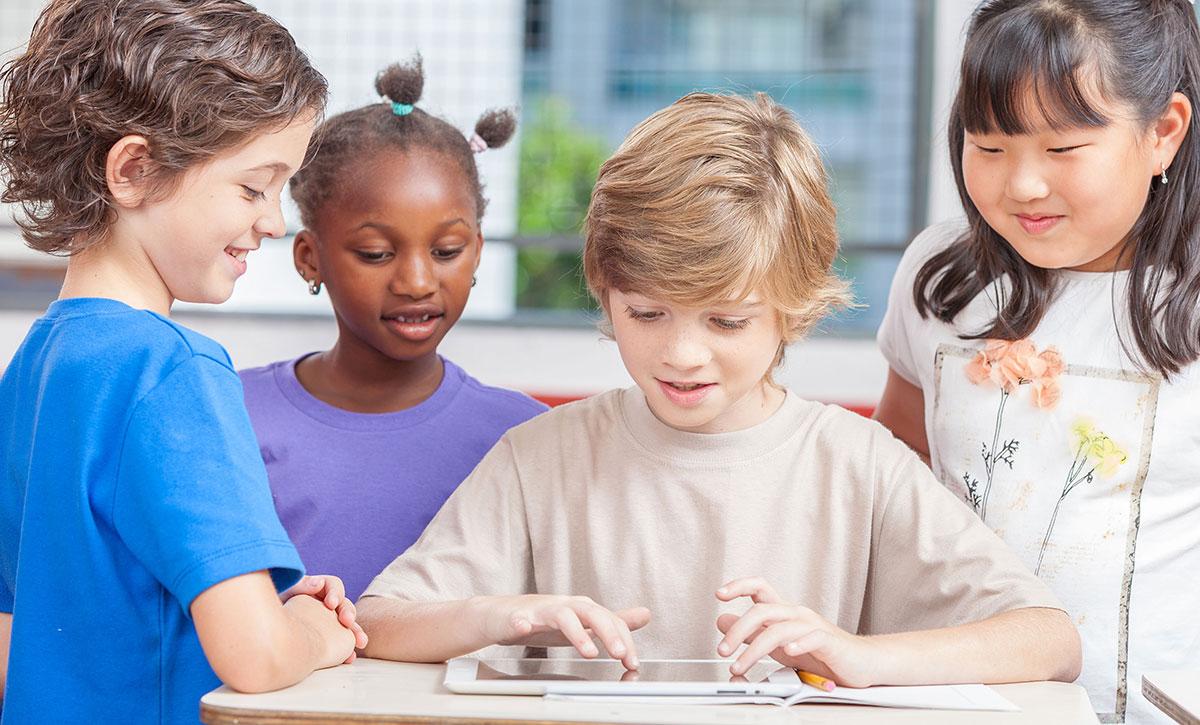
Edtech is revolutionizing SEL by providing interactive apps, virtual mindfulness exercises, and online collaboration tools. Digital solutions make SEL accessible in hybrid and remote learning environments, breaking down barriers to equitable SEL instruction.
5. Family and Community Engagement
The most effective SEL programs extend beyond the classroom. By involving families and community organizations, schools build consistent support systems for emotional growth—both in and out of school.
Key Directions for Educational Success Through SEL
- Prioritizing Mental Health: with rising rates of student anxiety and stress, SEL programs that address mental health and well-being will become vital. Expect to see more mindfulness training, resilience workshops, and accessible counseling.
- Professional Development for educators: Teachers are pivotal to SEL success. Ongoing, high-quality training ensures educators have the confidence and skills to foster emotionally supportive classrooms.
- Evidence-Based Approaches: New research will continue to shape best practices. Future SEL programs will be grounded in neuroscience, psychology, and pedagogy, ensuring interventions that are both effective and scalable.
- Student Agency and Voice: Students are becoming active partners in shaping SEL programs. Expect more student-led initiatives, peer mentoring, and leadership opportunities within the SEL framework.
- Policy Integration: More states are crafting SEL standards and policies, making SEL a core component of school accountability and reporting.
Benefits of SEL: Why Does It matter?
The advantages of SEL go far beyond a happier student body. Here are some of the most compelling benefits:
- Academic Improvement: research from CASEL shows that students in SEL programs outperform peers by 11 percentile points on standardized tests.
- better Behavior and attendance: SEL reduces classroom disruptions and chronic absenteeism.
- Stronger Mental Health: SEL skills reduce instances of anxiety, depression, and emotional distress.
- Long-Term Success: Students with strong SEL skills are more likely to graduate from high school, attend college, and find meaningful employment.
- Positive School Climate: SEL improves relationships among students and staff, creating a culture of inclusion, respect, and mutual support.
Practical Tips: Bringing SEL into Every Classroom
Want to make SEL a daily priority in your school? Here are some practical strategies for educators,administrators,and parents:
- Start with Morning Meetings: A daily check-in helps students feel connected and sets a positive emotional tone for learning.
- Integrate SEL into Lessons: Use literature, history, and science topics to explore empathy, teamwork, and ethical decision-making.
- Model SEL Skills: Demonstrate healthy emotional expression, conflict resolution, and open dialog.
- Create Safe Spaces: Foster an environment where mistakes are viewed as opportunities for learning and growth.
- Collaborate with Families: Share SEL activities,recommended readings,and conversation starters for home.
- Utilize Technology: explore SEL apps and digital resources tailored to your grade level and students’ needs.
Real-Life Case Study: SEL at Work
Case Study: Lakewood Elementary’s SEL Transformation
Lakewood Elementary, located in a diverse urban community, made SEL its top priority five years ago. The school implemented a blended model of evidence-based SEL programs, staff development, and family engagement initiatives. The result?
- Bullying incidents dropped by 50% within two years.
- Student attendance rates rose from 89% to 95%.
- test scores increased by an average of eight percentile points.
- Teachers reported higher job satisfaction and lower burnout.
Lakewood’s principal emphasizes, “SEL has fundamentally changed our culture. Students are more resilient, teachers are more collaborative, and the entire community feels the difference.”
First-Hand Experience: An Educator’s Perspective
Ms. Gomez, a sixth-grade teacher and SEL advocate, shares: “When we started using daily gratitude journals and collaborative projects, I noticed students opening up and supporting each other more. The shift in classroom climate was remarkable—students became more motivated, and conflicts were resolved respectfully. SEL isn’t just a buzzword; it’s the foundation for lifelong success.”
Conclusion: Charting a Brighter future Through SEL
The future of SEL in schools is brimming with promise. As schools embrace emerging trends—like data-driven approaches, technology integration, and culturally responsive practices—students stand to gain not only academically, but emotionally and socially.By prioritizing SEL, educational institutions empower the next generation to navigate challenges, build strong relationships, and find success in a rapidly changing world.
Whether you’re an educator, administrator, parent, or policy maker, your role in championing SEL is essential. Together, we can ensure that social and emotional learning remains at the heart of educational success for years to come.