
The Future of SEL in Schools: Emerging Trends and Key Strategies for Success
Social and Emotional Learning (SEL) has rapidly evolved into a cornerstone of modern education,ensuring that students not only excel academically but thrive both personally and socially. As schools face ongoing challenges—from changing student needs to emerging technologies—the future of SEL is being shaped by innovative strategies and fresh trends. In this comprehensive guide, we’ll explore what’s next for SEL in schools, uncover the latest trends, and share actionable strategies for educators and administrators aiming to achieve long-term success.
Understanding SEL: Why It Matters More Than Ever
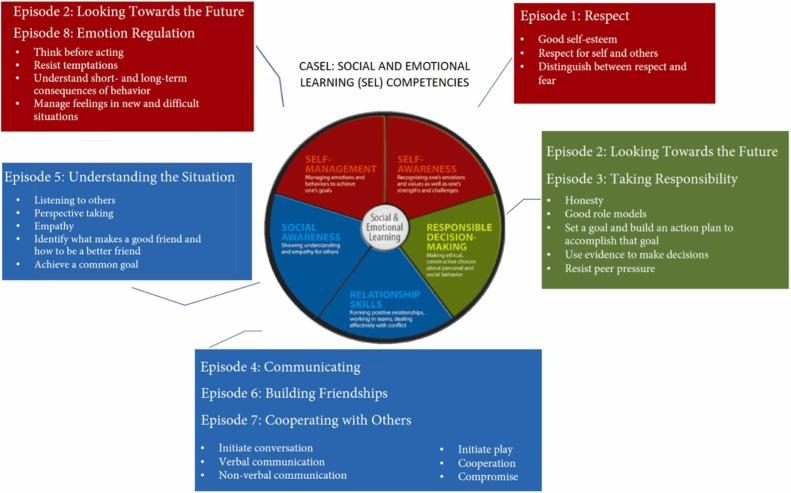
SEL refers to the process through which children and adults acquire and effectively apply the knowledge, attitudes, and skills necessary to understand and manage emotions, set and achieve goals, demonstrate empathy, build relationships, and make responsible decisions. In today’s increasingly complex world, SEL is essential for:
- enhancing academic achievement
- Reducing behavioral issues
- fostering a strong sense of community and belonging
- Preparing students for workforce and citizenship
With research affirming its positive impact, integrating SEL in schools isn’t just beneficial—it’s imperative for holistic student development.
Emerging Trends in SEL: What’s shaping Tomorrow’s Classroom?
The landscape of Social and Emotional Learning is constantly evolving. Here are some of the most influential emerging trends driving change in schools:
1. Technology-Enabled SEL
- SEL Apps & Platforms: Innovative digital tools and applications provide interactive modules, role-play scenarios, and data-driven insights to support students’ emotional growth.
- Remote and Hybrid Learning: Schools are leveraging virtual platforms to deliver SEL content, ensuring access for all students regardless of location or circumstance.
2. Culturally Responsive SEL
- Curricula are increasingly integrating specific strategies to address cultural and linguistic diversity.
- Lessons foster equity, empathy, and respect for different backgrounds, nurturing inclusion and belonging.
3. Data-Driven SEL Programming
- Schools are using tools to measure SEL outcomes and adjust strategies based on student feedback.
- Real-time progress tracking allows administrators to identify trends, celebrate successes, and address gaps promptly.
4. Whole-School and Community-Based Approaches
- SEL is moving beyond classroom walls, involving families, communities, and partnerships with mental health organizations.
- Collaborative efforts ensure the consistency and reinforcement of SEL principles across multiple environments.
Key Strategies for Successful SEL implementation
Adopting and integrating SEL into daily school life requires thoughtful planning and commitment. discover the most effective strategies for long-term SEL success:
1. Professional development and Support
- Ongoing Training: equip teachers and staff with comprehensive SEL training and resources.
- Peer Networks: Establish forums for educators to share best practices, challenges, and solutions.
2. Curriculum Integration
- Cross-Disciplinary Approach: Embed SEL concepts into academic subjects such as math, science, and language arts.
- Explicit Instruction: Teach SEL skills directly, including emotional regulation, conflict resolution, and empathy.
3. Family and Community Engagement
- Host workshops, information sessions, and collaborative projects that involve families and community members.
- Share SEL resources and activities for use at home, reinforcing skills beyond the classroom.
4.Continuous Reflection and Improvement
- Gather ongoing feedback from students, staff, and families about SEL programs.
- Use data to refine practices, celebrate progress, and overcome challenges.
The Benefits of SEL for Students, Educators, and Schools
The positive impact of SEL extends far beyond academic performance. Key benefits include:
- Improved Academic Outcomes: SEL skills such as self-management and focus lead to better grades and test scores.
- better Mental Health: Students experience lower levels of anxiety,depression,and stress.
- Stronger Relationships: Enhanced empathy and social skills foster positive peer and teacher relationships.
- Reduced Behavioral Issues: Schools report decreases in bullying, suspensions, and disciplinary referrals.
- Increased Engagement: Classroom participation and motivation improve markedly.
Real-world Case Studies: SEL in Action
let’s look at how schools are successfully implementing SEL programs:
Case Study 1: A District-Wide SEL rollout
The San Francisco Unified School District launched a comprehensive SEL initiative targeting every grade level. With robust teacher training, digital resources, and family engagement events, the district saw:
- 18% improvement in student attendance rates
- 25% decrease in disciplinary actions
- Greater student confidence and resilience, as measured in annual surveys
Case Study 2: SEL Meets Technology
A suburban middle school implemented digital SEL platforms that allowed students to self-assess and track their emotional growth. Teachers could monitor progress and tailor interventions, resulting in:
- Quicker identification of students needing additional support
- Higher student engagement in SEL activities
- Enhanced family-school interaction regarding student well-being
Practical Tips for Educators: Making SEL Work in Your School
ready to bring SEL into your school or district? Here are actionable tips for educators and administrators:
- Start Small: Launch pilot programs and build on early successes.
- Partner with Experts: Utilize SEL specialists, psychologists, and digital resources for guidance.
- Customize Your Approach: Adapt SEL curricula to your unique school culture and student demographics.
- Prioritize Inclusivity: Ensure that every student feels seen, heard, and valued through culturally responsive teaching strategies.
- Track Progress: Use student surveys, behavioral data, and family feedback to measure impact and make informed changes.
- Celebrate Success: Recognise student achievements, share positive stories, and encourage ongoing participation.
First-Hand Experience: Educators Speak Out
“Implementing an SEL curriculum transformed our school culture. Students became more empathetic, conflicts reduced, and our team felt more united than ever.”
– Michelle G., elementary School Principal
“As a classroom teacher, using technology to teach SEL made lessons more engaging and helped me connect with students on a deeper level.”
– David L., Middle School Teacher
Conclusion: Embracing the Future of SEL in Schools
The future of SEL in schools is brighter and more dynamic than ever. By embracing innovative trends, leveraging key strategies, and committing to ongoing improvement, educators can unlock new levels of success for every student. Social and Emotional Learning is more than a buzzword—it’s an essential framework for nurturing resilient, empathetic, and capable young people prepared to navigate life’s challenges. Whether you’re just beginning your SEL journey or looking to expand an existing program, remember: every step taken toward SEL excellence shapes a better tomorrow for your students, your school, and your community.
Ready to take your school’s SEL to the next level? Begin today with thes strategies and become part of the movement shaping the future of education.