
The Future of SEL in Schools: Emerging Trends and Next Steps for Educators
In today’s rapidly changing world, Social and Emotional Learning (SEL) stands at the forefront of education reform. As schools strive to prepare students not just academically but also emotionally and socially, SEL programs are becoming essential. This article dives deep into the future of SEL in schools, highlighting key emerging trends and practical next steps for educators who wish to create meaningful, lasting change in their classrooms and communities.
Understanding the Importance of SEL in Schools
SEL encompasses five core competencies—self-awareness, self-management, social awareness, relationship skills, and responsible decision-making.According to CASEL (Collaborative for Academic, Social, and Emotional Learning), SEL has been shown to improve academic achievement, bolster emotional intelligence, and cultivate healthier school climates.
Providing a strong SEL foundation is not just a “nice-to-have” but a crucial component of success for today’s students.
- Academic Improvement: SEL programs can increase academic performance by an average of 11 percentile points (CASEL,2023).
- Mental Health: Integrating SEL helps reduce emotional distress and behavioral problems.
- Career Readiness: SEL equips students with critical 21st-century skills needed for future workplaces.
Emerging Trends in Social and Emotional Learning
As we look ahead, several emerging SEL trends are transforming how schools approach emotional and social advancement. Understanding these trends can help educators, administrators, and policymakers future-proof their SEL strategies.
1.Tech-Driven SEL Solutions
- EdTech Platforms: Tools like ClassDojo and Second Step now include SEL modules for remote and in-person use.
- AI & Data Analytics: Educators use data-driven insights to personalize SEL instruction and track student growth over time.
- virtual Reality: SEL-focused VR environments allow students to practice empathy, conflict resolution, and mindfulness safely.
2. Culturally Responsive SEL
Modern SEL initiatives are increasingly grounded in equity and inclusivity. Schools are weaving learners’ diverse backgrounds into SEL curricula, affirming students’ identities, and promoting cross-cultural understanding.
- Curricular materials tailored for multicultural classrooms
- Community and family partnerships to extend SEL outside school walls
3. Whole-School Approaches
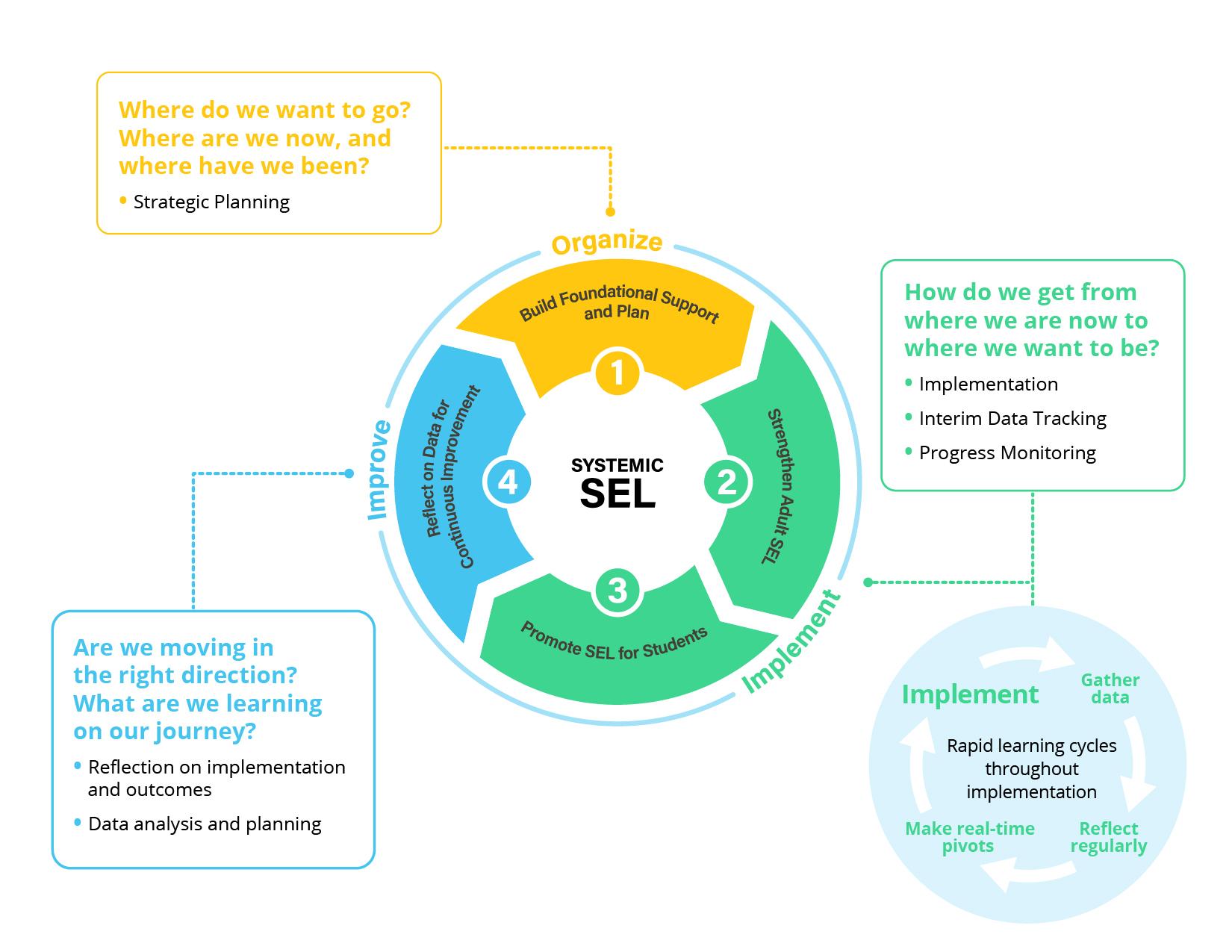
Educators recognise that effective SEL should not be isolated in health classes. Instead, SEL is being embedded systemically—throughout school culture, discipline policies, teacher training, and extracurricular activities.
- District-wide SEL frameworks and common language
- Dedicated SEL coordinators or leadership teams
4.Adult SEL and Educator Well-being
A growing body of research highlights the importance of teachers’ own social and emotional competence. Professional development now prioritizes SEL for educators to improve teacher well-being,job satisfaction,and classroom climate.
- Mindfulness-based stress reduction workshops
- Peer support groups and reflective practice sessions
5. family and Community Engagement
- Interactive SEL lessons sent home to families
- School-wide events centered on empathy and community-building
6. Real-World Application of SEL Skills
The next generation of SEL embeds real-world contexts—such as service learning, entrepreneurship, and civic engagement—helping students transfer competencies beyond the classroom.
Benefits of Prioritizing SEL in Schools
Thorough SEL programs set the stage for both academic and personal success. Here’s what research and first-hand educator experience reveal:
- Boosts Student Engagement: Students feel seen, heard, and valued, fostering deeper connections to school.
- Improves School climate: SEL initiatives reduce bullying, disciplinary incidents, and absenteeism.
- Strengthens Student Relationships: Learners build empathy, effective communication, and teamwork skills.
- Supports Mental Health: students develop resilient coping strategies for stress and anxiety.
- Long-Term Impact: SEL is linked to greater life satisfaction, workplace success, and civic participation.
Practical Tips: Next Steps for Educators Implementing SEL
ready to take SEL to the next level in your school? These actionable steps can help educators embed SEL deeply, effectively, and sustainably:
- Start with Self-Reflection:
Investigate your own attitudes and beliefs about SEL. Personal growth in self-awareness and empathy enhances your ability to model these traits in the classroom.
- Integrate SEL Across the Curriculum:
Look for ways to connect SEL competencies to math, science, language arts, and social studies. For example, analyze character emotions in literature or facilitate teamwork in group STEM projects.
- Use Evidence-Based Programs:
Select SEL frameworks with a proven track record. Leverage guidance from organizations like CASEL or your district SEL coordinator.
- Foster Student Voice and Agency:
Create opportunities for students to set goals, reflect on progress, and lead SEL activities or peer mediation programs.
- Build Strong Family Partnerships:
Communicate regularly with caregivers. Share SEL strategies and resources families can use at home.
- Invest in Ongoing Professional Development:
Attend SEL conferences, webinars, and workshops. collaborate with colleagues to share successes and challenges.
- monitor and Reflect:
Use surveys, observation, and student feedback to assess the effectiveness of SEL initiatives.Adjust your approach as needed.
Case Study: SEL Conversion at greenwood Middle School
“Our SEL journey started with small, intentional check-ins during homeroom and grew into a comprehensive, school-wide movement. Today,students mentor each other,resolve conflicts independently,and show newfound resilience. SEL isn’t a program we deliver—it’s who we are.”
—Mr. James, Principal, Greenwood Middle School
Greenwood Middle School is a shining example of how consistent SEL integration can overhaul school climate. Over three years, the school saw a 40% drop in disciplinary referrals, a 20% rise in attendance, and improved test scores.
- Weekly SEL workshops for staff and students
- Family SEL nights to foster community partnership
- Ongoing measurement of progress and outcomes
Looking Ahead: The Evolving Landscape of SEL
The future of SEL in schools lies in adaptive, student-centered practices that honor diversity, leverage technology, and put community at the heart of learning.As research deepens and tools evolve, expect to see:
- Increased integration of mental health supports and trauma-informed care
- Personalized learning paths that blend academic and SEL goals
- Greater accountability and measurement of SEL outcomes
The challenge? Moving from isolated SEL lessons to a culture were social and emotional growth is woven into every aspect of school life.
Conclusion: Embracing the Future of SEL
As society shifts, so too must our approach to education. Social and emotional Learning equips students with vital skills for happiness, resilience, and lifelong achievement. By staying ahead of SEL trends, embracing whole-school strategies, and nurturing both students’ and educators’ well-being, schools can build environments where everyone thrives. The time to act is now—for educators, families, and communities to unite in shaping the future of SEL in schools.
Curious to learn more? Explore SEL resources,success stories,and evidence-based programs through organizations like CASEL and your local education agency. Together, we can empower the next generation with the confidence, compassion, and creativity needed for tommorow’s world.