
The Future of SEL in Schools: Emerging Trends and Next Steps for Success
As educators and policymakers recognize the crucial role of emotional intelligence in shaping academic success and lifelong well-being, Social-Emotional Learning (SEL) has emerged as an essential component in K-12 education. With society and technology evolving rapidly, the future of SEL in schools is at a pivotal point, influenced by innovative research, advancements in digital learning, and increasing awareness of the importance of mental health.This article explores the emerging trends in SEL, practical strategies for successful implementation, and the next steps schools can take to ensure every student benefits from high-quality SEL programs.
What is Social-Emotional Learning (SEL)?
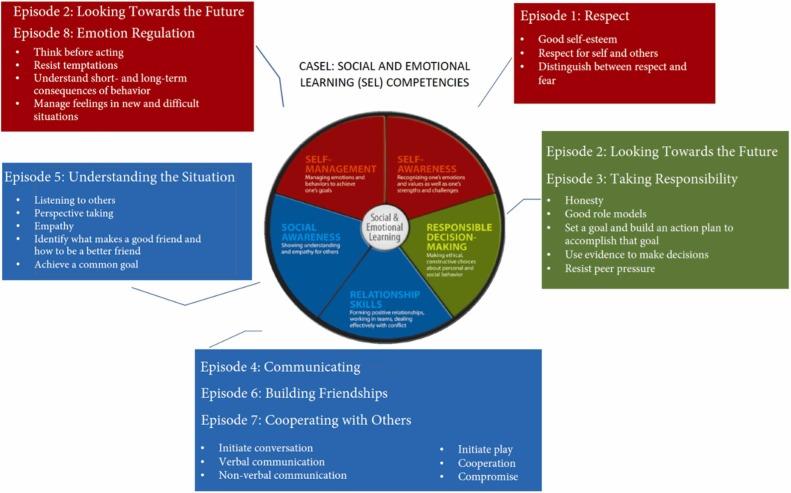
Social-emotional Learning (SEL) encompasses processes through which children and adults acquire and effectively apply the knowledge, attitudes, and skills necessary to understand and manage emotions, set and achieve positive goals, feel and show empathy, establish and maintain positive relationships, and make responsible decisions.
- self-awareness: Recognizing emotions and values and also strengths and challenges
- Self-management: Regulating emotions, thoughts, and behaviors
- Social awareness: Showing understanding and empathy for others
- Relationship skills: Establishing and maintaining healthy relationships
- Responsible decision-making: Making ethical, constructive choices
key Benefits of SEL in Schools
Robust SEL initiatives provide benefits for students, educators, and entire school communities:
- Improved academic performance – Students engaged in SEL programs consistently show better test scores, grades, and classroom behaviour.
- Healthier school climate – SEL helps foster an inclusive, supportive surroundings where all students can thrive.
- Reductions in behavioral problems – Schools with strong SEL programs see significant decreases in bullying, absenteeism, and disciplinary incidents.
- Increased emotional resilience – SEL empowers students to cope with challenges, setbacks, and changes in positive ways.
- Preparation for future success – SEL skills are in high demand in the workforce, making students more adaptable, collaborative, and innovative.
Emerging trends Shaping the Future of SEL in Schools
As we look to the future, several key trends are influencing how SEL is being delivered, measured, and integrated within educational systems:
1. Whole-Child Approach
Schools are moving towards a holistic vision, embedding SEL across curricula rather than isolating it in single lessons. the whole-child approach integrates academics, emotional health, and social skills to support student well-being at every level.
2. Data-Driven SEL Programs
With advances in educational technology, schools are utilizing real-time data and feedback tools to assess SEL competencies, inform instruction, and personalize support. Evidence-based SEL programs are demonstrating measurable improvements in student outcomes.
3. Technology-Enhanced SEL
digital platforms,SEL apps,and virtual reality experiences are enriching student engagement and making SEL accessible beyond the classroom. Remote learning has accelerated the need for scalable, digital SEL resources that foster connection and empathy in virtual environments.
4. Equity and Cultural Relevance
SEL is most effective when tailored to the unique cultural, linguistic, and individual needs of students. Programs now emphasize culturally responsive practices that honor students’ backgrounds and ensure equitable opportunities for social and emotional growth.
5. Family and Community Engagement
Schools are increasingly involving families and community organizations in their SEL initiatives. Partnerships help reinforce SEL principles at home and in the broader community, ensuring lasting impact.
6.SEL for Educators
As frontline facilitators of SEL, educators are receiving more professional advancement and wellness support. Promoting teacher SEL and self-care is essential for sustaining effective SEL in schools.
Practical Tips for Successful SEL Implementation
Whether your school is beginning its SEL journey or looking to enhance existing efforts, consider these best practices:
- integrate SEL into everyday instruction: Embed SEL objectives within core subjects like literacy, math, and science.
- Provide ongoing professional development: Equip teachers with effective SEL strategies, classroom management skills, and self-care practices.
- Engage student voice: Create opportunities for students to express their thoughts, reflect on their experiences, and help design SEL activities.
- Partner with families: Share SEL resources and strategies with caregivers, and invite them to participate in school-wide SEL events.
- Measure and adapt: Use SEL assessment data to monitor progress, celebrate successes, and adjust programs to meet evolving needs.
- Prioritize equity: Ensure all SEL materials and activities are inclusive,culturally sensitive,and accessible to every student.
Real-World Success: Case Studies in SEL Implementation
Case Study 1: Chicago Public Schools (CPS)
CPS pioneered district-wide SEL integration starting in 2012. Their comprehensive, multi-year approach combined explicit SEL lessons with school climate initiatives and teacher training. As a result, CPS reported increased graduation rates, reduced suspensions, and higher teacher satisfaction.
Case Study 2: Austin Independent School District, Texas
This district embedded SEL into daily classroom routines and involved families through regular workshops and digital dialogue. After five years, students showed statistically significant gains in responsible decision-making and empathy, along with reduced behavioral referrals.
Next Steps for the Future Success of SEL in Schools
To ensure SEL’s long-term impact and sustainability, school leaders, teachers, and communities should:
- Advocate for comprehensive SEL policies at state and district levels
- Pursue ongoing research to develop innovative SEL strategies and evidence-based practices
- Leverage technology to personalize SEL experiences and extend learning beyond the classroom
- Foster a culture of continuous advancement by gathering feedback and scaling what works best
- create supportive environments that prioritize mental health, social connection, and inclusivity for all community members
Conclusion
The future of SEL in schools depends on our collective commitment to developing not just academically successful students, but empathetic, resilient, and collaborative individuals prepared for a rapidly changing world. By embracing emerging trends, engaging all stakeholders, and prioritizing equity and innovation, educators can lay the foundation for a truly transformative SEL experience—one that empowers every student to succeed both in and beyond the classroom.