
The future of SEL in Schools: Key Trends and Innovations Shaping Education
Social and Emotional Learning (SEL) has become a cornerstone of modern education, equipping students with the skills to navigate challenges, build meaningful relationships, and thrive both academically and personally. As educational landscapes evolve, so does the approach to SEL. In this extensive article, we explore the future of SEL in schools, uncover emerging trends, innovative solutions, and practical strategies that are shaping a more empathetic and connected generation.
What is Social and Emotional Learning (SEL)?
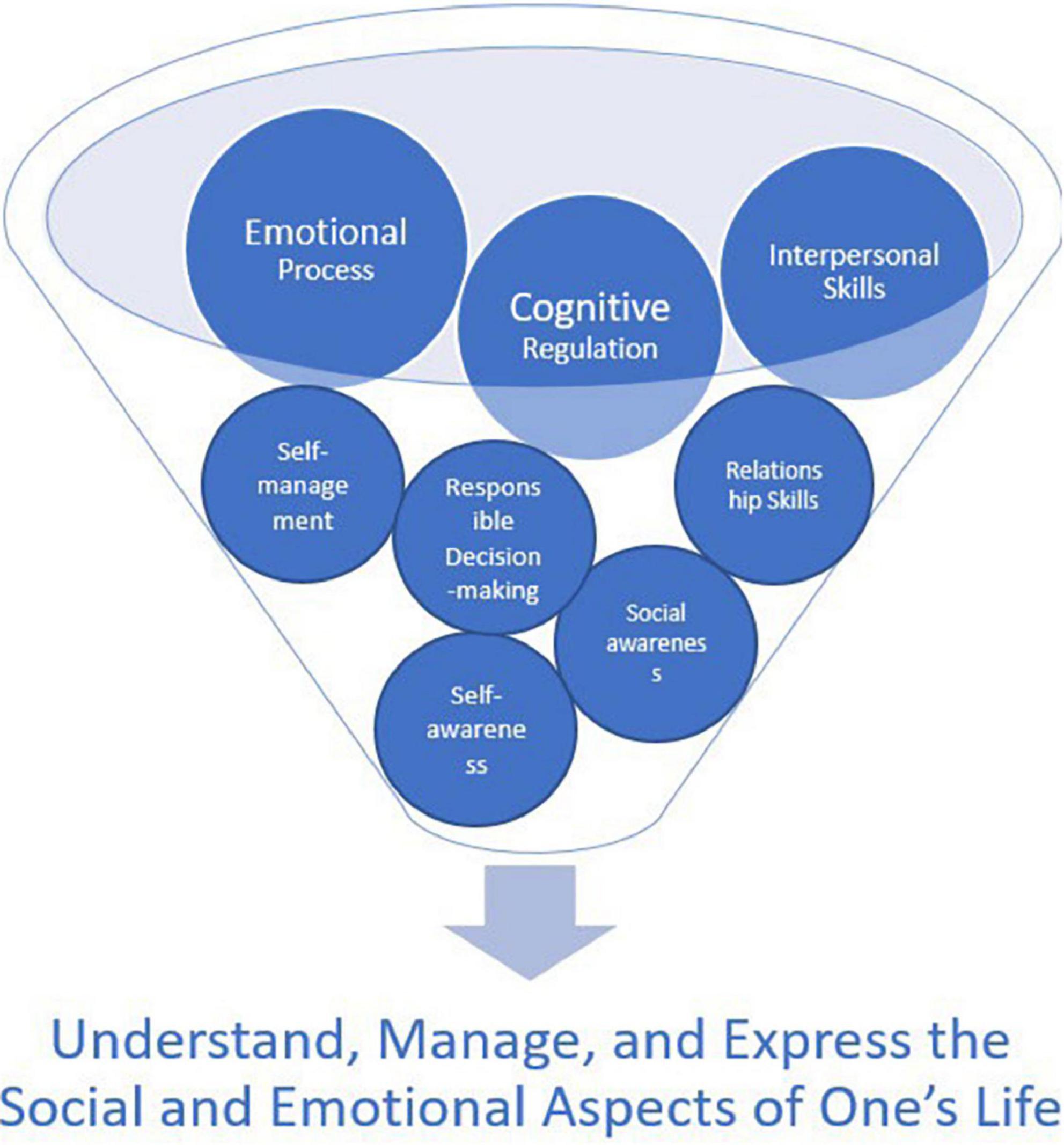
Social and Emotional Learning (SEL) is an educational framework that empowers children and adults to understand and manage emotions,set and achieve positive goals,show empathy for others,build healthy relationships,and make responsible decisions. With growing research highlighting its positive impact on academic performance and student well-being, SEL is rapidly gaining traction worldwide.
Why is SEL Significant in Schools?
- Improves academic outcomes: SEL supports cognitive growth and enhances focus, helping students perform better in school.
- Boosts mental health: Students learn coping strategies, building resilience against stress and anxiety.
- Fosters positive relationships: SEL helps young people develop empathy, effective communication, and collaborative skills.
- Prepares for lifelong success: Social and emotional skills are crucial for career achievement and personal fulfillment.
The Future of SEL in Schools: Key Trends
As educators and policymakers recognize the transformative potential of SEL, several trends are reshaping its implementation in schools:
1. Technology-Driven SEL Solutions
- Digital SEL platforms: Tools like ClassDojo and Second step offer interactive lessons, gamified activities, and real-time feedback, making SEL more engaging and accessible for a tech-savvy generation.
- AI-powered analytics: Artificial Intelligence is increasingly used to monitor students’ emotional states and adapt interventions for personalized support.
- Virtual reality experiences: VR scenarios immerse students in real-life social situations, allowing them to practice empathy, conflict resolution, and leadership skills in a safe space.
2. Integrating SEL Across Curriculum
- Whole-school approach: SEL is moving beyond standalone lessons to be woven into subjects like literacy, math, and science, fostering holistic development.
- Cross-curricular integration: Teachers are embedding SEL themes into everyday classroom content, making these skills a natural part of learning rather than an “add-on.”
3. Focus on Equity and Inclusivity in SEL
- Culturally responsive SEL: Schools are tailoring SEL content to reflect students’ diverse backgrounds, languages, and experiences, ensuring relevance and engagement.
- Trauma-informed practices: There is a growing recognition of the need to incorporate strategies that address trauma and support students facing adversity.
4.Family and Community Engagement
- Extending SEL beyond the classroom: Engaging parents and community partners ensures that SEL skills are reinforced at home and in broader social contexts.
- Family workshops & resources: Many schools offer training, discussion forums, and online materials to help families understand and support SEL development.
5. Data-driven Decision Making
- Measuring SEL outcomes: Refined assessment tools are emerging to track students’ growth in SEL competencies and inform evidence-based interventions.
- Ongoing program evaluation: Schools are increasingly leveraging data to refine SEL programs,ensuring both efficacy and accountability.
Innovative Approaches revolutionizing SEL Implementation
- Peer-led initiatives: Students take active roles in leading SEL activities, fostering empowerment and promoting positive peer influence.
- Mindfulness and meditation: Mindful practices are being embedded within daily routines, teaching students to self-regulate and focus better.
- Restorative practices: Replacing traditional discipline models with restorative circles and conflict resolution builds a stronger, more empathetic school community.
- Gamification of SEL: Interactive games and digital challenges motivate students to develop SEL skills in a fun, engaging way.
Benefits of Embracing SEL’s Future in Schools
- Improved school climate: A focus on SEL fosters a positive, inclusive, and respectful learning surroundings.
- Academic achievement: Numerous studies show that strong SEL skills correlate with better standardized test scores and higher graduation rates.
- Reduced behavioral problems: SEL programs can significantly decrease bullying, absenteeism, and disciplinary incidents.
- Long-term social and economic benefits: young people equipped with SEL competencies are more likely to succeed in today’s collaborative, diverse, and dynamic workforce.
Practical Tips for Schools Adopting Modern SEL Practices
- Start with strong leadership: Success begins with administrators and educators committed to making SEL a school-wide priority.
- Provide ongoing professional development: Equip teachers with up-to-date SEL knowledge, resources, and strategies.
- Involve students in the process: Give students a voice in shaping SEL activities to ensure engagement and relevance.
- Leverage technology mindfully: Use digital tools to complement—not replace—meaningful face-to-face interactions.
- Engage parents and the community: Share SEL goals and tips, and invite feedback from families and local partners.
- Focus on equity: Ensure SEL programs are accessible and culturally responsive for all students.
- Assess and refine: Regularly collect data, reflect, and make adjustments to keep SEL practices effective and relevant.
Case Studies: SEL Innovations in Action
Case Study 1: High-tech SEL at Evergreen middle School
Evergreen Middle School implemented a cloud-based SEL platform providing personalized emotion check-ins and gamified SEL lessons. Over 12 months, the school reported a 30% decrease in behavioral incidents and noted improved student engagement in both SEL and academic tasks.
Case Study 2: Integrating Mindfulness in Curriculum – Mason Elementary
Mason Elementary integrated short mindfulness breaks into daily classroom routines. Teachers noticed increased concentration and decreased test anxiety. Parents reported students were applying breathing techniques to manage stress at home as well.
First-Hand Insight: Educator Perspectives on the Future of SEL
“As SEL becomes woven into our curriculum, I see students not only learning better but becoming kinder—all of us become more like a community rather than just a classroom.”
—Sarah M., 4th Grade Teacher
Teachers and administrators consistently highlight that investing in SEL pays dividends in happier, healthier, and more motivated students. The momentum towards innovative, inclusive SEL is stronger than ever.
Conclusion: The Road Ahead for SEL in Schools
The future of SEL in schools is bright, powered by technology, inclusivity, community partnerships, and a growing recognition of the vital role emotional skills play in lifelong success. By embracing evolving trends and innovative approaches, educators can foster learning environments where both academic and human potential flourish. As we look to the next generation of learners, prioritizing SEL in education will be key to building resilient, empathetic, and achievement-ready citizens for our rapidly changing world.
For more information and practical resources on the future of SEL in schools, bookmark this page and stay tuned for updates on the latest trends and innovations shaping education.