
The Future of SEL in Schools: key Trends and Next Steps for Lasting Impact
Social Emotional Learning (SEL) has steadily evolved from a buzzword to a foundational pillar in modern education.As schools across the globe recognize the profound impact SEL has on academic success and overall student wellbeing, it’s essential to examine what the future holds. This article delves into emerging trends, practical strategies, real-world case studies, and practical tips to help schools, educators, and policy makers ensure SEL leaves a lasting, positive imprint on the coming generations.
What Is Social Emotional Learning? understanding the Basics
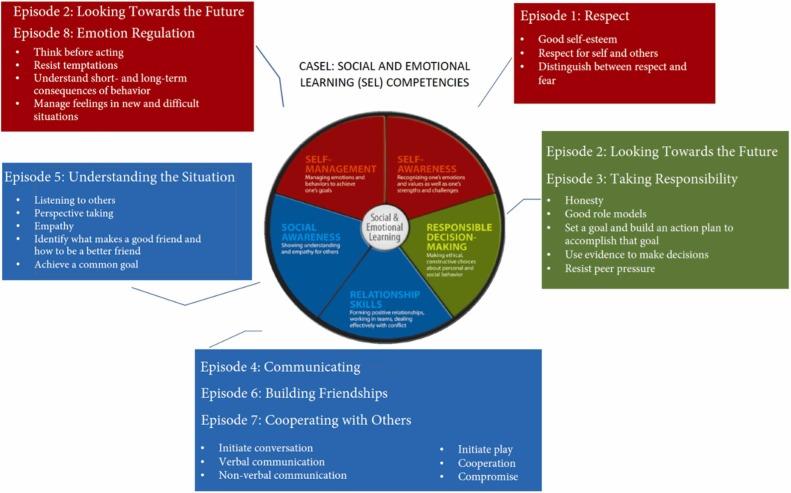
Social Emotional Learning, commonly referred to as SEL, is the process by which children and adults acquire and apply the knowledge, skills, and attitudes needed to manage emotions, establish positive relationships, demonstrate empathy, set goals, and make responsible decisions. Leading organizations, such as CASEL (Collaborative for Academic, Social, and Emotional Learning), have identified five core competencies of SEL:
- Self-awareness
- Self-management
- social awareness
- Relationship skills
- Responsible decision-making
Integrating SEL into daily classroom routines enhances not only academic outcomes but also mental health, school climate, and lifelong success.
Why SEL Matters: The Benefits for Schools and Students
The importance of SEL in schools cannot be overstated. Research consistently highlights that comprehensive SEL programs yield important benefits, such as:
- Improved academic performance: Students in schools with strong SEL programs score 11 percentile points higher on standardized achievement tests.
- Better classroom behaviour: SEL fosters positive habits, cooperation, and conflict resolution skills, leading to a safer learning environment.
- Long-term mental health: Equipping students with emotional intelligence supports resilience, reducing risks of anxiety, depression, and bullying.
- Thriving school culture: Schools that prioritize SEL experience better teacher-student relationships, lower absenteeism, and higher community engagement.
Key Trends Shaping the future of SEL in Schools
As we look toward the future, several prominent trends are influencing how SEL will evolve in schools. Awareness of these developments can help educators and administrators prepare for lasting impact.
1. Integration of SEL into Academic Curriculum
Modern SEL strategies emphasize seamless integration with core academic subjects. Rather than isolated lessons, SEL is being woven into mathematics, language arts, and science.For example, lessons in literature now frequently include discussions about empathy and viewpoint-taking, while collaborative science projects teach problem-solving and communication skills.
2. Leveraging Technology for SEL Growth
Edtech is transforming SEL delivery, making it more accessible and engaging:
-
Interactive apps and online platforms help students reflect on emotions and build social skills in real-time.
-
Data analytics offer teachers insights into student emotional wellbeing, enabling timely and targeted support.
-
Virtual reality (VR) simulations enable students to safely practice conflict resolution and empathy from multiple viewpoints.
These digital tools ensure SEL remains inclusive and adaptive to the needs of diverse learners.
3. Focus on Equity and Cultural Responsiveness
The future of SEL is inherently linked to equity. Schools are now embedding culturally responsive SEL practices to ensure every student’s background is respected and valued. Programs sensitive to racial, socio-economic, and cultural differences bridge achievement gaps and foster a sense of belonging across school communities.
4. Family and Community Involvement
SEL doesn’t stop at the school gate. Schools are building partnerships with families and community organizations, ensuring SEL messages are reinforced at home. Family education workshops, community mentoring, and holistic support services create a unified ecosystem for student growth.
5. Whole-Child Approach and Staff Well-Being
Research underscores that enduring SEL extends beyond students to teachers and staff. Prioritizing adult SEL builds emotionally intelligent role models and nurtures a positive school climate. Wellness initiatives, staff training, and reflective practices benefit the entire educational ecosystem.
Practical Steps: Implementing SEL for Lasting Impact
For SEL to have a meaningful and enduring effect, schools should consider the following actionable strategies:
- Adopt evidence-based SEL programs: Choose curricula backed by research and proven effectiveness for your specific student population.
- Make SEL a schoolwide priority: Set clear goals, allocate resources, and embed SEL into your school mission and advancement plans.
- Invest in professional progress: Ensure educators are trained and confident in delivering SEL content and practicing self-care.
- Engage families and communities: Offer regular SEL workshops and communication channels for parents and caregivers.
- Measure progress and outcomes: Use surveys, observations, and academic data to track SEL implementation and impact—refining as needed.
Case Study: SEL Conversion in Action
consider the journey of Pinecrest Elementary, a mid-sized urban school that embraced SEL deeply following a surge in behavioral incidents and declining test scores. Here’s how their approach paid off:
-
Staff completed intensive training on trauma-informed teaching and SEL integration.
-
Daily SEL circles provided students with a safe space to express feelings and practice social skills.
-
Parents received SEL toolkits and participated in monthly family nights on empathy and conflict resolution.
-
Within two years, behavioral referrals dropped by 35%, and reading scores improved by 18%.
“It’s like the whole school started speaking a common language of respect,” shares one Pinecrest teacher.
First-Hand Experience: A Teacher’s perspective
Ms. Thompson, a fourth-grade teacher, describes how small shifts made a huge difference in her classroom:
“Starting our mornings with a two-minute check-in and breathing exercise set the tone for kindness and focus all day. I saw my students becoming more empathetic and confident with every month.”
Her observation highlights the transformative power of consistent, intentional SEL practices.
Addressing Challenges to SEL Expansion
Despite its promise, SEL implementation isn’t without obstacles. Common challenges include:
- Lack of time: Competing academic priorities may push SEL down the agenda. Creative scheduling and integration can help.
- Staff buy-in: Some educators are skeptical of new initiatives. Ongoing professional development and sharing data-driven results build support.
- Resource constraints: Not every school has access to SEL materials or specialists. Free online resources and peer-learning networks offer alternatives.
Overcoming these barriers requires commitment, patience, and a growth mindset.
Next Steps for Lasting SEL Impact
Ensuring sustainable SEL in schools involves continuous improvement. Consider these next steps:
-
Build SEL into policy and accountability systems at district and state levels
-
foster cross-sector collaboration with mental health and youth organizations
-
Leverage student leadership and voice in the development of SEL initiatives
-
Regularly review and adapt SEL to align with emerging societal challenges
Future-ready SEL is proactive, collaborative, and ever-evolving.
Conclusion: Building a Brighter Future with SEL
The future of SEL in schools is filled with potential for shaping resilient, empathetic, and high-achieving students. By embracing innovative trends, committing to equity and community engagement, and equipping both educators and learners with essential life skills, schools can drive lasting change. The journey toward more emotionally intelligent and inclusive learning environments starts today—and positively impacts generations to come.