
The Future of SEL in Schools: Key Trends and Next Steps for Social-Emotional Learning
Social-Emotional Learning (SEL) has become an essential pillar of modern education. As schools strive to address the holistic needs of students,SEL is evolving rapidly,supported by innovative approaches,research-backed practices,and technology. But what does the future of SEL in schools look like, and how can educators, parents, and policymakers prepare? In this article, we’ll explore the key trends shaping SEL, its benefits, practical implementation tips, and the next steps–all designed to help you stay ahead in the journey toward transformative learning.
What Is Social-Emotional Learning (SEL)?
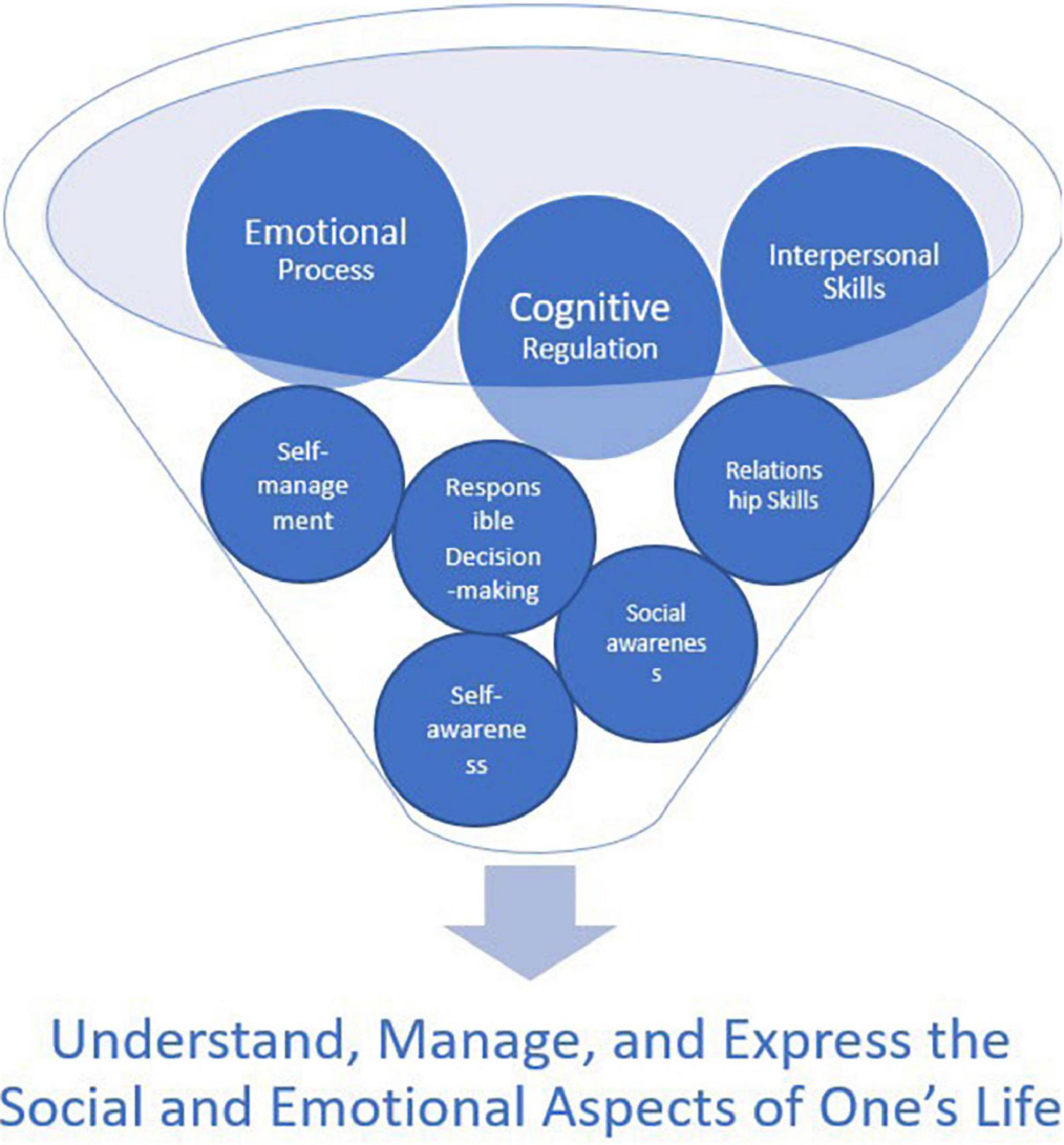
Social-emotional Learning refers to the process by which individuals, both young and adult, acquire and apply the knowledge, skills, and attitudes necessary to understand and manage emotions, establish positive relationships, make responsible decisions, and set and achieve positive goals. The core SEL competencies, according to the Collaborative for academic, Social, and Emotional Learning (CASEL), are:
- Self-awareness
- Self-management
- Social awareness
- Relationship skills
- Responsible decision-making
Why SEL Matters: The Benefits
The importance of SEL in schools cannot be overemphasized. Numerous studies have demonstrated that integrating SEL into the curriculum:
- Improves academic performance and motivation
- Reduces behavioral problems and emotional distress
- Enhances student engagement and school climate
- Prepares students for college, careers, and citizenship
- Promotes equity and inclusivity in the classroom
Key Trends Shaping the Future of SEL in Schools
As education evolves in the 21st century, so does SEL. Here are the major trends we can expect to play a pivotal role in the future of SEL in schools:
1. integration with Academic Learning
Rather than existing as a standalone subject, future SEL initiatives are increasingly being woven throughout core curricula such as math, science, language arts, and history. By integrating social-emotional learning activities into academic lessons, educators can help students make connections, build context, and apply SEL skills in real-world situations.
2. Leveraging Technology for SEL
The rise of educational technology offers exciting possibilities for SEL.Digital SEL platforms, gamified apps, and AI-powered feedback tools are helping teachers track progress, deliver personalized lessons, and engage digital-native learners. Virtual reality (VR) experiences are also being piloted to foster empathy,conflict resolution,and active listening.
3. SEL for Equity and Inclusion
The SEL movement is evolving to better support diverse student populations. culturally responsive SEL considers students’ unique backgrounds, values, and identities, aiming to create more equitable and inclusive learning environments. Schools are increasingly partnering with families and communities to inform SEL programs.
4. Focus on Mental Health and Well-being
The global health crisis heightened awareness of student mental health. Schools are now prioritizing SEL as a preventive and supportive response, embedding wellness checks, mindfulness practices, and trauma-informed care into daily routines.
5. Adult SEL: Supporting Teachers and Staff
The future of SEL emphasizes the well-being of educators as much as students. Professional progress for teachers now includes SEL competencies, stress management, and self-care strategies, recognizing that adults who model SEL foster deeper learning for their students.
6. Data-Driven SEL Assessment
Schools and districts are turning to evidence-based frameworks to measure the impact of SEL programs. Valid and reliable assessment tools help ensure continuous improvement, demonstrate outcomes, and guide investment in effective strategies.
Case Studies: SEL in Action
Let’s look at two pioneering examples of schools leading the future of SEL implementation:
CASEL District Partnership program
Districts collaborating with CASEL have implemented comprehensive SEL frameworks, resulting in:
- Meaningful reductions in expulsions and suspensions
- Improved school climate and teacher satisfaction
- Higher academic achievement among students
San Francisco Unified School District (SFUSD)
SFUSD integrated SEL with academic teaching across over 140 schools, focusing on culturally aware practices. Outcomes included:
- Increased positive behavior and student engagement
- Growth in teacher confidence and SEL skillsets
- Enhanced collaboration between families and staff
Practical Tips for Effective SEL implementation
Wondering how to bring the future of social-emotional learning into your school? Here’s how to lay a strong foundation:
- Embed SEL in Everyday Lessons: Start small, using morning meetings, group projects, or reflective writing to spark SEL discussions.
- Involve Everyone: Bring together administrators, teachers, support staff, families, and students for a collaborative approach to SEL.
- Leverage Technology Carefully: use vetted digital SEL tools and apps to supplement–not replace–human interaction and classroom connection.
- Professional Development: Prioritize ongoing training for educators to build their own SEL competencies and best practices for the classroom.
- Culturally Responsive approaches: Adapt SEL materials and strategies to honor the diverse backgrounds, values, and experiences of all students.
- Assess and Reflect: Regularly use evidence-based SEL assessments, and adapt your approach based on student growth and feedback.
- Promote Student Voice: give students leadership roles in designing, facilitating, and reflecting on SEL activities.
First-Hand Experience: Teachers on SEL’s Impact
“Since we implemented SEL lessons, my students are more engaged and respectful. I notice them helping each other through conflicts and being honest about their emotions.”
–Ms. Jefferson, 4th Grade Teacher
“Professional development in SEL principles has made me a better listener, not just for my students, but also my colleagues. It’s a game-changer for our school culture.”
–Mr. Lee, High School Counselor
Next Steps for Advancing SEL in schools
As schools look to the future, several key next steps will ensure SEL remains a cornerstone of student success:
- Advocate for Policy Support: Encourage state and federal policies that fund and mandate SEL implementation and research.
- scale Up What Works: Expand successful programs and share best practices across schools and districts.
- Build Community Partnerships: Involve local organizations, mental health professionals, and families in designing responsive SEL initiatives.
- Prioritize Continuous Improvement: Regularly analyze data, reflect on outcomes, and adjust strategies to meet evolving needs.
Conclusion: Embracing the Future of SEL in Schools
Social-Emotional Learning is not a trend, but a lasting movement that empowers educators, strengthens communities, and prepares students for an ever-changing world. As we look to the future of SEL in schools, it’s evident that the integration of technology, comprehensive curricula, a focus on equity, and a commitment to mental well-being will drive impactful change. By staying informed, adaptable, and collaborative, schools can ensure every student thrives academically, emotionally, and socially.
Ready to transform your school’s SEL journey? Stay engaged with the latest news, resources, and proven tools–and be part of shaping a brighter, more inclusive future for the next generation.