
The Future of SEL in Schools: Key Trends and next Steps for Success
As education evolves in response to an increasingly digital and interconnected world, Social Emotional Learning (SEL) has emerged as a vital component in shaping triumphant, resilient learners. The future of SEL in schools promises innovative approaches, wider implementation, and an even greater focus on student well-being. In this extensive guide, we explore the key trends driving SEL, the benefits for students and educators, impactful case studies, and strategic next steps for success. Whether you’re a teacher,school administrator,or a parent,understanding SEL’s trajectory is essential for preparing our children for tomorrow’s challenges.
What is Social Emotional Learning (SEL)?
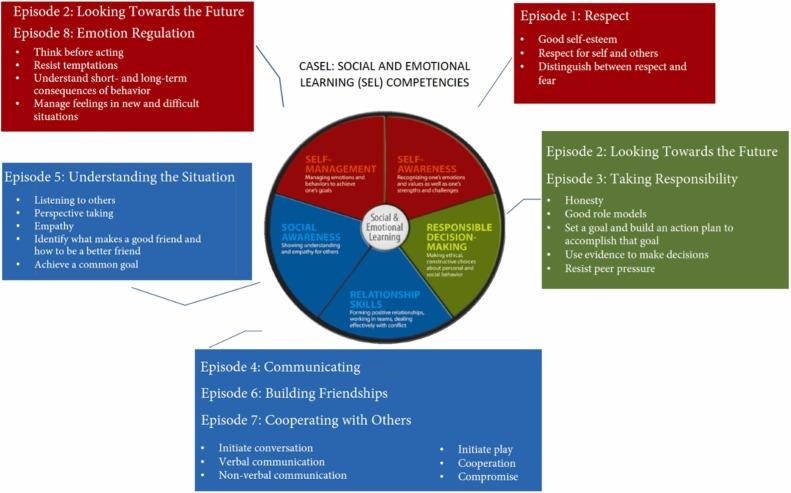
Social Emotional Learning (SEL) is the process through which students acquire and apply the knowledge, skills, and attitudes necessary to understand and manage emotions, set and achieve positive goals, show empathy, establish healthy relationships, and make responsible decisions. SEL is recognized for its role in enhancing both academic achievement and overall life success.
The Importance and Benefits of SEL in Schools
implementing SEL programs in schools offers transformative benefits to students, educators, and communities:
- Improved Academic Performance: SEL contributes to better focus and classroom participation, leading to higher grades and test scores.
- Enhanced Emotional Regulation: Students learn to manage stress, anger, and disappointment more effectively.
- Positive School Climate: SEL fosters a supportive and inclusive surroundings, reducing bullying and behavioral issues.
- Stronger Relationships: students and teachers develop empathy, interaction, and collaboration skills.
- Long-term Life Skills: SEL teaches resilience, problem-solving, and responsible decision-making that support success beyond school.
Key Trends shaping the Future of SEL in Schools
As SEL moves forward, several notable trends are influencing how it will be integrated and prioritized:
1. Digital and Remote SEL Solutions
- Growth of SEL apps and platforms making programs accessible from anywhere.
- Incorporation of virtual classrooms and online resources.
- Increased use of AI-driven tools to personalize SEL experiences.
2. Equity-Focused SEL Practices
- SEL frameworks designed to be culturally responsive.
- Programs tailored for underserved and marginalized communities.
- Greater emphasis on student voice and choice in SEL curriculum.
3. Data-Driven SEL Assessment
- Use of real-time data to assess SEL progress and adjust interventions.
- Interactive dashboards for teachers and administrators.
- research-backed metrics aligning SEL outcomes with academic achievement.
4.Whole-school SEL Integration
- Embedding SEL across all subjects and grade levels, not just in isolated programs.
- Professional advancement emphasizing SEL for teachers and staff.
- Family and community engagement as partners in SEL initiatives.
5. Policy and Federal Support
- Increased funding and legislation focused on whole-child development.
- State Departments of Education establishing SEL standards.
- Advocacy for accountability measures supporting SEL.
Practical Tips for Effective SEL Implementation
To maximize the impact of SEL,schools should consider these actionable strategies:
- Start Schoolwide: Integrate SEL into school culture,policies,and daily routines.
- Engage Stakeholders: Involve parents, caregivers, and community leaders in SEL goal-setting.
- Provide Ongoing Training: Invest in regular SEL professional development for staff.
- Utilize Diverse Resources: Use interactive digital tools, storytelling, and hands-on activities.
- Monitor and Adjust: Regularly assess SEL programs and adapt based on feedback and outcomes.
- Celebrate Success: Share stories of SEL impact,reward positive behaviors,and showcase role models.
Case Studies: SEL Success Stories in Action
Case Study 1: Urban Elementary School SEL Transformation
An elementary school in a diverse urban district implemented a schoolwide SEL curriculum. Over three years, disciplinary incidents decreased by 60%, and standardized test scores increased by 20%. Students reported feeling more connected to their teachers and peers, and parents saw noticeable improvements in emotional regulation at home.
Case Study 2: SEL in Virtual Learning
During the COVID-19 pandemic, a suburban middle school launched an online SEL program with live sessions, digital journals, and check-ins. Students maintained engagement,participated in virtual group projects,and reported reduced feelings of isolation. Teachers noted improved resilience and adaptability among students.
Case Study 3: Rural High School Collaborative approach
A rural high school incorporated SEL frameworks into project-based learning and partnered with local community organizations. The result: higher graduation rates, lower absenteeism, and increased student leadership. Community members praised the positive behavioral changes and teamwork skills reflected outside the classroom.
First-Hand Experience: Teachers and Students Reflect on SEL
According to recent surveys, 78% of teachers noted that SEL practices help them build deeper relationships with students and support diverse learners effectively. Students, meanwhile, reported that SEL activities made them feel heard, respected, and empowered to tackle challenges both academically and personally.
“SEL activities have changed how I approach conflict and friendships at school. I’ve learned to think before I react and express myself better!”
— Julia, Grade 7 student
Next steps for SEL Success: Building Enduring Programs
For schools aiming to strengthen Social Emotional Learning, here are strategic next steps:
- Conduct Needs Assessment: Evaluate current SEL practices, gaps, and school climate.
- Develop a Vision and Goals: Establish clear objectives aligning with academic and well-being outcomes.
- Form Leadership Teams: Create cross-functional teams to champion SEL initiatives schoolwide.
- Leverage Community Partners: Partner with organizations for resources, expertise, and student support.
- Plan for Program Sustainability: Secure funding, maintain ongoing training, and ensure SEL remains embedded in all aspects of school life.
Conclusion: The Road Ahead for SEL in Schools
The future of SEL in schools is bright,characterized by innovation,inclusivity,and evidence-based strategies. As districts adopt digital tools, promote equity, and collaborate with families and communities, students will benefit from holistic support—academically, emotionally, and socially. By staying attuned to emerging trends and investing in sustainable SEL programs, educators can pave the way for resilient, empathetic learners who are prepared to thrive in the twenty-first century.
Ready to transform your school’s approach to SEL? Explore the latest resources, connect with SEL champions, and join the movement for student well-being and success.