
The Impact of Parental Involvement on Social-Emotional Learning: Strategies and Benefits
In today’s evolving educational landscape, social-emotional learning (SEL) has become a basic aspect of childhood development. While schools play a critical role,research increasingly shows that parental involvement profoundly shapes children’s social and emotional growth. this article delves into how parents can effectively support SEL, explores the wide-ranging benefits of their engagement, and provides actionable strategies to nurture confident, resilient, and empathetic individuals.
What is Social-Emotional Learning?
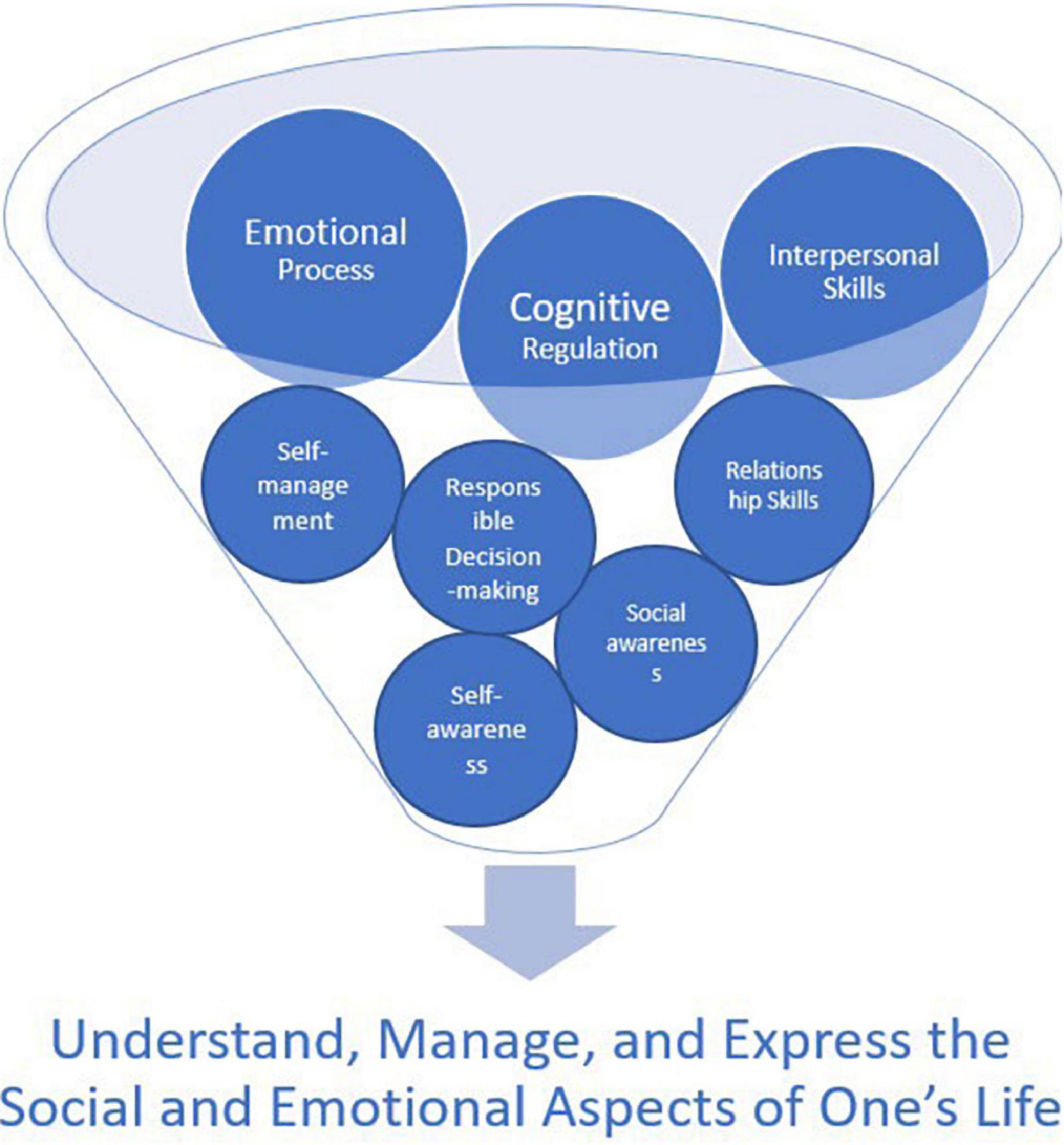
Social-emotional learning refers to the process through which children—and adults—develop essential skills for understanding and managing emotions, setting goals, showing empathy, establishing positive relationships, and making responsible decisions. Core competencies of SEL include:
- self-awareness
- Self-management
- Social awareness
- Relationship skills
- Responsible decision-making
When these skills are fostered both at home and at school,children become better equipped to navigate challenges and thrive academically,socially,and emotionally.
Why Parental Involvement Matters in Social-emotional Learning
Parents are a child’s first teachers. Their actions, attitudes, and emotional guidance significantly impact how children perceive themselves and interact with others. according to numerous studies, children whose parents actively participate in their social-emotional development exhibit higher self-esteem, stronger relationship-building skills, and improved academic performance.
Key Benefits of Parental Involvement in SEL
- Enhanced Emotional Intelligence: Children learn to recognize and regulate their feelings more effectively through modeled behaviors and open interaction at home.
- Better Academic Outcomes: SEL skills such as self-control and motivation contribute directly to classroom engagement and academic achievement.
- Reduced behavioral Issues: With strong parental support, children develop resilience and are less likely to exhibit bullying, anxiety, or aggression.
- Positive Peer Relationships: Children mirror the empathy and conflict-resolution strategies observed in their parents, leading to healthier social interactions.
- Long-term Well-being: Early SEL support from parents sets a foundation for mental health and adaptability in adulthood.
Effective Strategies for Parents to Support Social-Emotional Learning
Fostering SEL doesn’t require complex interventions—it thrives on daily, meaningful interactions. Here are proven strategies for parents to support SEL at home:
-
Model Emotional Awareness:
Express your own feelings in healthy, constructive ways. Use phrases like “I feel frustrated right now, so I’m going to take deep breaths,” showing children that experiencing emotions is normal and manageable.
-
Have Open Conversations:
Regularly ask your child how they feel and listen attentively. Encourage honest discussions about their experiences at school and with friends.
-
Practice Problem-Solving Together:
When conflicts arise, guide your child through identifying solutions and evaluating possible outcomes, rather than giving them direct answers.
-
Establish Consistent Routines:
Predictable routines provide children with a sense of security, helping them self-manage transitions and stress.
-
Encourage Empathy:
Highlight the feelings of others through stories, movies, and real-life situations. Ask “How do you think they feel?” to prompt viewpoint-taking.
-
Promote Positive Relationships:
Create opportunities for cooperative play and teach sharing, turn-taking, and gratitude within the family.
-
Collaborate with Educators:
Communicate regularly with your child’s teachers to stay informed about SEL initiatives at school,ensuring consistent reinforcement at home.
Integrating Parental Involvement and SEL in the Classroom
Educators and schools can actively invite parents into the social-emotional learning process. Consider these methods to strengthen the home-school SEL partnership:
- SEL Workshops for Parents: Host information sessions or webinars describing SEL programs and sharing practical tips for reinforcement at home.
- Family Engagement Activities: Offer take-home activities or family SEL challenges that encourage collaboration and discussion.
- Regular Communication: Update parents on SEL progress and milestones using newsletters, emails, or parent-teacher conferences.
- Resource Sharing: Provide parents with recommended books, videos, or interactive apps centered on emotional intelligence and social skills.
Real-Life Examples: Parental Involvement in Action
To demonstrate how parental engagement impacts social-emotional growth, let’s explore some real-world examples:
Case Study: Building Empathy at Home
A primary school in California introduced a “Feelings Jar” activity for families. Parents wrote down their emotions at the end of each day and encouraged children to do the same. The results? children improved their emotional vocabulary and handled peer disagreements with far more empathy.
First-Hand Experience: Parent-Led SEL Projects
In a New York community center, parents partnered with teachers to create a monthly “Kindness Calendar.” Families tracked acts of kindness, discussed challenges, and celebrated successes. The initiative not only boosted positive behaviors but also strengthened family bonds and increased parents’ confidence in supporting SEL at home.
Tips for Overcoming Common Barriers to Parental involvement
While most parents want to support their child’s social-emotional learning, obstacles such as busy schedules or a lack of understanding about SEL can get in the way. Try these practical solutions:
- Start Small: Even just 10 minutes a day of shared reflection or mindful activities can yield benefits.
- Leverage Everyday Moments: Use car rides, bedtime, or mealtime conversations for meaningful SEL discussions.
- Seek Guidance: Don’t hesitate to reach out to educators or school counselors for resources or support.
- Embrace Mistakes: No one’s perfect. Modeling how to learn from mistakes is itself a powerful SEL lesson for your child.
The Lasting Impact: Fostering Social-Emotional Growth for Years to Come
The evidence is compelling: Parental involvement in social-emotional learning equips children with the confidence, self-awareness, and empathy needed to navigate life’s complexities. When parents and educators join forces, SEL becomes an integrated aspect of a child’s world, preparing them for long-term happiness and resilience.
Start today by embracing open conversations, modeling healthy behaviors, and nurturing a supportive surroundings at home. Remember, every positive interaction is a building block for your child’s future success—not just academically, but in all areas of life.
“Children are more likely to flourish when their parents engage in their learning and well-being—socially, emotionally, and academically.”