
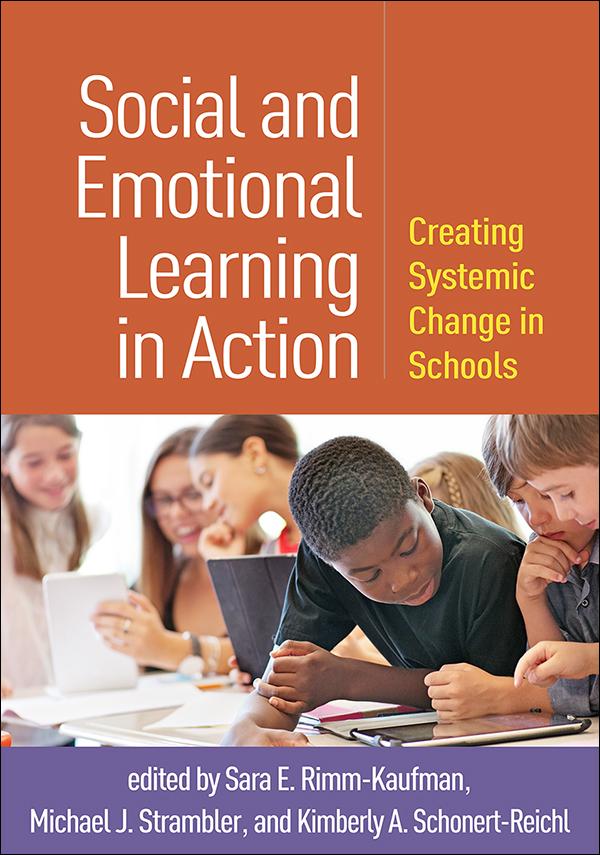
The Impact of Parental Involvement on Social-Emotional Learning: Strategies for Success
Social-emotional learning (SEL) has gained notable attention in educational circles in recent years, as research consistently shows its profound influence on academic achievement, behavior, and lifelong well-being. While schools play a vital role in promoting social-emotional competencies, the impact of parental involvement on social-emotional learning cannot be overstated. A strong partnership between parents and educators leads to the greatest success for children, both in and out of the classroom. In this thorough article,we explore the connection between parental engagement and SEL,discuss proven strategies for success,and share practical tips and real-world examples that can empower families and educators alike.
What is Social-Emotional Learning?
Social-emotional learning refers to the process thru which children acquire and effectively apply the knowledge, attitudes, and skills necessary to understand and manage emotions, set and achieve positive goals, feel and show empathy for others, establish and maintain positive relationships, and make responsible decisions. The five key components of SEL as defined by CASEL (Collaborative for Academic, Social, and Emotional Learning) are:
- Self-Awareness
- Self-Management
- Social Awareness
- Relationship Skills
- Responsible Decision-Making
Building robust social-emotional skills enables children to navigate everyday challenges, resolve conflicts, and thrive in diverse environments.
Why is Parental Involvement Vital in SEL?
Parental involvement is a cornerstone in fostering social-emotional learning. When parents and caregivers actively support their children’s SEL growth at home and collaborate with schools, children are more likely to exhibit positive behaviors, strong social skills, and emotional resilience. Supporting research indicates that children with engaged parents perform better academically, have fewer behavioral problems, and develop stronger emotional intelligence.
Main Ways parental Involvement Influences SEL:
- Role Modeling: children mirror parental social behaviors, communication styles, and emotional responses.
- Emotional Support: A nurturing surroundings helps children feel secure and valued, essential for social-emotional growth.
- Consistent communication: Open conversations about feelings and challenges set the foundation for empathy and self-regulation.
- Collaboration with Educators: Engaged parents reinforce SEL lessons taught in school, ensuring consistency across home and classroom settings.
The Benefits of Parental Involvement in Social-Emotional Learning
The positive impact of parental involvement in social-emotional learning extends far beyond the formative years. Here are some key benefits:
- Improved academic Performance: Children with supportive parents tend to have higher grades and standardized test scores.
- Increased confidence & Self-Esteem: Regular positive reinforcement from parents fosters a healthy self-concept.
- Better Behavior Management: Kids gain strategies for managing frustration, coping with stress, and resolving conflicts.
- Stronger Relationships: Social skills developed at home encourage healthy friendships and teamwork.
- Long-Term Well-Being: SEL skills supported by family involvement are linked to greater well-being and success into adulthood.
Strategies for Effective Parental Involvement in SEL
Implementing social-emotional learning at home can be both enjoyable and impactful. Here are proven strategies parents can adopt to support SEL development:
1.Foster Open Communication
- Encourage regular conversations about school, friendships, and emotions.
- Use active listening techniques: maintain eye contact, acknowledge feelings, and avoid judgment.
2. Practise Emotional Coaching
- Help your child identify, name, and express their emotions.
- Validate their feelings and guide them to manage big emotions constructively.
3. Model Positive Social-Emotional Behaviors
- Demonstrate empathy, patience, and respectful communication in daily interactions.
- Apologize or explain when emotions run high, showing that emotional management is a lifelong process.
4. Create Consistent Routines
- Establish daily routines that provide predictability and security.
- Include time for family activities, reflection, and conversations about the day.
5. Collaborate with Schools
- attend school meetings, SEL workshops, and conferences to learn more about your child’s curriculum.
- Work with educators to reinforce SEL goals and strategies at home.
6. Use Storytelling and Books
- Choose literature that illustrates social-emotional themes—such as friendship, empathy, or problem-solving.
- Discuss character actions and feelings to build understanding and empathy.
Practical Tips for Supporting SEL at Home
Integrating social-emotional learning into everyday life doesn’t require special training. Here are some practical,actionable tips:
- Start a Gratitude Journal: Encourage children to write or share what they’re thankful for each day.
- Normalize mistakes: Discuss setbacks openly and encourage a growth mindset.
- Play Games: Board games and cooperative activities teach turn-taking, patience, and teamwork.
- Practice Mindfulness: Simple breathing exercises or short meditation sessions build self-awareness and reduce stress.
- Set Family Goals: Agree on values and resolutions as a family, tracking progress and celebrating successes together.
Case Studies: Real-Life Examples of Parental Engagement in SEL
To illustrate the profound impact of parental involvement in SEL, consider the following real-world examples:
Case Study 1: The Power of Daily Check-Ins
The Johnson family began holding daily “emotion check-in” sessions at the dinner table. Each family member took turns describing how they felt during the day and explaining why. Over several months, not only did their children learn to articulate complex emotions more clearly, but the family also noted an increase in empathy and a deeper emotional connection among siblings.
Case Study 2: Working with Teachers for Consistency
When the Ramos family learned that their daughter’s school introduced a conflict resolution program,they requested resources to use at home. By practicing the same “stop, think, and talk” strategy at home as at school, their daughter developed improved self-control and was able to apply her skills in different settings.
case Study 3: Overcoming Social Anxiety Together
A single mother,Maria,noticed her son struggling with social interactions after moving to a new city. She reached out to school counselors and implemented weekly role-playing games at home to practice introductions and conversations. Through their partnership, her son gradually gained the confidence to make new friends and participate in group activities.
Frequently Asked Questions About Parental Involvement in SEL
- How much time do parents need to dedicate to SEL?
- Even small, consistent efforts—such as a five-minute daily conversation—can make a difference over time. The key is consistency, rather than duration.
- What are signs of strong social-emotional skills in children?
- Look for behaviors such as expressing emotions appropriately, resolving conflicts peacefully, demonstrating empathy, and persisting through challenges.
- Can SEL strategies help with behavioral problems?
- Yes, SEL empowers children to manage their emotions, communicate needs, and make responsible choices, often resulting in improved behavior.
Conclusion: Building a Stronger SEL Foundation together
Parental involvement in social-emotional learning is essential in shaping well-rounded,resilient,and emotionally bright children. Families can make a meaningful impact by modeling positive behaviors,fostering open communication,and collaborating with educators. Embracing strategies for effective parental engagement in SEL equips children with the tools needed for lifelong success, inside and outside the classroom. Remember, the journey of social-emotional development is ongoing—and with unwavering parental support, every child can flourish.