
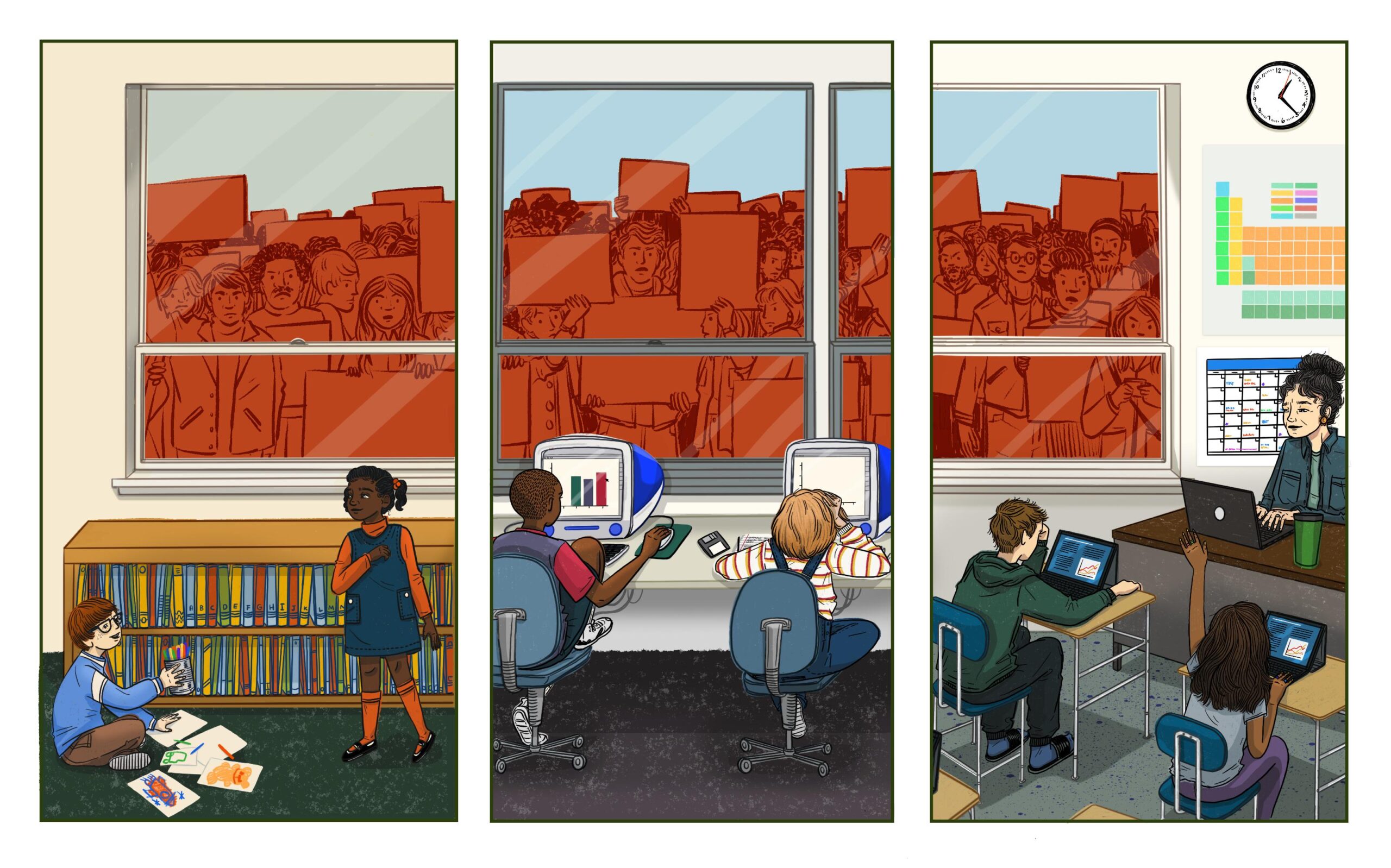
The next Frontier: Future Directions for SEL in Schools
Social and Emotional Learning (SEL) has moved from the periphery of educational conversations to their very core. As schools increasingly recognize the vital role that SEL plays in student well-being and academic success,it’s clear that the future holds exciting new possibilities. This article explores the next frontier of SEL in schools, delving into innovative approaches, future trends, and actionable recommendations for educators, parents, and policymakers. Whether you’re a teacher, administrator, or education advocate, join us as we uncover what’s next for SEL in today’s rapidly evolving educational landscape.
What is Social and Emotional Learning (SEL)?
Before we look ahead, let’s briefly revisit the fundamentals. Social and Emotional Learning (SEL) teaches students to understand and manage emotions, set positive goals, show empathy, establish positive relationships, and make responsible decisions. It’s all about nurturing the whole child, not just focusing on academics.
- Self-awareness: Recognizing personal emotions and values.
- Self-management: Regulating emotions and behaviors.
- Responsible decision-making: Making ethical,constructive choices.
- Relationship skills: Building healthy, rewarding connections.
- Social awareness: Showing understanding and empathy for others.
The benefits of SEL are broad—studies show it improves academic performance, reduces emotional distress, and promotes pro-social behavior.
Emerging Trends: The Future of SEL in Schools
So, where is SEL headed? The next frontier for SEL in schools involves harnessing technology, broadening inclusivity, and integrating SEL across curricula.here are the key trends shaping the future:
1. Technology-Driven SEL
Edtech is transforming how SEL is delivered, making it more interactive and accessible. future directions for SEL in schools include:
- SEL apps and platforms: Digital tools that offer interactive lessons, real-time feedback, and personalized progress tracking.
- Virtual reality (VR) and augmented reality (AR): VR/AR experiences help students practice empathy or conflict resolution in immersive environments.
- Data-informed instruction: Using analytics to tailor SEL interventions to individual needs and progress.
2. SEL for All: Diversity, Equity, and Inclusion
Modern SEL programs are evolving to address issues of diversity, equity, and inclusion (DEI). the future will prioritize:
- Culturally responsive SEL curricula that reflect students’ lived experiences and backgrounds.
- Trauma-informed practices to better support students who have experienced adversity.
- Worldwide access to SEL: making sure every student, from every background, benefits from high-quality SEL instruction.
3.Whole-School and Community Integration
The next stage of SEL emphasizes a whole-school approach, where SEL is embedded in every layer of the school surroundings and culture:
- Integrating SEL into academic courses (math, science, language arts, etc.)
- Training for administrators,teachers,and support staff in SEL best practices
- Engaging families and the broader community in SEL initiatives
4. Lifelong SEL: Beyond the Classroom
Future-focused SEL programs recognize that these essential skills aren’t just for students—they’re lifelong skills that benefit adults and society as a whole:
- Adult SEL: Supporting teacher well-being to prevent burnout and model SEL skills.
- Career readiness: Integrating SEL with 21st-century skills like collaboration, critical thinking, and emotional intelligence.
- Transition support: Bringing SEL into college and workforce readiness programs.
Benefits of Forward-Thinking SEL Strategies
Embracing the next frontier of SEL in schools brings meaningful short- and long-term benefits:
- Higher academic achievement: Students with strong SEL skills show improvement in grades and standardized test scores.
- Better mental health: Reduced anxiety, depression, and behavioral problems.
- Safe and supportive school climates: Improved relationships and reduced bullying or exclusion.
- enhanced life readiness: SEL prepares students for success in college, careers, and civic life.
Practical Tips: How to Advance SEL in Your School
As SEL expands, here are actionable ideas for educators, administrators, and policymakers:
For Schools and Teachers
- Integrate SEL across the curriculum:
- Infuse SEL themes into everyday lessons.
- Use read-alouds, storytelling, and group projects to foster emotional skills.
- Prioritize professional learning:
- Offer regular SEL training sessions for all staff members.
- Model SEL competencies in your interactions.
- Create safe spaces:
- Establish classroom routines that promote discussion and reflection.
- Implement restorative circles to solve conflicts.
For Parents and Families
- Engage in SEL activities at home: Practice empathy, problem-solving, and mindfulness during daily routines.
- Collaborate with educators: Attend SEL workshops and participate in school-family events.
- Model SEL: Demonstrate kindness, obligation, and self-regulation.
For Policy Makers
- Invest in SEL research: Support studies on best practices and program efficacy.
- Set SEL standards: Develop policies that embed SEL into educational standards.
- Promote equity: Fund initiatives that close SEL gaps for under-resourced communities.
Case Studies: Innovative SEL Programs in Action
Let’s look at real-life examples where future-facing SEL strategies are making a difference:
1. Austin Self-reliant school District, Texas
One of the early adopters of a district-wide SEL approach, Austin implemented SEL not only as standalone lessons but also integrated these skills into every aspect of students’ school lives. This resulted in:
- Improved graduation rates
- Decreased disciplinary referrals
- Greater teacher and student satisfaction
2. San francisco Unified School District: Tech-Enhanced SEL
Partnering with education technology companies, this district rolled out an app-based SEL curriculum that allowed for personalized progress tracking, interactive videos, and instant feedback. student engagement soared, and teachers found it easier to identify who needed extra support.
3. CASEL’s Collaborating Districts Initiative
Through the Collaborative for Academic, Social, and Emotional Learning (CASEL), dozens of school districts are piloting comprehensive SEL models, sharing data, and developing best practices that inform national policies.
Voices from the Classroom: First-Hand Experience with SEL evolution
“As a middle school teacher, I’ve seen firsthand how technology enhances SEL. We use virtual reality scenarios for practicing conflict resolution.Students are more engaged and thoughtful about their responses,and peer interactions have gotten much smoother.” – Rachel T.,Grade 7 Teacher
“The integration of SEL into math and science—subjects not usually linked with emotions—has transformed the way students collaborate and solve problems together.” – James L., Curriculum Coordinator
The Road Ahead: Challenges and Opportunities
while the future of SEL in schools is promising, challenges remain:
- Ensuring equitable access to technology and training for all communities
- Continuous evaluation to measure effectiveness
- Overcoming skepticism or resistance to change
The opportunities, however, are transformative—SEL can shape a generation that is emotionally intelligent, resilient, and prepared for the complex world ahead.
Conclusion: Preparing Students for the Next Frontier
The next frontier of Social and Emotional Learning is about more than simply adding new programs—it’s about reimagining education as a holistic, life-ready experience. By embracing technology, celebrating diversity, integrating SEL school-wide, and focusing on lifelong learning, we can build a foundation for happier, healthier, and more successful students. The future of SEL is radiant and brimming with possibility—let’s move forward together and make it a reality in every school, for every child.