
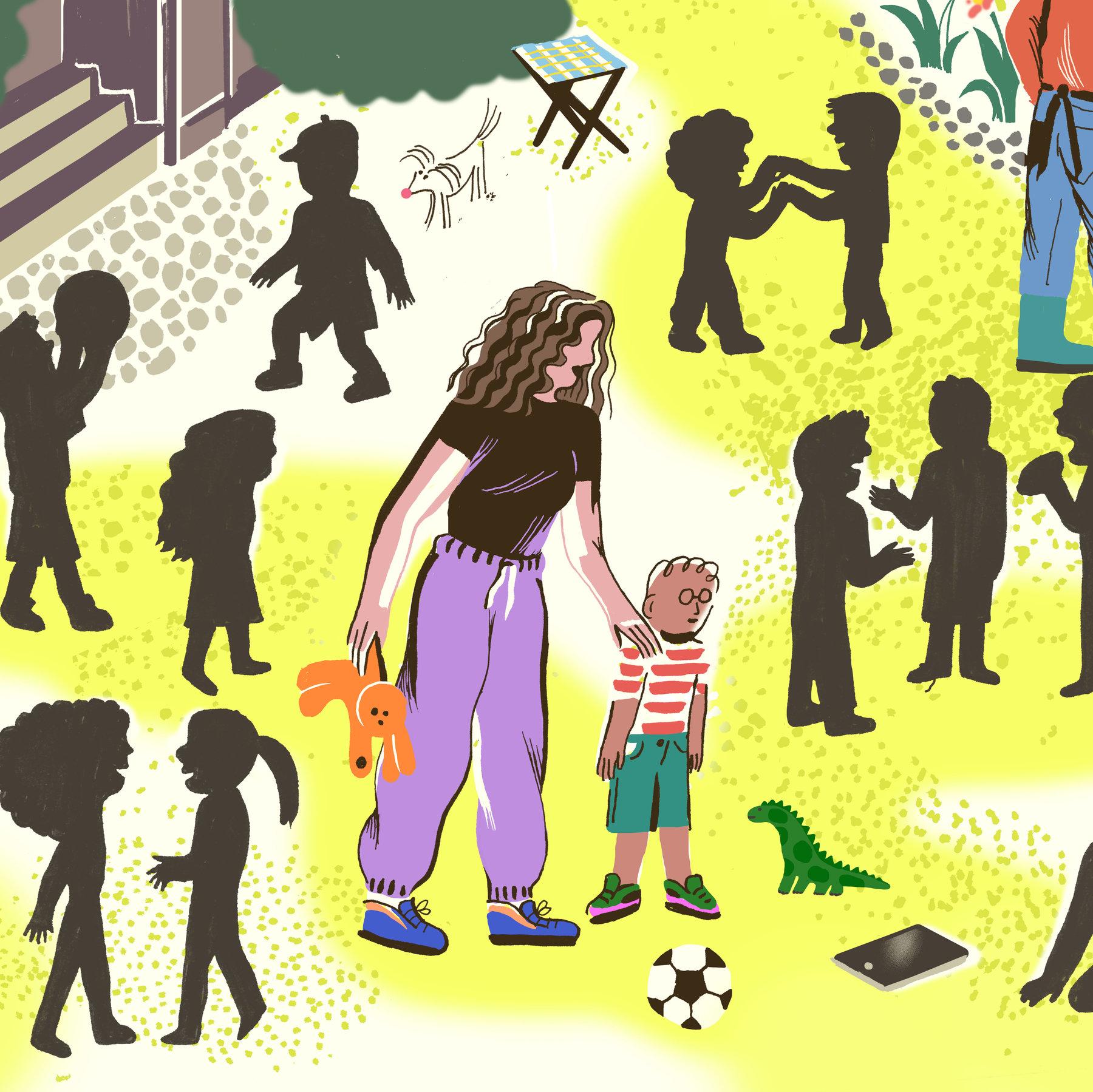
The Power of Parental Involvement in Social-Emotional Learning: Boosting Kids’ Success
In today’s rapidly changing world, social-emotional learning (SEL) has emerged as a crucial element in shaping not only academic achievement but the overall well-being of children. Educators and experts emphasize the power of SEL in nurturing emotionally intelligent, empathetic, and resilient individuals. But an often overlooked factor in this success story is the transformative role of parental involvement in social-emotional learning.
When parents actively engage in their child’s social-emotional development, the effects can be profound, promoting better relationships, self-regulation, and academic performance. in this article, we’ll explore what social-emotional learning truly means, why parental involvement is key, concrete benefits, actionable tips, and inspiring real-life examples. Get ready to empower your parenting journey and help your kids not only survive but thrive!
What is Social-Emotional Learning (SEL)?
Social-emotional learning is the process through which children and adults acquire and effectively apply the knowledge, skills, and attitudes necessary to:
- Understand and manage emotions
- Set and achieve positive goals
- Feel and show empathy for others
- Establish and maintain positive relationships
- Make responsible decisions
SEL is not just a set of classroom activities—it’s a holistic approach that integrates emotional intelligence, empathy, self-awareness, and interpersonal skills into daily life. School-based SEL programs are powerful, but their impact multiplies when supported by engaged, proactive parents at home.
Why is Parental Involvement So Powerful in SEL?
Parental involvement in SEL creates a bridge between school and home, ensuring consistent learning and reinforcement of significant emotional and social skills. Research shows that children whose parents are involved in their learning process—particularly their social-emotional growth—
experience:
- Increased academic performance
- Fewer behavioral problems
- Greater emotional regulation
- Stronger relationships with peers and adults
- Overall greater life satisfaction
When parents model positive emotional behaviors, practice active listening, and encourage open interaction, children are more likely to develop these skills themselves. Home becomes a safe space for trying new ways to express feelings and navigate challenges.
Key Benefits of Parental Involvement in Social-Emotional Learning
1. Improved Emotional Intelligence
Parents play a pivotal role in helping their children name and manage complex emotions. By practicing emotional literacy at home—discussing feelings, validating emotional experiences, and modeling appropriate coping mechanisms—parents lay the foundation for high emotional intelligence.
2. Enhanced Academic Achievement
Studies demonstrate a strong correlation between social-emotional skills and academic outcomes. When parents nurture self-discipline, resilience, and motivation in their children, students are better equipped to deal with setbacks, focus on learning, and maintain a positive attitude towards education.
3. Better communication & Conflict Resolution
Children learn constructive communication strategies and conflict resolution through daily interactions with parents. Practicing “I” statements, active listening, and empathy at home helps kids develop skills they will use throughout their lives.
4. Stronger Family Bonds
Engaging in regular SEL activities as a family fosters trust,understanding,and emotional safety.This not only boosts a child’s confidence but also strengthens the resilience of the entire family unit during challenging times.
Practical Tips: How Parents Can Foster Social-Emotional Learning at Home
Integrating social-emotional learning at home doesn’t require a formal curriculum or intricate tools. Small, intentional steps can make a big difference. Here are practical strategies parents can implement daily:
-
Model Emotional Awareness:
Verbally express your own feelings and demonstrate positive coping strategies, e.g., “I’m feeling frustrated, so I’m going to take a few deep breaths.”
-
Practice Active Listening:
When your child shares something—big or small—give them your full attention, repeat back what you’ve heard, and validate their experience.
-
Encourage Problem-Solving:
Rather of promptly fixing issues, ask guiding questions such as, “What do you think you could do next?” to build independence and confidence.
-
Role-Play Challenging Situations:
Use make-believe or real-life scenarios to practice handling conflict, making decisions, or expressing feelings assertively.
-
Praise Effort, Not Just Results:
Highlight your child’s perseverance, creativity, or kindness, rather than focusing solely on grades or outcomes.
-
Create an Emotion-Rich Surroundings:
Use books, games, and art to explore emotions together. Discuss characters’ feelings and choices in stories to connect SEL concepts to real life.
-
Set Consistent, Compassionate Boundaries:
Establish rules with empathy, explaining the “why” behind them, and be willing to adjust as your child grows and changes.
“what you do every day at home—even in the small moments—teaches your child more about emotions and relationships than any lesson from a textbook.”
Case Studies: Real-World Impact of Parental Involvement in SEL
case Study 1: Building Resilience through Routine
After noticing her daughter’s struggles with anxiety about school, one parent introduced a daily “feelings check-in” at breakfast. Over time,this simple routine gave the child language to express her worries,and together they brainstormed coping strategies,resulting in noticeable improvements in confidence and school engagement.
Case Study 2: Conflict Resolution skills in Action
A father and son regularly role-played challenging scenarios from the playground. By practicing assertive communication and empathy, the son felt better equipped to handle real conflicts, leading to healthier friendships and fewer problems at school.
Case Study 3: Academic Success Through Emotional Support
Research from the Collaborative for Academic, Social, and Emotional learning (CASEL) shows that students whose parents encourage reflection and goal-setting at home often outperform their peers academically and socially.
First-hand Experience: Words from Parents
Parents who invest in their children’s social-emotional learning frequently enough witness meaningful transformations. Here are a few reflections:
- Maria S., mother of two: “Once I started talking openly about my own emotions, my kids became more comfortable sharing theirs. Our home became more peaceful and connected.”
- Samir A., father of a 10-year-old: “Practicing problem-solving together brought us closer, and my child now approaches challenges with much more confidence.”
- Li W., parent and teacher: “I’ve seen the bridging effect SEL has, not just at school but at home.When parents and educators work together, kids truly flourish.”
Conclusion: Empowering Children for Life
The power of parental involvement in social-emotional learning cannot be overstated. By embracing SEL as part of your family’s everyday routine, you’re giving your children lifelong tools to handle stress, build meaningful relationships, and pursue academic and personal success.
Remember,it’s not about being the perfect parent—it’s about showing up,communicating with compassion,and modeling healthy emotional behaviors. Your efforts will help your child develop into a resilient, empathetic, and empowered individual.
Ready to unleash the power of parental involvement in social-emotional learning? Start with one simple step today—your child’s future self will thank you!