
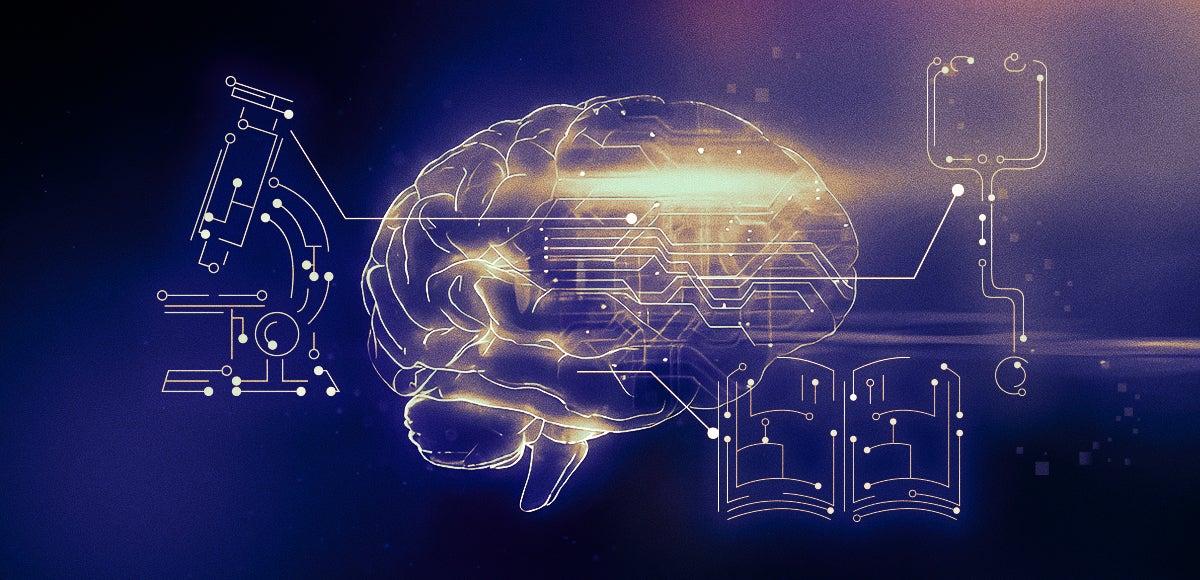
The Rise of AI Tutors: Exploring Key Benefits and Biggest Challenges in Education
Artificial intelligence is transforming almost every aspect of modern life—education being no exception. The integration of AI tutors into classrooms and online learning platforms is one of the most notable innovations of the last decade. As technology grows smarter and more accessible, educators, students, and parents alike are curious about what this means for academic success and personalized learning. In this article, we’ll delve into the rise of AI tutors, review their remarkable benefits, scrutinize the most pressing challenges, and discuss practical implementation tips for educators and institutions.
What Are AI Tutors?
AI tutors are bright software systems designed to simulate the guidance and instruction a human tutor provides. Leveraging advances in machine learning, natural language processing, and big data, these digital instructors adapt their teaching methods to the unique needs of each student. AI tutoring systems can offer assistance in a variety of subjects—from mathematics and programming to language arts and science—revolutionizing how knowledge is acquired and applied.
Key Benefits of AI Tutors in Education
AI tutors are making monumental strides in supporting traditional educational practices. Below are some of their core advantages:
- Personalized Learning Experiences: AI-powered tutors can instantly assess a student’s strengths, weaknesses, and learning pace. lessons and problem sets are tailored to suit the individual’s specific learning requirements, accelerating progress and boosting motivation.
- 24/7 Availability: Unlike human instructors, AI tutors provide constant support. Students can access learning resources, ask questions, and receive feedback at any hour, encouraging independant and flexible learning.
- Scalability: AI solutions can serve thousands of learners together, breaking down the constraints of teacher-student ratios. This makes quality education more accessible across diverse geographical and socio-economic backgrounds.
- instant Feedback and Assessment: AI tutors deliver immediate, actionable feedback, enabling students to quickly correct errors and internalize subjects. Automated assessments and analytics help educators track progress and intervene sooner if needed.
- Reduced Administrative Load: By automating repetitive tasks like grading and progress tracking,AI tutors free up valuable time for teachers to focus on mentorship and creative instruction.
Real-world Examples: AI Tutors in Action
- Duolingo: The language learning platform leverages AI-driven chatbots to provide interactive language practise, adjust content difficulty, and personalize learning paths.
- Socratic by Google: This app uses AI to analyze students’ questions (including handwritten math problems) and delivers curated, step-by-step explanations in seconds.
- Carnegie Learning’s MATHia: Powered by machine learning, MATHia offers adaptive math tutoring, diagnosing gaps in understanding and tailoring practice to fill them efficiently.
Biggest Challenges Facing AI Tutors in Education
While the promise of AI-powered education is immense, several hurdles must be addressed before widespread adoption can succeed:
- Equity and Accessibility: Digital divides persist in many communities, with disparities in access to reliable internet and devices. institutions must ensure that AI learning tools do not widen existing inequalities.
- Privacy and Data Security: AI tutors require access to extensive student data to function optimally. Robust safeguards must be in place to protect sensitive information from misuse or breaches.
- Quality of Content: Not all AI tutors are created equal. without careful oversight, educational content might be inaccurate or biased, possibly leading to misinformation.
- Teacher and Student Readiness: Effective integration of AI in education hinges on both educators and learners being trained to use new tools. Resistance to change and lack of digital fluency can hamper success.
- Loss of Human Connection: Real-time empathy, encouragement, and social interaction are critical components of effective teaching. Sole reliance on AI risks neglecting the emotional and motivational support that human mentors provide.
Case Study: Integrating AI Tutors in a Public School
Evergreen High School in California piloted an AI-driven homework helper platform with ninth-grade students. After six months:
- 80% of students reported greater confidence in math and science.
- Teachers noted a 20% reduction in repetitive grading tasks.
- Tho, some students with limited internet access struggled to keep up, highlighting the need for infrastructural improvements.
- Ongoing teacher development sessions were essential to maximize effective AI utilization in the classroom.
How Educators Can Effectively Implement AI Tutors
Triumphant adoption of AI technology in schools and universities calls for thoughtful planning. Here are practical tips for maximizing benefits while minimizing drawbacks:
- Pilot Programs: Start small with targeted pilot programs, enabling institution-wide learning before full-scale deployment.
- Continuous Professional Development: Invest in ongoing teacher training to build digital literacy and confidence in leveraging AI tutoring tools.
- Regular Content Audits: Monitor the accuracy, relevance, and inclusivity of educational content generated by AI platforms.
- Prioritize Student Wellbeing: Balance AI instruction with collaborative, project-based learning and opportunities for human mentorship.
- Ensure Equitable Access: Address disparities by providing devices, internet access, and clear guidelines for inclusive AI tool use.
- Clear Privacy Policies: Clearly communicate how student data is collected, used, and protected to foster trust among parents and stakeholders.
First-Hand Experience: A Student’s Viewpoint
Maya, a tenth-grade student, shares her journey using an AI-powered math tutor:
“I used to spend hours stuck on the same algebra problems and felt embarrassed to ask for help.My school introduced an AI math tutor that explained concepts step-by-step and gave practice questions just for me. Over time, I not only improved my grades but also became more confident in tackling tough topics on my own. While I still enjoy working with my teacher in class, the AI tutor is like a personal coach who’s always there for me.”
Looking Ahead: The Future of AI Tutors in Education
The continued evolution of artificial intelligence in education holds exciting potential. As AI tutors grow more refined, they will not only deliver subject knowledge but also foster critical thinking, creativity, and collaborative skills.Personalized,data-informed learning experiences are set to bridge achievement gaps and cultivate lifelong learners.
However, realizing this vision requires a conscious effort to mitigate AI tutor challenges. Investing in equitable access,teacher development,and student welfare will ensure that technology acts as an enabler,not a barrier,to educational success.
Conclusion: Embracing the AI Tutor Revolution
The rise of AI tutors is reshaping the educational landscape, offering unprecedented opportunities for personalization, efficiency, and scalable learning. By addressing key challenges—such as equity, privacy, and the need for continuous teacher training—schools and universities can harness the power of artificial intelligence to enrich the learning experience for all students.
Are you ready to embrace the AI tutor revolution? With foresight and a balanced approach, educators can unlock the full potential of AI-powered education, preparing learners to thrive in a rapidly changing world.