
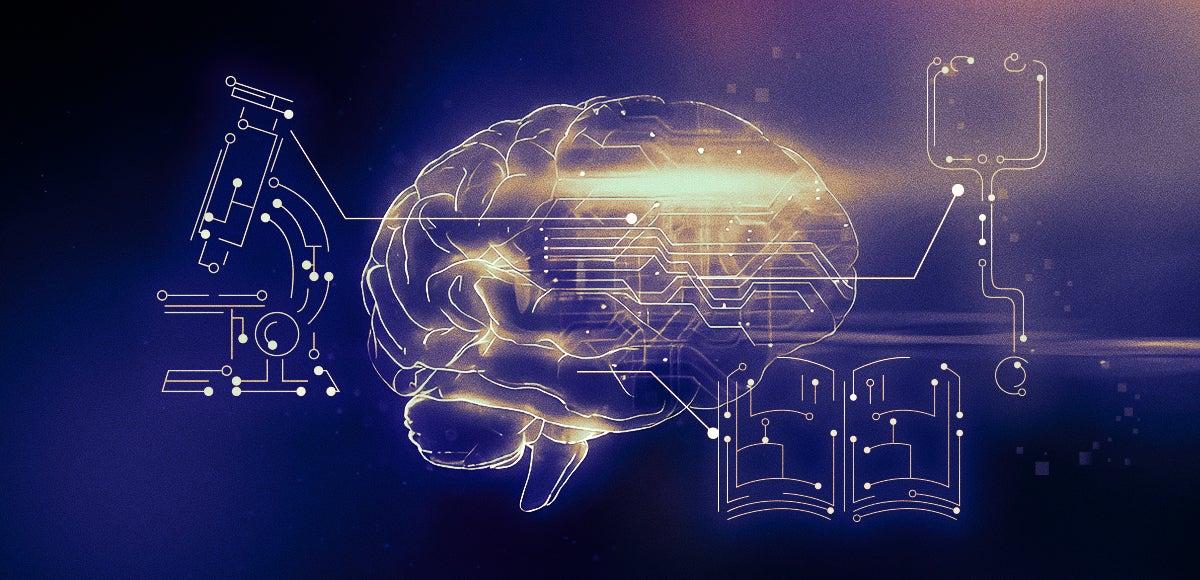
The Rise of AI Tutors: Key Benefits and Challenges Shaping the Future of Education
Artificial intelligence (AI) is revolutionizing numerous sectors, and education is no exception. As AI tutors become increasingly prevalent in classrooms and online learning platforms, both students and educators are witnessing transformative changes in how knowledge is delivered and consumed. In this article, we explore the remarkable rise of AI-powered tutors, their key benefits, challenges, real-world applications, and what the future holds for AI in education.
Introduction: The Emergence of AI Tutors in Education
With the digitalization of education, AI tutors have emerged as powerful tools to supplement conventional teaching. These bright systems use advanced algorithms, natural language processing, and machine learning to understand students’ needs, deliver personalized instruction, and provide real-time feedback. As schools and universities strive to address the diverse learning needs of students, AI tutors are quickly becoming integral to modern education.
What Are AI Tutors?
AI tutors are software applications that employ artificial intelligence technologies to simulate human-like teaching and provide customized support to learners.Thay can range from simple chatbots answering student questions to sophisticated platforms designing personalized curricula. Popular examples include Duolingo’s AI-driven chatbot for language learning, Carnegie Learning’s MATHia for mathematics, and Socratic by Google for general homework assistance.
Key Benefits of AI Tutors in Education
- Personalized Learning Experiences: AI tutors can assess a student’s strengths and weaknesses and tailor lessons accordingly. Through adaptive learning pathways, students receive the right level of challenge and support.
- Instant Feedback and Assessment: by providing real-time feedback on assignments and quizzes, AI tutors help students identify and correct mistakes promptly, fostering better retention and learning outcomes.
- Increased Accessibility: AI tutors break down geographical and financial barriers to education.Students from remote areas or under-resourced schools can access high-quality tutoring at any time of the day.
- Scalability: Unlike human tutors who are limited by time and availability, AI-driven solutions can serve thousands of learners simultaneously, making education more scalable and cost-effective.
- Data-Driven Insights: Teachers and administrators benefit from analytics provided by AI tutors, helping them monitor student progress, adapt teaching strategies, and offer targeted interventions.
- Multilingual and Multimodal Support: AI systems can teach in multiple languages and use various mediums (text, audio, video), catering to different learning preferences.
Real-World Case Study: Improving Math Literacy with AI
MATHia, powered by Carnegie Learning, has been widely adopted in schools across the US.Teachers report significant improvements in student engagement and performance. In several districts, standardized test scores rose by over 15% within two years of MATHia’s introduction, primarily due to its personalized, data-driven approach.
Challenges and Concerns of AI Tutors
Despite their promise, AI tutors face several challenges that must be addressed to ensure their effectiveness and ethical use in education:
- Data Privacy and Security: AI platforms collect vast amounts of personal and academic data. Ensuring this data is securely stored and not misused is a paramount concern for educators and parents alike.
- Equity and Access Gaps: The digital divide could widen if underprivileged schools or communities lack the infrastructure necessary to utilize AI tutors.
- Lack of Emotional Intelligence: AI tutors, while adept at cognitive tasks, frequently enough struggle to provide social and emotional support, which is essential for holistic education.
- Job Displacement Concerns: Some educators fear that increased reliance on AI might threaten teaching jobs or reduce the need for human interaction in classrooms.
- Algorithm bias: AI systems trained on biased data can inadvertently perpetuate stereotypes or provide unfair advantages/disadvantages to certain groups of students.
First-Hand Experience: A Teacher’s Viewpoint
“integrating AI tutors into my classroom has freed up valuable time for more individualized attention and project work,” shares Ms. Ramirez, a high school math teacher. “However, I always remind my students that AI is a tool, not a replacement for human guidance and mentorship.”
Best Practices and Practical Tips for Implementing AI Tutors
- Start Small: Begin by integrating AI tutors for supplementary activities,such as homework help or skill reinforcement,before expanding their use in core instruction.
- Combine Human and AI Power: Balance AI tutors with human guidance. Encourage collaborative learning where teachers facilitate discussions based on insights from AI analytics.
- Prioritize Data Security: Work with AI providers who comply with stringent data privacy regulations and offer transparent data management policies.
- Ensure inclusivity: Advocate for equitable access to technology by seeking grants or partnering with organizations that provide devices and reliable internet to underserved communities.
- Continual Assessment: Regularly evaluate the effectiveness of AI tutors through feedback from students, teachers, and parents, and make necessary adjustments.
AI Tutors: Shaping the Future of Education
As AI technology continues to evolve, we can expect even more sophisticated tutors that:
– Understand students’ emotional states via sentiment analysis
– Adapt teaching styles to match individual learning preferences
– Integrate with virtual and augmented reality for immersive learning experiences
– Support lifelong learning and career reskilling
AI tutors could fundamentally reshape not only how students learn, but also how teachers teach, leading to more engaged, self-directed, and adaptable learners ready for the challenges of tomorrow.
Conclusion: Embracing AI Tutors for a Brighter Educational Future
The rise of AI tutors represents one of the most exciting developments in modern education. Harnessing the benefits of AI-powered learning—from personalization and accessibility to scalability—can drive remarkable improvements in student achievement and inclusion worldwide. At the same time, thoughtful implementation is essential to navigate challenges like data privacy, equity, and the need for emotional connection. By leveraging the best of both worlds—AI innovation and human wisdom—we can create an education system that truly empowers every learner.
Are you ready to embrace the future of education? As AI tutors continue to evolve, so too will the possibilities for students, teachers, and society at large.