
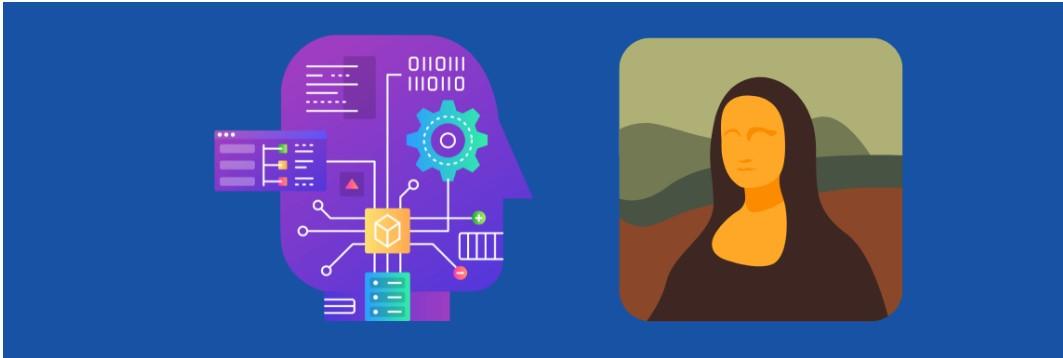
The Rise of AI Tutors: Key Benefits and Emerging Challenges Explained
Keywords: AI tutors, artificial intelligence in education, benefits of AI tutors, challenges of AI-based learning, personalized learning, EdTech, online education
Introduction: How AI Tutors Are Shaping the Future of Learning
Artificial intelligence (AI) is rapidly transforming industries across the globe, and education is no exception.The rise of AI tutors promises to revolutionize the way students learn, teachers instruct, and institutions operate.
AI-powered tutoring platforms now offer interactive, personalized, and scalable learning experiences that were once unimaginable.Tho, the widespread adoption of artificial intelligence in education also brings new challenges to light, from ethical dilemmas to technical hurdles.
In this comprehensive guide, we’ll explore the key benefits of AI tutors, uncover emerging challenges, highlight real-world applications, and share practical advice for maximizing their impact.
What Are AI Tutors? Understanding Artificial Intelligence in Education
AI tutors are software-based, intelligent agents that use advanced algorithms and machine learning to assist students in their academic journey. Unlike conventional one-on-one human tutoring, AI tutors leverage vast datasets, adapt to individual learning styles, and provide real-time feedback for optimal learning outcomes.
Popular AI Tutoring Tools & Platforms
- ChatGPT and other conversational AI systems
- Khan academy’s Khanmigo
- Duolingo’s AI-based language tutors
- Coursera Smart Learning Recommendations
- Socratic by Google
These platforms use natural language processing, predictive analytics, and deep learning to guide learners thru tailored lessons, quizzes, and study sessions.
Key Benefits of AI Tutors: Unlocking Potential in Personalized Learning
AI tutors have become integral to online education and traditional classrooms alike, offering a range of advantages for both students and educators.
1. personalized Learning Paths
- AI tutors analyze each student’s strengths, weaknesses, and progress to deliver individualized content and practice exercises.
- adaptive learning algorithms adjust difficulty, pacing, and subject matter to meet the unique needs of each learner.
2.round-the-Clock Support
- unlike human tutors, AI-based learning tools are available 24/7, enabling students to study at their own convenience.
- Instant feedback on assignments and quizzes helps reinforce concepts without delays.
3. Scalability & Accessibility
- AI tutors make quality education accessible to millions, regardless of geographic location or socioeconomic status.
- EdTech platforms powered by artificial intelligence can scale rapidly without the need for additional staff.
4. Data-Driven Insights for Educators
- Teachers can leverage actionable data and analytics to track student performance and identify learning gaps.
- AI-generated reports improve curriculum planning and intervention strategies.
5. Supporting Diverse Learners
- AI tutors help students with disabilities or special needs by customizing learning formats and accessibility features.
- language translation and speech-to-text capabilities break down barriers for non-native speakers.
Summary of Benefits
- Personalization: Custom lessons and feedback
- 24/7 availability: learning anytime, anywhere
- Scalable education: Large reach at lower cost
- Data insights: Smarter teaching decisions
- Inclusive features: Accessible to all learners
Emerging Challenges of AI Tutors: Navigating the New Frontier
Despite their promise, adopting AI in education presents several critical challenges. Stakeholders must address these to harness the full potential of AI-based learning.
1. Data Privacy & Security
- AI tutors collect and process sensitive student data, raising concerns about privacy, security, and unauthorized access.
- Institutions must comply with regulations such as GDPR, FERPA, and local data protection laws.
2. Algorithmic Bias
- Machine learning models can reinforce existing biases,potentially leading to unequal educational outcomes.
- Developers must validate and audit AI systems to ensure fairness and transparency.
3. Overreliance on Technology
- Excessive dependence on AI tutors may reduce face-to-face human interaction, impacting social and emotional learning.
- Balanced integration of technology with traditional teaching remains essential.
4. Limited Subject Coverage & Creativity
- AI tutors excel in subjects with clear rules (like math or grammar) but often struggle with creative or open-ended tasks.
- Human mentorship remains crucial for fostering critical thinking and emotional intelligence.
5. Ethical Dilemmas
- Questions arise regarding student autonomy, consent, and the responsible use of personalized data.
- Clear ethical guidelines and ongoing oversight are necessary.
Case Studies: AI Tutors in Action
Khan Academy’s Khanmigo
In 2023, Khan Academy introduced Khanmigo, an AI-powered tutor that engages students in real-time conversation, explains STEM concepts, and adapts lessons to individual progress. Early results show improved quiz scores and increased engagement, especially in underserved communities.
Duolingo’s AI Language tutor
Duolingo employs advanced AI to guide users through language acquisition,correct errors instantly,and motivate learners with gamified feedback.AI tutors within duolingo have boosted retention rates and broadened access to language education worldwide.
ChatGPT in University Classrooms
Several universities now pilot ChatGPT as an AI teaching assistant, answering student questions, grading assignments, and providing study support. Surveys report increased satisfaction, though some faculty caution against overreliance and urge best practices for integration.
Practical Tips: Maximizing the Impact of AI Tutors
- Choose Trusted Platforms: Select AI-powered tutoring services with strong security protocols and transparent data policies.
- Monitor Progress: Use AI-generated analytics to regularly review and adjust learning plans.
- Balance Digital & Human Interaction: Combine AI tutor sessions with peer collaboration and instructor feedback.
- Set Clear Objectives: identify specific learning goals before engaging with AI-based tools.
- Stay Informed: Keep abreast of new developments, research, and ethical guidelines regarding artificial intelligence in education.
First-Hand Experience: What Teachers & Students Say
“AI tutors make math so much less intimidating! I can get step-by-step solutions any time of day, and it keeps me motivated to learn more outside of class.” – High school student, Texas
“Our students are more engaged, and our teachers can offer greater support where it matters most.Having mentioned that, careful oversight is essential to ensure every child gets the attention they need.” – Elementary school principal, New York
“AI-based grading saves time and highlights common misconceptions, but big decisions still need human judgment.” – University lecturer,London
Conclusion: The Future of AI Tutors in Education
The rise of AI tutors signals a bold new era for education,marked by personalized learning,global access,and data-driven teaching strategies. As AI-powered tutoring systems become increasingly sophisticated, the potential to close achievement gaps and enhance student outcomes grows ever more attainable.
Though, realizing these benefits requires a balanced approach: addressing challenges such as privacy, bias, and ethics while integrating technology with traditional human mentorship. By fostering collaboration between educators, technologists, and policymakers, we can unlock the promise of artificial intelligence in education and build a brighter, more inclusive future for learners worldwide.