
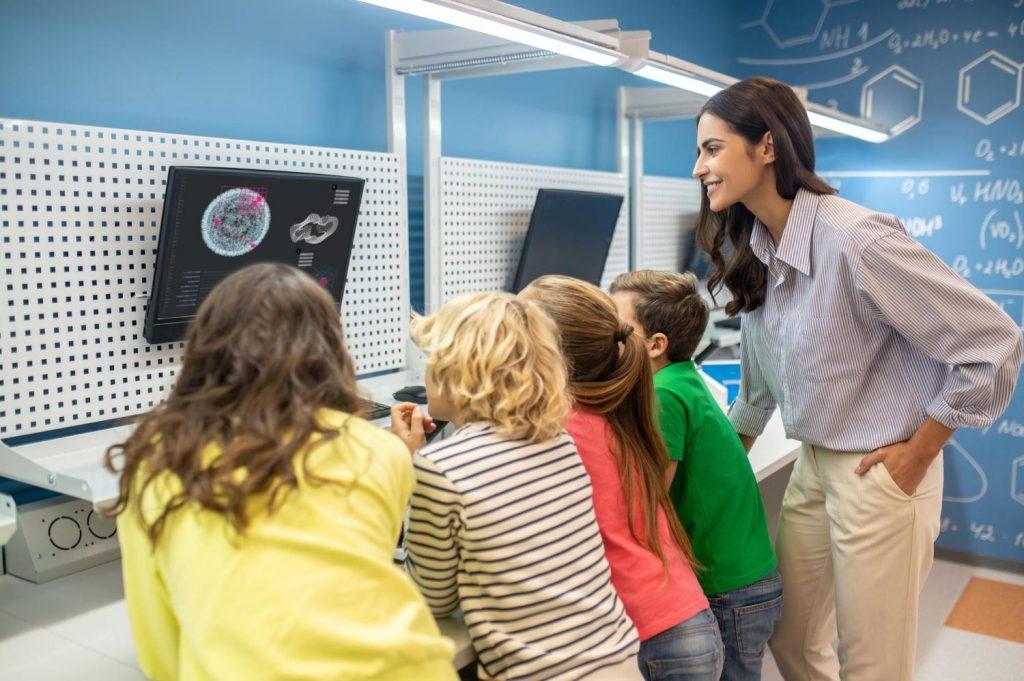
The Rise of AI Tutors: Key benefits and Major Challenges Shaping the Future of Education
Artificial Intelligence (AI) is rapidly reshaping various aspects of our lives, and the education sector is no exception. as the demand for personalized learning and scalable solutions increases,AI tutors have emerged as transformative agents in classrooms and beyond.This article delves into the rise of AI tutors, exploring their key benefits, the major challenges they bring, and how they are set to redefine the future of education.
What are AI Tutors?
AI tutors are clever software programs designed to deliver personalized instruction, guidance, and feedback to students. They leverage technologies like machine learning, natural language processing, and big data analytics to adapt to individual learning styles and needs. Unlike customary methods, AI-powered tutors offer real-time interaction, on-demand explanations, and massive scalability—paving the way for more inclusive and effective educational practices.
Key Benefits of AI Tutors in Education
The integration of AI in education brings ample advantages to teachers, students, and institutions alike. Here are some of the standout benefits:
- Personalized Learning Experiences: AI tutors analyze student data to deliver customized lessons, ensuring each learner advances at their own pace.
- 24/7 accessibility: Unlike human tutors, AI solutions are available round-the-clock, enabling students to receive help when they need it most.
- Instant Feedback: Automated assessments and feedback loops help students promptly identify strengths and areas for improvement.
- Enhanced Engagement: AI platforms utilize gamification, chatbots, and adaptive content to boost student motivation and retention.
- Scalability and Cost-Effectiveness: Schools and educators can serve more learners concurrently without a proportional increase in resources or costs.
- Support for Special Needs: AI can tailor learning strategies for students with disabilities, creating more inclusive classrooms.
Major Challenges Facing AI Tutors
While the rise of AI tutors is promising, several challenges must be addressed to unlock their full potential:
- Data Privacy and Security: the collection and storage of sensitive student data demand strict privacy standards and robust cybersecurity measures.
- Equity and Access: Not all students have equal access to digital devices or high-speed internet, which risks exacerbating existing educational inequalities.
- Quality and Bias: AI systems may inherit biases from training data or algorithms, leading to unfair or inaccurate learning outcomes.
- Lack of Human Touch: While AI is excellent for repetitive tasks, it cannot replace the empathy, mentorship, and creativity provided by human teachers.
- Teacher Training: Educators need proper training to integrate AI tutors effectively into curricula.
- Implementation Costs: Initial investments in infrastructure and software can be a barrier for some institutions.
Real-World Case Studies: AI Tutors in Action
- Socratic by Google: This AI-powered app uses image recognition and natural language processing to help students with math, science, and history questions through step-by-step explanations.
- Duolingo: The language learning platform employs AI algorithms to personalize lessons, adapt to learner proficiency, and provide instant feedback and motivation.
- Carnegie Learning: Utilizing AI-driven adaptive learning, this platform offers math tutoring tailored to the unique problem-solving approaches of each student.
- Squirrel AI (China): Squirrel AI provides millions of K-12 students with personalized learning journeys, continuously adapting to gaps in knowledge and preferred learning styles.
These platforms demonstrate how AI tutors are already making a significant difference in diverse educational settings worldwide.
Practical Tips for Integrating AI Tutors into the Classroom
- Start Small: Pilot AI tutoring tools in individual classes or subject areas before scaling up across the school or district.
- train Educators: Offer ongoing professional advancement focused on digital literacy and AI tool management to empower teachers.
- Ensure Inclusivity: Select AI solutions that support multiple languages, accessibility features, and adaptive learning to meet diverse student needs.
- Monitor and Evaluate: Regularly assess the effectiveness of AI tutors through performance data,student feedback,and academic outcomes.
- Engage Parents and Guardians: Communicate the benefits and limitations of AI tutors and involve families in the learning process for a holistic approach.
Expert Insights: the Future of AI Tutors in Education
“The next generation of AI tutors will not only transform how we teach and learn but also bring about a paradigm shift in education accessibility and equity.” — dr. Lisa Monroe, Professor of Educational Technology
According to education experts, the future of AI tutors will revolve around three central ideas:
- Hyper-personalization: AI will continuously refine and tailor content based on real-time learner performance and preferences.
- human-AI Collaboration: Teachers will rely on AI insights to identify struggling students earlier and provide targeted interventions, boosting overall outcomes.
- Global Access: Affordable, cloud-based AI tutors will democratize education, reaching underserved communities across the globe.
Conclusion: Embracing AI tutors for a Brighter Educational Future
The integration of AI tutors in education marks one of the most exciting developments in recent years.The key benefits—personalization, accessibility, scalability, and engagement—make AI a potent tool for advancing learning outcomes. However, educators, policymakers, and developers must diligently address challenges like data privacy, equitable access, and the preservation of human connection in education.By adopting a thoughtful approach, nourishing collaboration between humans and machines, and leveraging best practices, we can harness the full potential of AI tutors to shape a smarter and more inclusive future for all learners.