
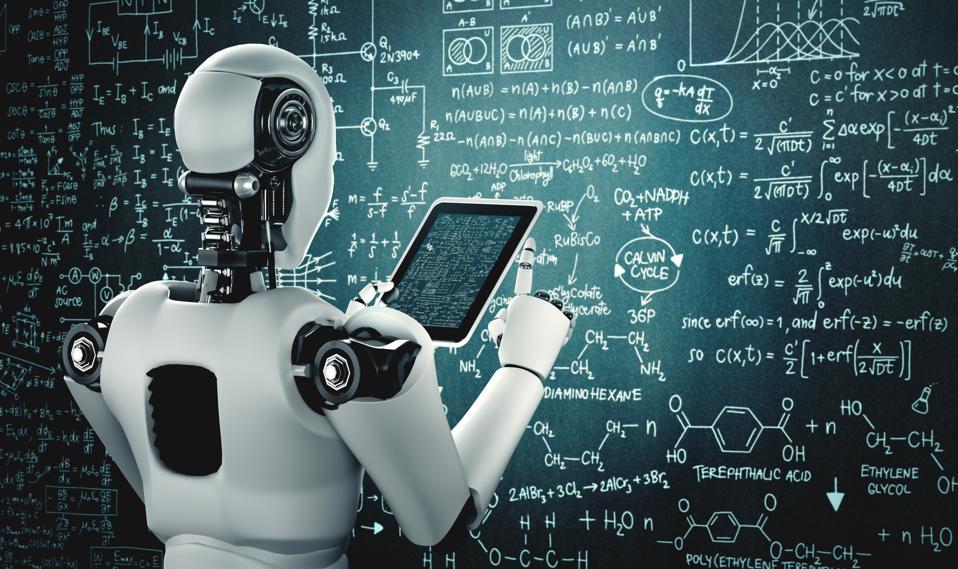
The Rise of AI Tutors: Key Benefits and Top Challenges Facing Education’s Future
Introduction: Artificial Intelligence Revolutionizes Learning
The world of education is undergoing a rapid transformation,fueled by advances in artificial intelligence.AI tutors are increasingly at the forefront of these changes, offering personalized, data-driven support to students in ways traditional methods cannot match. As classroom technology evolves, the role of AI-powered tutoring platforms is expanding—not only supplementing teachers but also democratizing access to high-quality education. In this article, we’ll dive into the remarkable benefits AI tutors offer, examine the challenges they face, and consider what their rise means for the future of education.
What Are AI Tutors?
AI tutors use sophisticated algorithms and machine learning to simulate the guidance typically provided by human educators. These digital tools can adjust their approach based on student performance, offer instant feedback, and provide explanations tailored to each learner’s needs. Prominent examples include tools like ChatGPT,Khan academy’s Khanmigo,and Duolingo’s AI chatbot tutors.
- Personalized Learning Experiences: Customizes lesson plans and exercises to student strengths and weaknesses.
- Instant Feedback: Provides real-time corrections and explanations.
- 24/7 Accessibility: Supports learning outside traditional classroom hours.
Key Benefits of AI Tutors in Education
With AI-powered tutors increasingly integrated into both K-12 and higher education, the benefits are becoming more apparent to educators and learners alike. Here’s a closer look at what makes these digital tools so impactful:
1. Personalized Learning and Adaptive Support
- Adaptive learning paths: AI tutors adjust questions and curriculum difficulty to suit each student’s ability, maximizing engagement and understanding.
- Data-driven insights: Analyze student progress and suggest targeted interventions at exactly the right moment.
- Reduced learning gaps: By identifying and addressing knowledge deficiencies in real-time, AI minimizes long-term gaps in understanding.
2. Increased Accessibility and Inclusivity
- 24/7 assistance: Students can receive support and answer questions anytime, anywhere—removing traditional barriers to help.
- Language and learning disability support: AI tutors can adapt content for non-native speakers and students with specialized needs, fostering greater equity.
3. Reduced teacher Workload
- Automated grading: Speeds up assessment and allows teachers to focus on higher-level instructional activities.
- Administrative support: AI can assist with lesson planning and data analytics to streamline classroom management.
4. Cost-Effectiveness
- Scalable solutions: Once developed, AI tutors can serve large numbers of students concurrently, often at a lower cost than hiring additional instructors.
- Bridging resource gaps: Schools with limited budgets can leverage AI to enhance their educational offerings.
Top Challenges Facing AI Tutors in Education’s Future
Despite these remarkable benefits, AI tutors face several meaningful challenges as they become more embedded in educational systems. Understanding and addressing these concerns is essential for realizing the full potential of AI-driven learning:
1. Data Privacy and Security
- Student privacy risks: AI tutors require access to sensitive student data for personalization, raising concerns about data breaches and misuse.
- Regulatory hurdles: Compliance with data protection laws such as GDPR and FERPA can be complex, especially for cross-border educational platforms.
2. Algorithmic Bias and Fairness
- Inherent biases: AI systems trained on biased datasets may inadvertently perpetuate stereotypes or disadvantage certain groups.
- Lack of transparency: Black-box algorithms make it difficult for educators to understand or challenge AI decisions.
3. Teacher and Student Readiness
- Teacher training needs: Educators must be equipped with new skills to effectively integrate AI tutors into their teaching practice.
- Student engagement: Not all learners are comfortable with or motivated by AI-based systems, risking reduced engagement or learning outcomes.
4. Technology Access and Equity
- Digital divide: Unequal access to reliable internet and devices can reinforce existing educational inequities, notably in underserved regions.
- Cost of implementation: Some advanced AI platforms may still be prohibitively expensive for lower-income schools or districts.
5. Ethical Concerns
- Replacing human educators? Fears exist around AI tutors supplanting, rather than supplementing, teachers—potentially diminishing the role of human mentorship.
- dependency risks: Overreliance on AI could undermine students’ independent learning skills or critical thinking capabilities.
AI Tutors in Action: Case Studies and Real-World Applications
Early adopters of AI in education are already demonstrating both the promise and the practical limitations of these technologies. Here are a few notable examples:
- Khan Academy’s “Khanmigo”: An AI-powered teaching assistant that helps students with math problems, provides feedback, and even supports teachers with lesson planning. Pilot studies report higher student engagement and improved learning outcomes.
- Duolingo: The language learning app leverages AI chatbots to simulate conversational practice, adapting difficulty and content based on user progress.
- Carnegie Learning’s MATHia: This smart tutoring system offers personalized math exercises, guiding students step-by-step and alerting teachers to areas requiring intervention.
The positive early results suggest AI tutors can boost student achievement, particularly when used to supplement—not replace—traditional instruction.
Practical Tips for Teachers and Schools embracing AI tutors
- Pilot New Technologies: Start with small-scale trials to collect feedback from both students and staff.
- Invest in Training: Provide ongoing professional development so teachers can confidently incorporate AI tutors into lesson plans.
- Monitor Data Usage: Ensure transparent data policies and prioritize student privacy at all times.
- Align with Curriculum Goals: Choose AI tools that fit seamlessly into existing curriculum frameworks and learning objectives.
- Prioritize Inclusivity: Select platforms that support accessibility for students with diverse needs and backgrounds.
The Future of AI Tutors: What Lies Ahead?
As artificial intelligence continues to advance, so too will the capabilities of educational AI tutors. We can expect even greater personalization, increased use of natural language processing for more conversational interactions, and deeper integration with classroom management tools. Though,the triumphant and ethical adoption of AI tutors will require:
- Stronger partnerships between educators,technologists,and policymakers
- rigorous research to evaluate impact and mitigate risks
- Ongoing investment in teacher training and digital infrastructure
The end goal should always be to enhance,not replace,the uniquely human aspects of education: mentorship,creativity,and empathetic support.
Conclusion
The rise of AI tutors marks one of the most exciting and disruptive trends in modern education. These digital tools offer unprecedented opportunities for personalized instruction, accessibility, and efficiency. Yet,realizing their full promise will require thoughtful,ethical implementation and a commitment to equity. By embracing a balanced approach, educators and policymakers can harness the future of education technology to empower learners everywhere.
Whether you are a teacher, student, or education technology enthusiast, staying informed about the rise of AI tutors is essential for navigating the evolving educational landscape.As we look ahead, the collaboration between humans and AI holds the key to unlocking the next generation of learning success.