
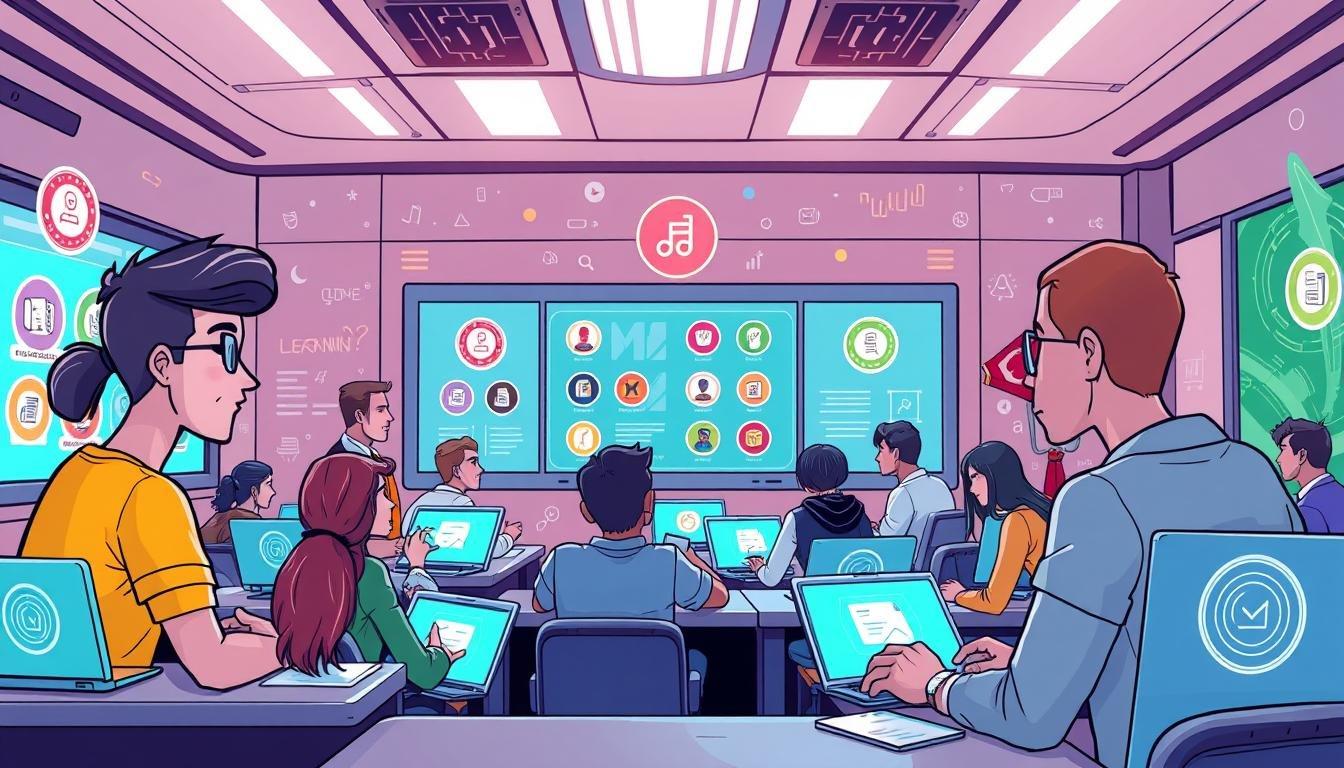
The Rise of Micro-Credentials: Transforming the Future of Professional Development
Introduction
The landscape of professional development is rapidly evolving. Gone are the days when a single degree could guarantee a lifetime of career success. Today,the rise of micro-credentials is transforming the way professionals upskill and adapt to the ever-changing job market.Whether your a recent graduate, a mid-career professional, or an organization aiming to future-proof your workforce, understanding micro-credentials is essential.
In this article, we’ll delve into what micro-credentials are, explore their benefits, offer practical tips for leveraging them, present real-world examples, and highlight why they are central to the future of professional development.
What Are Micro-Credentials?
Micro-credentials are short,targeted certifications that focus on specific skills or competencies. Unlike traditional degrees, which cover broad areas over several years, micro-credentials are flexible and can be completed in weeks or months. Frequently enough referred to as digital badges or nano-degrees, these credentials validate mastery in particular domains such as data analytics, project management, cybersecurity, or digital marketing.
- Short-term: Typically require less time than degree programs
- Stackable: Can be combined to build larger qualifications or skillsets
- Relevant: Aligned wiht current industry trends and workforce demands
- Verifiable: Issued digitally, frequently enough with metadata and blockchain verification
Micro-credentials are offered by universities, technical schools, online learning platforms like Coursera, edX, and Udemy, and even employers themselves.
Why Are Micro-Credentials Gaining Popularity?
As the global economy becomes more dynamic and technologically driven, both individuals and organizations are seeking faster, more flexible ways to bridge skills gaps. Here’s why micro-credentials are at the forefront of this shift:
- Rapid Technological advancements: new tools and methods continuously emerge, demanding swift upskilling.
- Changing Job Market: Employers increasingly hire for skills over traditional degrees.
- Personalization: Learners can tailor their pathway, choosing only the most relevant certificates.
- Affordability: Micro-credentials are generally less expensive than higher education degrees.
- career Mobility: professionals can shift roles or industries by acquiring new, industry-recognized skills.
Key Benefits of Micro-Credentials for Professional Development
Integrating micro-credentials into your professional development strategy offers unique benefits for both individuals and organizations:
For Individuals
- Skill Validation: Demonstrate up-to-date expertise with industry-specific digital badges.
- Adaptability: Learn at your own pace, often online and asynchronously.
- Competitive Edge: stand out in the job market with distinctive skillsets.
- lifelong Learning: Continuously upgrade skills without returning to formal education.
- Global Recognition: Many micro-credentials are recognized by leading employers worldwide.
For Organizations
- Targeted Training: Quickly close skills gaps with focused, on-demand programs.
- Employee Engagement: Support professional growth, leading to higher retention.
- Cost Efficiency: Reduce training costs compared to traditional education options.
- Agility: Quickly adapt workforce capabilities to evolving business needs.
Practical Tips: How to Leverage Micro-Credentials in Your Career
To fully benefit from the rise of micro-credentials,consider these practical steps:
- Identify Skills Gaps: Assess which competencies are in demand in your industry or desired job role.
- Choose Reputable Providers: Opt for certifications from recognized institutions or industry bodies.
- Stack Credentials: Combine multiple micro-credentials to build a thorough skillset or qualify for specialized roles.
- Showcase Achievements: Display digital badges on your LinkedIn profile,resume,or professional portfolio.
- Stay Updated: Regularly scan job listings and professional networks to align your learning path with market needs.
Case Studies: Micro-Credentials in Action
Case Study 1: advancing in the Tech Sector
Jane, a software engineer, wanted to move into cybersecurity but lacked formal qualifications in the field. She completed a series of micro-credentials from recognized platforms such as CompTIA and Coursera. Within months, Jane was able to demonstrate her new skills to her employer, leading to a promotion and a substantial salary increase.
Case Study 2: Organizational Upskilling
A mid-sized marketing agency adopted a micro-credentialing system for its employees. By partnering with an online learning provider, the agency offered targeted digital marketing and analytics badges. The result was a 30% boost in project delivery efficiency, along with noticeable improvement in employee satisfaction and retention.
Case Study 3: frist-Hand Experience – Embracing Lifelong Learning
As a freelance graphic designer, Ahmed continually upskills through micro-credentials in UX/UI design, animation, and remote collaboration. By stacking these credentials and promoting them via his online portfolio, he consistently attracts new clients and higher-value contracts, outperforming competitors who rely solely on traditional degrees.
Top Platforms Offering Micro-Credentials
- Coursera: Partnered with leading universities and companies for industry-relevant certificates.
- edX: offers MicroMasters and Professional Certificates in high-demand fields.
- Udacity: Known for nano-degrees in cutting-edge technology and business skills.
- LinkedIn Learning: Digital badges integrated with your LinkedIn profile.
- Google Career Certificates: Fast-track credentials designed by Google for in-demand tech jobs.
The Future of Micro-Credentials in Professional Development
The future of professional development is modular, flexible, and digital. Micro-credentials are not merely a trend—they are fast becoming a critical standard in hiring and career advancement worldwide. According to The World Economic Forum, over 50% of all employees will need reskilling by 2025, making agile learning solutions like micro-credentials essential.
- Employer Adoption Rising: More businesses and HR departments now recognize and value micro-credentials alongside (or even above) traditional degrees.
- Integration with Academic Degrees: Many universities embed micro-credentials into degree programs, allowing learners to customize their education.
- Blockchain Verification: Digital badges are increasingly secured with blockchain technology, ensuring authenticity and portability.
Conclusion
The rise of micro-credentials is transforming how we approach professional development. These convenient, cost-effective, and highly targeted learning tools empower both individuals and organizations to thrive in a rapidly changing world. By embracing micro-credentials, you can bridge skills gaps, enhance your career prospects, and stay agile in the face of ongoing change.
As the job market continues to prioritize real-world skills and adaptability, micro-credentials offer a clear pathway to growth and success. Are you ready to take the next step in your professional journey?