
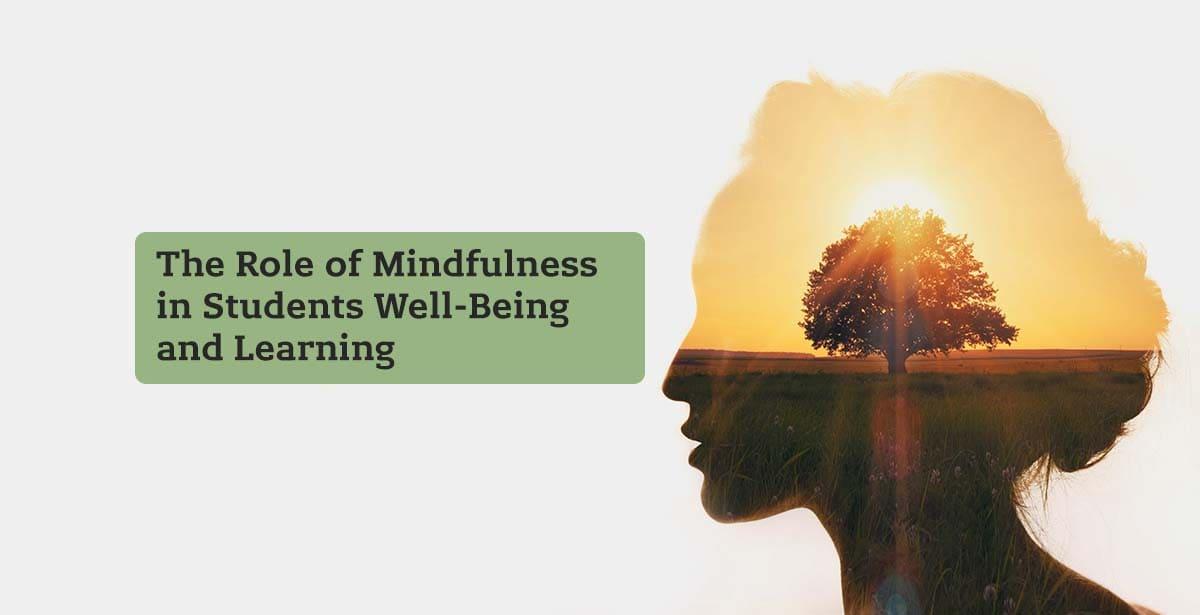
The Role of Mindfulness in Education: Enhancing Focus, Wellbeing, and Academic Success
In an increasingly fast-paced and demanding educational landscape, students and educators alike face challenges related to stress, distraction, and mental health. Integrating mindfulness in education presents a powerful solution to enhance focus, wellbeing, and academic performance. This article delves into the significance of mindfulness in classrooms,explores its benefits,offers real-world examples,and provides strategies for successfully bringing mindfulness into educational settings.
What is Mindfulness?
Mindfulness is the practice of paying intentional, non-judgmental attention to the present moment. In educational contexts, mindfulness typically involves simple breathing exercises, guided meditations, and activities that cultivate awareness and self-regulation. Its essence lies in teaching students and teachers to pause, notice their thoughts and feelings, and respond thoughtfully rather than react impulsively.
Why is Mindfulness Crucial in Education?
the integration of mindfulness in schools addresses key issues facing today’s learners, such as:
- Academic stress due to competitive curricula and high expectations
- Emotional challenges,including anxiety,depression,and low self-esteem
- Distractions from digital devices and multi-tasking
- Social pressures and behavioral challenges in diverse classrooms
by fostering mindfulness,educational institutions can better support the holistic development of students,promoting not only cognitive skills but also emotional intelligence and resilience.
Benefits of mindfulness in Education
Practicing mindfulness in the classroom yields a wide range of outcomes for both students and educators. Here are some of the most significant benefits, supported by current research:
1.improved Focus and Concentration
Mindfulness exercises have been shown to enhance students’ ability to concentrate, filter out distractions, and stay engaged with academic tasks. Studies suggest that even short daily mindfulness sessions can increase attention spans and improve memory retention.
2. Enhanced Emotional Wellbeing
Mindful practices promote emotional regulation, helping students recognize and manage their feelings more effectively. This reduces anxiety, stress, and mood swings, leading to a calmer and more positive classroom habitat.
3. better Academic Performance
With increased focus and emotional stability, students are more equipped to absorb and retain information. Research indicates that classrooms implementing mindfulness programs see notable improvements in test scores, reading comprehension, and overall academic success.
4. Stronger Interpersonal Skills
Mindfulness cultivates empathy and compassion, essential qualities for social learning. Students learn to listen deeply, communicate respectfully, and resolve conflicts amicably, fostering a sense of community and inclusion.
5. Resilience and Coping Skills
developing mindfulness skills equips learners with the tools to handle setbacks, persist through difficulties, and adapt to change—critical strengths for lifelong success.
How to Integrate Mindfulness in the Classroom: Practical Tips
Bringing mindfulness into educational settings does not require extensive resources. here are effective, research-backed strategies for introducing mindfulness practices in schools:
- Start with Breathing Exercises: Simple guided breathing for 2-5 minutes at the start of class can prime students for learning and help regulate nervous energy.
- Mindful Movement: Incorporating stretching or yoga breaks throughout the day can improve body awareness and reduce restlessness.
- Gratitude Journals: Encouraging students to jot down things they are grateful for fosters a positive mindset and emotional resilience.
- Guided Meditations: Use age-appropriate apps or online resources to lead students through short mindfulness meditations.
- Mindful Listening Activities: Teach students to focus on specific sounds (e.g., a bell, music, ambient noises) to enhance present-moment awareness.
- Emotion Check-ins: Allocate time for students to share how they feel using emotion wheels or journals,helping them name and regulate their emotions.
Consistency is key to seeing the benefits—making mindfulness a regular part of classroom routines results in more profound and lasting impacts.
Case Studies: Mindfulness in Action
Numerous educational institutions across the globe have embraced the power of mindfulness in education.
San Francisco Unified School District
After implementing twice-daily mindfulness sessions across several elementary schools, the district reported a 50% reduction in suspensions and significant improvements in student focus and academic performance.
UK Mindfulness in Schools Project
The Mindfulness in Schools Project (MiSP) in the UK delivered an eight-week mindfulness curriculum to secondary school students. Evaluations demonstrated lower levels of anxiety, decreased emotional distress, and enhanced wellbeing among program participants, as well as improvements in attention and academic outcomes.
Personal Experience: A Teacher’s Perspective
Ms. Lane, a middle school teacher, shares:
“Since introducing daily mindfulness exercises, my classroom has become notably calmer. Students are more attentive and compassionate towards one another. I have also noticed an improvement in their test scores and overall classroom behavior.”
Such testimonials, combined with growing evidence from research, underscore the transformative potential of bringing mindfulness into schools.
Overcoming Challenges and Ensuring Success
Despite the proven benefits, incorporating mindfulness practices in education can present challenges such as:
- Limited time within busy school schedules
- Skepticism from stakeholders unfamiliar with mindfulness
- Ensuring practices are culturally sensitive and appropriate for all students
Addressing these hurdles involves education for staff and parents, starting small, and selecting age- and context-appropriate practices. Schools may also collaborate with certified mindfulness educators to guide their programs effectively.
Conclusion: The Future of Mindfulness in Education
The role of mindfulness in education is rapidly evolving from a supplementary practice to a foundational component of academic and emotional development. By enhancing student focus,wellbeing,and academic success,mindfulness offers a pathway to more resilient,compassionate,and high-achieving learners. As educational research continues to validate its benefits, investing in mindfulness is not just a trend—it’s a lasting transformation for schools everywhere.
Integrating mindfulness in schools doesn’t just benefit individual students; it contributes to a culture of wellbeing and lifelong learning, preparing young people to navigate life’s challenges with confidence and care.