
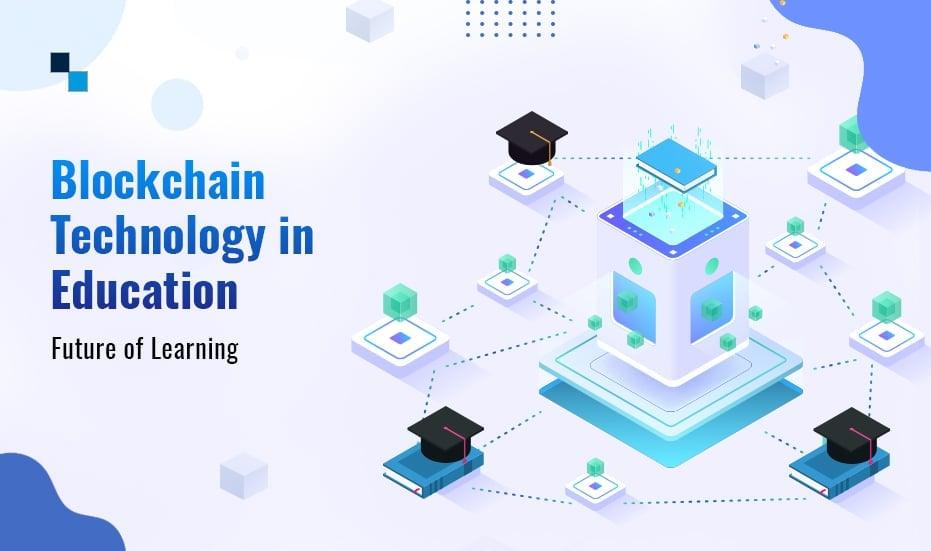
Top 5 Case Studies: How Blockchain Is Transforming Higher education
Blockchain technology is reshaping a variety of industries, and higher education is no exception. Universities and colleges around the world are adopting blockchain solutions to revolutionize record-keeping, credentials verification, and more. In this comprehensive article, we explore the top 5 case studies of blockchain in higher education, uncovering how this clear, secure ledger system is creating smarter, more efficient academic ecosystems.
Why Blockchain in Higher Education?
Before we dive into real-world implementations, let’s look at why blockchain technology is rapidly gaining traction in higher education. blockchain in higher education provides a transparent, immutable, and decentralized method to record and verify credentials, manage student data, and foster academic integrity. Its benefits include:
- Enhanced security: Immutable records that prevent data tampering.
- credential Verification: Instant, verifiable academic achievements and certificates.
- Efficient Record-Keeping: Automated processes save time and resources for administration.
- Global Recognition: Credentials can be verified anywhere in the world.
- improved Trust: All stakeholders can trust the authenticity of academic records.
Top 5 Blockchain Case Studies in Higher Education
Now, let’s explore five leading institutions that have pioneered the innovative use of blockchain in higher education.
1. MIT: Digital Diplomas with Blockcerts
the Massachusetts Institute of Technology (MIT) is a trailblazer when it comes to blockchain-based credentials. In 2017, MIT piloted the Blockcerts project, enabling graduates to receive digital diplomas protected by blockchain technology.
- How it effectively works: Graduates receive a secure, tamper-proof digital diploma, which can be instantly shared with employers and other institutions.
- Results: MIT’s adoption reduced administrative overhead, improved verification speed, and eliminated possibilities of diploma forgery.
- Real-World Impact: Alumni now have a portable,permanent record of their academic achievements.
“With Blockcerts, recipients own their credentials and can share them as thay choose. Employers and graduate schools worldwide can instantly verify the document’s authenticity.”
— MIT News
2. University of Nicosia: Blockchain-Powered Degree Verification
Based in Cyprus, the University of nicosia made headlines as one of the first institutions to offer degrees entirely recorded and verified on the blockchain. Since 2014, they have issued certificates for their MOOC on digital currencies using blockchain.
- How it Works: All academic certificates are stored on the Bitcoin blockchain, making them globally accessible and verifiable.
- Results: The university substantially sped up the authentication process for graduates pursuing international jobs or further studies.
- unique benefit: As a global leader in blockchain education, nicosia also offers a master’s degree in Digital Currency, uniquely aligned with real-world request.
3. University of Melbourne: Blockchain for Academic Achievements
The University of Melbourne in Australia joined the blockchain revolution by issuing digital credentials via the Learning Machine platform. Students now access their records directly from a blockchain-backed wallet.
- How it effectively works: Credentials and micro-credentials are issued as digitally signed documents, easily shareable and verifiable worldwide.
- Outcomes: Employers save notable time in checking academic history, as verification is instant and trustworthy.
- Focus: The initiative boosts the employment prospects of graduates and curbs credential fraud.
“Providing graduates with credentials they can own and share digitally is a leap forward in student empowerment.”
— University of Melbourne Media Release
4. Holberton School: Transparent Student Records
The Holberton School, an innovative coding academy based in San Francisco, implemented blockchain technology to issue and verify academic certificates.
- How it effectively works: Every certificate and academic accomplishment is hashed and recorded on the Ethereum blockchain, automating verification for employers and third parties.
- Clarity: By providing instant access to unalterable records, Holberton increases trust between students, employers, and the workforce.
- Scalability: As blockchain grows,Holberton’s model can easily adapt and expand.
5. Sony Global Education & IBM: Educational Blockchain Platform
Sony Global Education, in collaboration with IBM, developed a comprehensive blockchain-based platform aimed at managing and sharing student records securely.
- How it Works: The platform lets institutions record, transfer, and share academic achievements and grades across universities and even borders.
- Use Case: Ideal for study abroad programs, multi-university degrees, and international credit transfers.
- Innovation: This cross-border, interoperable solution paves the way for a truly global educational network.
Additional notable Blockchain Projects in Higher Education
Beyond these five case studies, universities like the University of Bahrain, Open University UK, and Central New Mexico Community College are embracing blockchain as part of their digital conversion strategies. As the technology matures, widespread adoption is on the horizon.
Benefits of Blockchain for Universities and Students
- Streamlined Admissions: Faster, more transparent verification of prior qualifications.
- Lifelong Learning Portfolios: Students manage comprehensive online portfolios spanning multiple institutions and learning pathways.
- Data privacy: Student data stored on blockchain is secure and accessible only by permission.
- Combatting Fake Diplomas: Digital credentials make it nearly impossible to fake qualifications.
- International Mobility: Students and professionals benefit from seamless cross-border recognition of their credentials.
Practical Tips for Universities Considering Blockchain Adoption
- Start Small: Pilot blockchain with micro-credentials or certificates before scaling to full degree programs.
- Partner with Established Platforms: Collaborate with solution providers like Blockcerts or IBM to streamline advancement.
- Prioritize security and Privacy: Ensure that all blockchain solutions comply with GDPR and other relevant data privacy laws.
- Educate Stakeholders: Train administrative staff, faculty, and students on the mechanics and benefits of blockchain credentials.
- engage with Employers: Work with industry partners to promote recognition and adoption of blockchain-verified credentials.
Firsthand Experiences: Voices from the Blockchain in Education Movement
“Blockchain-based diplomas have drastically cut processing times for job applications. Employers get immediate confidence in the validity of my credentials.”
— Recent University of Nicosia Graduate
“By adopting blockchain, we’re reducing fraud and giving students direct ownership of their academic records.”
— University Admissions Officer, University of Melbourne
Conclusion: The Future of Blockchain in Higher Education
the integration of blockchain in higher education is no longer a pipe dream. As these five case studies show, universities that adopt blockchain are creating secure, efficient, and transparent academic ecosystems. the benefits include faster verification, improved trust, better data privacy, and lifelong learning opportunities for students.
As more institutions follow the lead of MIT, the University of Nicosia, and others, blockchain is set to become the backbone of academic record-keeping. By embracing these emerging technologies today,universities can position themselves as leaders in the global education revolution—and students will reap the rewards for years to come.
Are you ready to join the blockchain education movement?