
Top 7 Challenges in Implementing Microlearning Strategies and How to Overcome Them
Microlearning has revolutionized corporate training and education by offering bite-sized, focused learning modules that promote engagement and retention.Yet, despite its clear benefits, organizations frequently encounter obstacles when trying to integrate microlearning into their training programs.This thorough article explores the top 7 challenges in implementing microlearning strategies and provides actionable solutions to help your organization unlock the full potential of this innovative approach.
What is Microlearning? A speedy Overview
microlearning is an educational strategy that delivers content in small, easily digestible units. These modules, frequently enough lasting between 3 to 7 minutes, focus on specific learning objectives and are designed to be accessed on-demand, often via digital platforms. From employee onboarding to just-in-time performance support, microlearning offers versatility, increased engagement, and boosts in knowledge retention.
Key Benefits of Microlearning Strategies
- Improved Engagement: Short modules maintain learner attention more effectively than lengthy training sessions.
- Better Knowledge Retention: Focused lessons help reduce cognitive overload and support long-term retention.
- Flexible Delivery: Learners can access content anytime, anywhere, using multiple devices.
- cost-Effectiveness: Short development cycles and targeted content avoid resource wastage.
- Personalization: Microlearning allows for customized learning paths that cater to different employee needs.
Top 7 Challenges in Implementing Microlearning Strategies (and How to Overcome Them)
Despite these advantages, integrating microlearning into customary training programs isn’t always straightforward. Below, we outline the most common challenges and provide practical solutions to tackle them effectively.
1. Lack of Clear Learning Objectives
Challenge: Creating microlearning content without well-defined goals can result in fragmented, uncoordinated lessons that fail to drive meaningful outcomes.
- This leads to confusion for both learners and trainers.
- Learning modules may not align with overall organizational objectives.
How to Overcome:
- Define specific, measurable learning objectives for each microlearning module.
- Identify critical skills or competencies that each lesson addresses.
- Align microlearning goals with broader organizational and performance outcomes.
2. Content Fragmentation
Challenge: Delivering training in small modules can result in knowledge silos. Learners may struggle to connect isolated topics,leading to gaps in understanding.
- Overly granular modules can lose context.
- Combining multiple topics might overwhelm the learner.
How to Overcome:
- Design learning paths: Sequence microlearning modules logically to build on previous knowledge.
- Use summary modules or recap sessions to connect topics.
- Leverage internal linking techniques to guide learners between related lessons.
3. Ensuring Learner Engagement
Challenge: with the expectation of shorter content,learners may not prioritize microlearning or might skip modules entirely.
- Lack of accountability can reduce course completion rates.
- Distractions or multitasking can affect the learning process.
How to Overcome:
- Incorporate gamification elements such as badges, points, or leaderboards.
- Embed quizzes, interactive questions, and real-life scenarios within modules.
- Provide regular feedback and recognition to encourage progress.
4. technology and Platform Constraints
Challenge: Not all Learning Management Systems (LMS) are optimized for microlearning. Platform restrictions can limit interactivity, mobile compatibility, and reporting capabilities.
- Legacy systems may not support video, audio, or interactive content.
- Poor mobile optimization can hinder on-the-go learning.
How to Overcome:
- Invest in an LMS or microlearning platform that supports multimedia and mobile-pleasant design.
- Regularly test modules across devices to ensure a seamless learner experience.
- Leverage plugins or integrations for added features if using WordPress-based LMS solutions.
5. Assessment and Measuring Impact
Challenge: Traditional assessment methods may not work effectively for microlearning. measuring skill improvement and ROI becomes difficult without clear analytics.
- Lack of detailed reporting can obscure learning effectiveness.
- Difficult to connect microlearning outcomes to business performance.
How to overcome:
- Integrate formative assessments like quizzes, polls, and knowledge checks within each module.
- Use analytics dashboards to track learner progress and engagement.
- Solicit learner feedback for continuous improvement.
6. Content Curation and Maintenance
Challenge: Microlearning relies on evergreen and relevant content. over time, training modules can become outdated, leading to informational inaccuracies or disengagement.
- Frequent industry updates require regular content reviews.
- Scalability becomes challenging with a large volume of micro-content.
How to Overcome:
- Create a regular content review and update schedule.
- Develop centralized repositories and use tagging or categorization for easier management.
- Encourage SMEs to participate in content review cycles.
7. Organizational Buy-In and Change Management
Challenge: securing executive support and buy-in from stakeholders can be difficult, especially if there is skepticism about microlearning’s ROI.
- L&D teams may struggle to advocate for new approaches.
- employees may resist change from traditional eLearning or in-person training.
How to Overcome:
- Present case studies and data that highlight microlearning’s advantages.
- Pilot microlearning initiatives in a controlled environment to demonstrate effectiveness.
- Involve key stakeholders in the planning and implementation process for greater alignment and support.
Proven Strategies for Successful microlearning Implementation
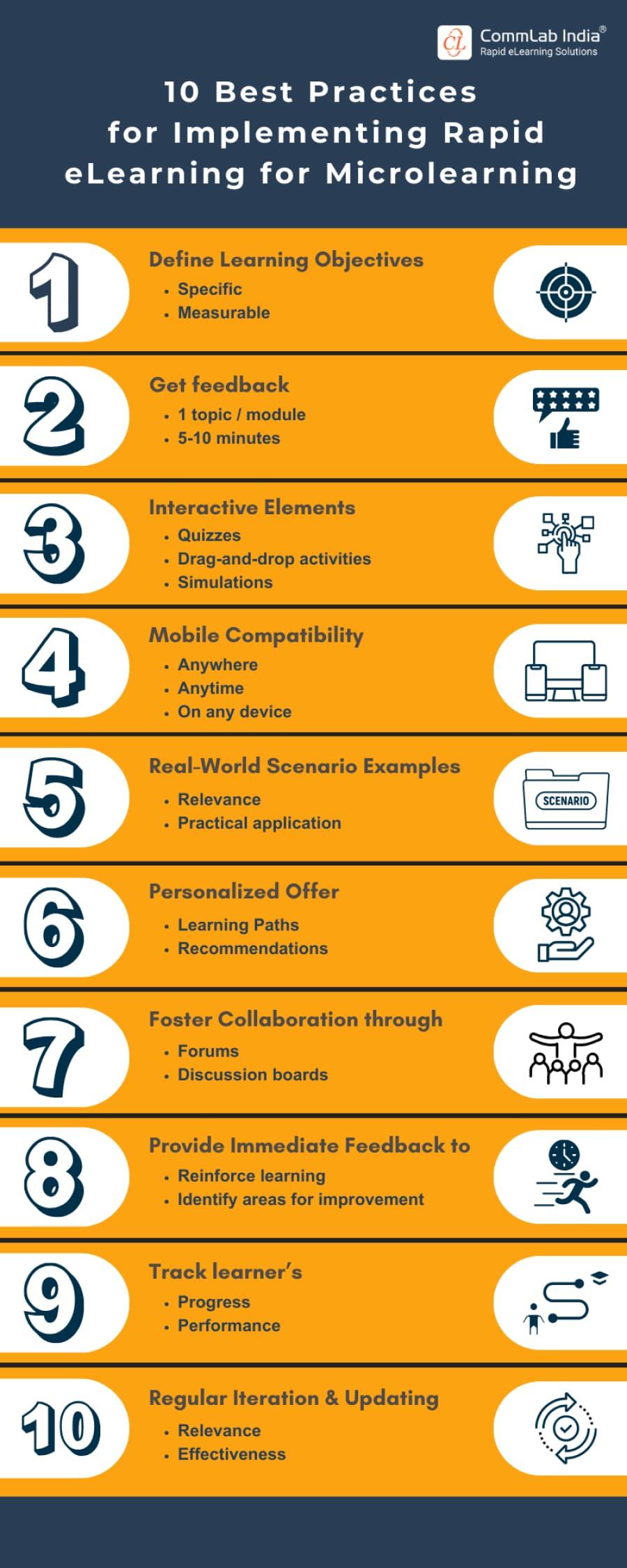
- Map out a long-term microlearning content strategy.
- Balance technology investment with actual learner needs.
- Encourage cross-functional collaboration among instructional designers, SMEs, and IT teams.
- Promote an agile, iterative approach to content development…
- Keep modules short, visually engaging, and focused on a single learning objective.
Real-World Case Study: Microlearning at Scale
A global technology company recently shifted to microlearning for onboarding and sales training. By breaking down existing training into five-minute modules—delivered via a mobile-optimized LMS—the company saw:
- A 30% improvement in course completion rates.
- Substantially higher employee engagement on training platforms.
- Faster time-to-productivity for new hires.
- Consistent learner feedback highlighting convenience and relevance.
The company overcame content fragmentation by mapping learning paths and used integrated quizzes for ongoing assessment, achieving measurable improvement in knowledge retention and employee satisfaction.
Practical Tips to Boost Your Microlearning Initiatives
- Solicit learner feedback after each module to identify areas for enhancement.
- Use visuals, infographics, and micro-videos for better retention.
- Promote proactive learning by embedding real-world scenarios.
- Leverage analytics to identify high-performing modules and optimize low-engagement topics.
- Iterate, don’t stagnate: Continuously test, refine, and improve your microlearning strategies.
Conclusion: Unlock the Full Potential of Microlearning for Your Organization
While implementing microlearning strategies poses unique challenges, understanding these hurdles is the first step toward overcoming them. By setting clear objectives, curating cohesive content, leveraging the right technology, and fostering organizational buy-in, you can maximize learner engagement and drive measurable business results.Embrace agile practices, invest in ongoing improvement, and don’t shy away from innovating—microlearning can truly transform your learning and development landscape.
Want to start implementing microlearning in your workplace? Begin with a pilot program, gather actionable insights, and scale up your efforts for long-term learning success.