
top 7 Challenges in Implementing Microlearning Strategies—and How to Overcome Them
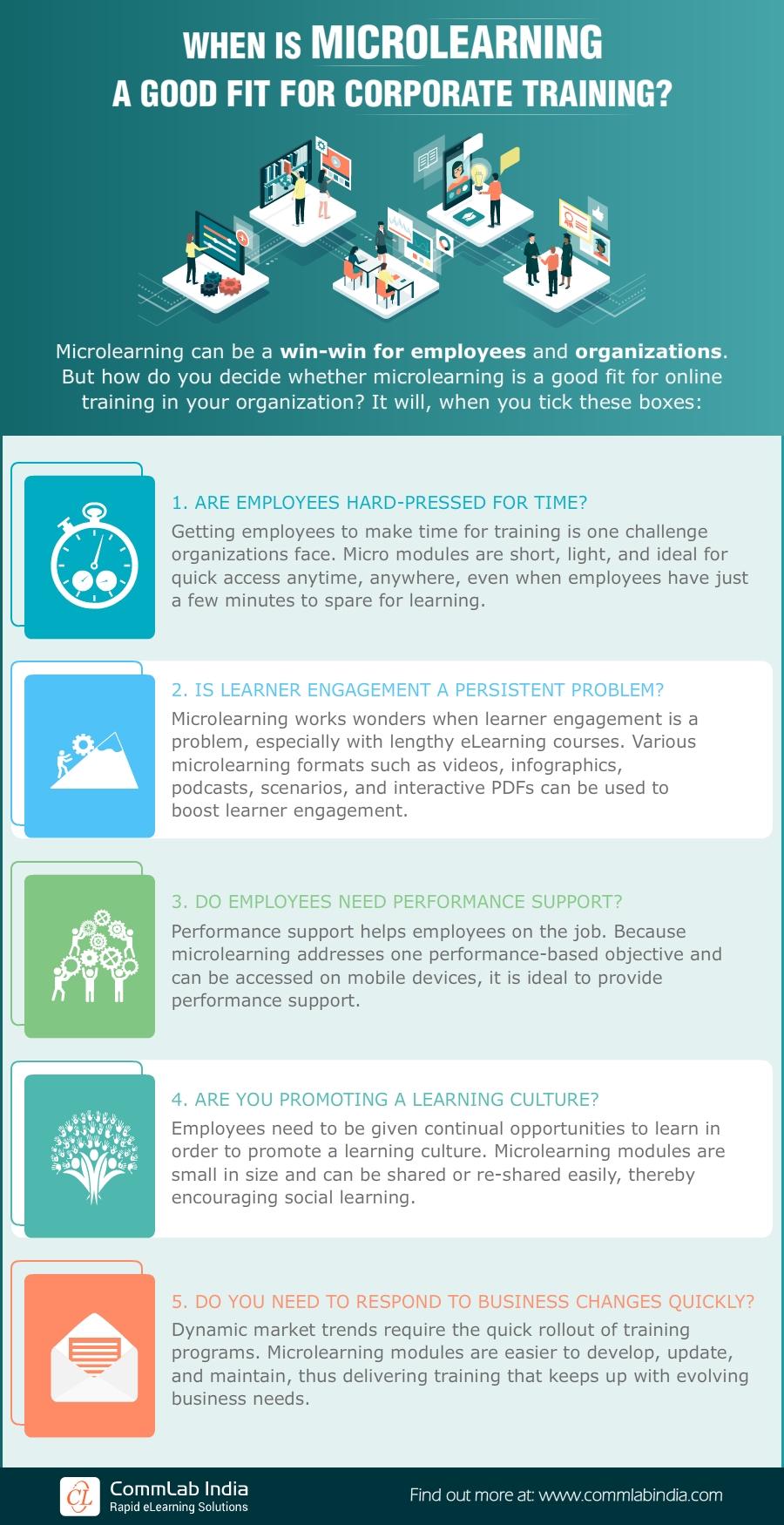
Microlearning is revolutionizing workplace training by delivering bite-sized content that meets the needs of today’s fast-paced, mobile-first learners. However, while the benefits of microlearning are clear—higher engagement, improved retention, and greater flexibility—deploying a strong microlearning strategy comes with its own set of unique challenges.In this comprehensive guide,we’ll explore the top seven challenges organizations face when implementing microlearning strategies,and share practical solutions to overcome each obstacle. Whether you are a training manager, instructional designer, or L&D professional, you’ll find actionable insights to elevate your microlearning programs to success.
Table of Contents
- Benefits of Microlearning
- challenge 1: Defining Clear Learning Objectives
- Challenge 2: Ensuring Content Quality and Relevance
- Challenge 3: Integrating Microlearning with Existing Systems
- Challenge 4: Overcoming Employee Resistance
- Challenge 5: Tracking Learning Analytics and Measuring ROI
- Challenge 6: Managing Content Overload
- Challenge 7: Maintaining Learner Engagement Over Time
- Pro Tips for Implementing Microlearning
- Conclusion
Benefits of Microlearning in modern Organizations
Before diving into the most common microlearning implementation challenges, let’s briefly recap why so many organizations are embracing this approach:
- Higher knowledge retention: Short, focused modules improve memory recall compared to longer traditional courses.
- Increased learner engagement: Interactive, bite-sized content suits short attention spans.
- Flexible and on-demand learning: Employees can access training anytime, anywhere, via mobile devices.
- Faster content creation and updates: Microlearning lets teams swiftly respond to changing business needs.
- Cost-effective: Reduces classroom downtime and travel expenses.
However, achieving these benefits takes more than just slicing up content. Let’s examine the top implementation roadblocks and how to solve them.
Challenge 1: Defining Clear Learning Objectives
Why It’s Arduous
Many organizations struggle to distill broad training goals into clear and measurable microlearning objectives. Without precise targeting, micro-content can become disjointed and fail to meet learners’ needs.
How to Overcome
- Start with the end in mind: Utilize frameworks like Bloom’s Taxonomy or SMART goals to define specific outcomes for each module.
- Break down complex skills: Decompose major topics into logical microgoals.
- Consult subject-matter experts (SMEs): Validate objectives with internal experts to ensure accuracy and relevance.
Challenge 2: Ensuring Content Quality and Relevance
Why It’s Difficult
With microlearning’s rapid creation cycle, there’s a risk of generating superficial or outdated content, undermining learning outcomes.
How to Overcome
- Build a content quality checklist: Include criteria for accuracy, engagement, and business relevance.
- Regularly update materials: Schedule quarterly content reviews and retire obsolete modules.
- Use a peer-review process: Involve several creators and SMEs in content validation.
- Leverage learner feedback: Encourage real-time feedback mechanisms to continuously improve modules.
Challenge 3: Integrating Microlearning with Existing Systems
Why It’s Difficult
Many organizations operate legacy Learning Management Systems (LMS) or disparate training platforms. Adding microlearning can lead to siloed data and inconsistent learner experiences.
How to Overcome
- Choose compatible microlearning platforms: Select solutions with APIs or SCORM/xAPI support for seamless integration.
- Standardize formats: Adopt universally accepted file types (e.g., MP4, SCORM) for easy import/export across systems.
- Centralize reporting and analytics: Use dashboards that aggregate data from all learning channels.
- Work closely with IT: Involve technical teams early for successful integration and support.
Challenge 4: Overcoming Employee Resistance
Why It’s Difficult
Change management is vital. Employees may be skeptical of microlearning if they’re used to traditional, instructor-led training or if they perceive it as superficial.
How to Overcome
- Communicate the value: Explain microlearning’s benefits for productivity and personal advancement.
- Involve learners in design: Collect input on preferred topics, formats, and devices.
- Provide support and incentives: Offer guides, troubleshooting help, and recognition for early adopters.
- use social proof: Share testimonials, case studies, or pilot success stories to build trust.
Challenge 5: tracking Learning Analytics and Measuring ROI
Why It’s Difficult
short,distributed microlearning modules can be hard to measure using traditional assessment and reporting tools. Many organizations struggle with demonstrating microlearning ROI.
How to Overcome
- Adopt advanced analytics tools: Look for platforms with built-in microlearning tracking and rich dashboards.
- define success metrics: Go beyond completion rates. Track engagement, knowledge retention, application, and business KPIs.
- Use data-driven feedback cycles: Regularly review analytics to iterate and optimize content.
- tie learning outcomes to business impact: Integrate training data with performance management systems for holistic insights.
Challenge 6: Managing Content Overload
Why It’s Difficult
As microlearning libraries grow, learners may feel overwhelmed by too many choices, leading to decision fatigue and disengagement.
How to Overcome
- Organize modules in learning paths: Curate sequenced pathways aligned with job roles and skills.
- Enable smart search and tagging: Use metadata and filters so users easily find relevant content.
- Limit content per session: Suggest 1-3 modules per day to avoid cognitive overload.
- Segment your audience: Deliver targeted,personalized microlearning recommendations.
Challenge 7: Maintaining Learner Engagement Over Time
Why It’s Difficult
Initial engagement is often high, but sustaining motivation for ongoing microlearning can be challenging—especially for remote and hybrid workforces.
how to Overcome
- Gamify learning experiences: Introduce points, leaderboards, and badges to foster healthy competition.
- Keep content fresh and varied: Mix videos, quizzes, infographics, and simulations for maximum appeal.
- Share real-world success stories: Highlight employees who have benefited from microlearning.
- Encourage social learning: Facilitate discussion forums, peer sharing, and collaborative challenges.
Pro Tips for Successful Microlearning Implementation
- Test and iterate: Pilot new modules with small groups before full-scale rollout.
- Stay agile: Schedule regular feedback loops to adapt to changing needs.
- Promote mobile-first design: Ensure all modules are optimized for smartphones and tablets.
- Foster a culture of continuous learning: Align microlearning with organizational goals and encourage knowledge sharing at every level.
First-Hand Experience: A Real-World Microlearning Case Study
One leading global retail company recently adopted microlearning to upskill its frontline workers. Initially, employees were inundated with lengthy compliance modules, which resulted in low completion rates (below 40%). After switching to microlearning, the business broke compliance training into 5-minute interactive scenarios accessible via mobile phones.
- Completion rates jumped to 85% within three months
- Employee feedback mentioned “training fits my workflow” and “I can revisit content easily”
- Management saw a measurable decrease in safety incidents, reflecting improved knowledge retention
The keys to success included clear CEO communications, mobile-first design, and regular gamified challenges to maintain engagement. This example illustrates the transformative power of thoughtful microlearning implementation.
Conclusion
Implementing microlearning strategies offers organizations a dynamic way to boost learning efficiency and adapt to the needs of modern learners. However,success hinges on recognizing and proactively addressing common challenges—from defining sharp learning objectives to maintaining engagement over time.By using the practical solutions outlined above, you can unlock the full potential of microlearning and foster a culture of continuous development in your organization.
If you’re new to microlearning or looking to enhance your current strategy, remember: start small, keep content relevant, listen to your learners, and iterate frequently. The journey may have hurdles, but with the right approach, your microlearning initiatives can deliver measurable and lasting business impact.