
Top 7 Challenges in Implementing Microlearning Strategies & How to Overcome Them
Microlearning has emerged as a game-changer in the world of corporate training and education. The promise of delivering targeted, bite-sized learning experiences makes it highly attractive for organizations seeking engaging and impactful learning solutions.However,implementing microlearning strategies is not without hurdles. In this article, we delve into the top 7 challenges in implementing microlearning strategies and provide actionable solutions to help your association succeed.
What is Microlearning?
Microlearning refers to an educational approach that delivers content in small, focused bursts, typically lasting between 3 to 7 minutes. This method caters to the needs of modern learners with short attention spans and limited time for formal training sessions. Microlearning often utilizes multimedia formats such as videos, infographics, quizzes, and mobile-based modules, making it a flexible and scalable strategy for today’s workforce.
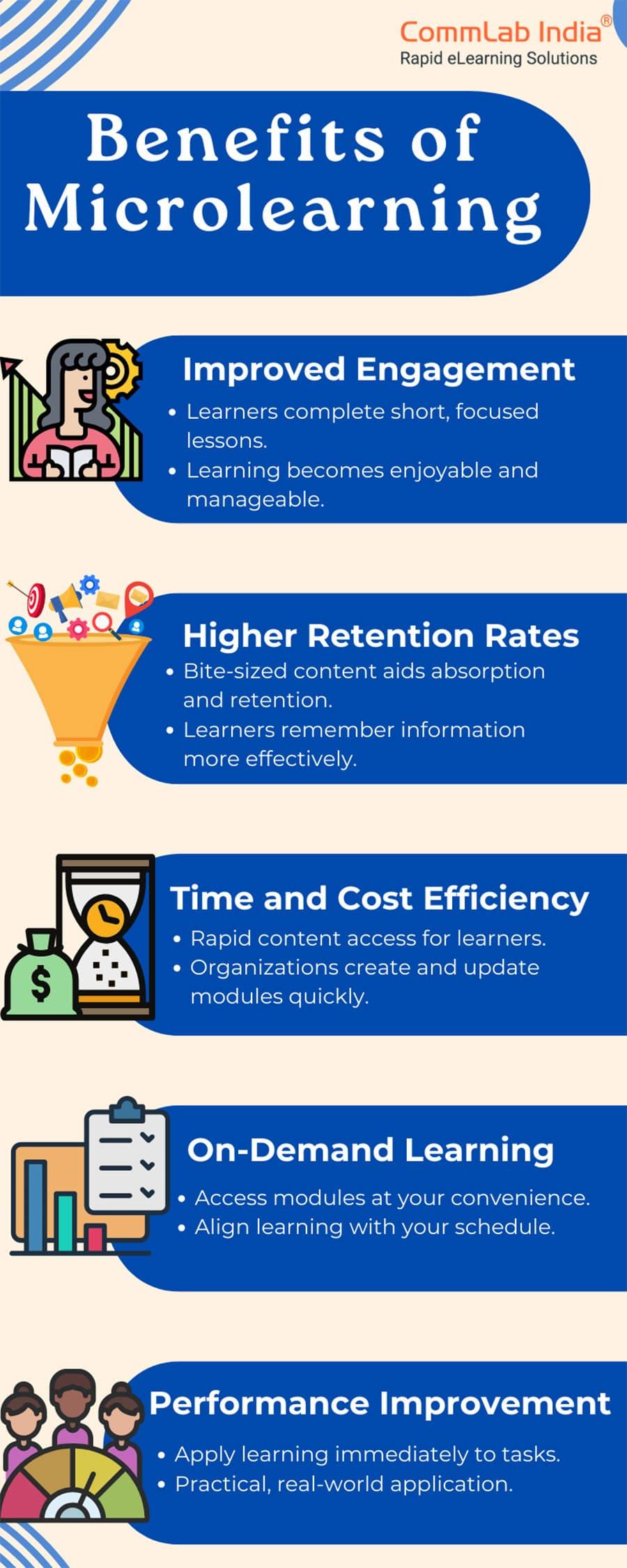
Benefits of Microlearning
- Enhances knowledge retention and recall
- Promotes learner engagement through interactive content
- Supports just-in-time learning and performance support
- Facilitates mobile and on-the-go learning experiences
- Cost-effective and easily scalable
Top 7 Challenges in Implementing Microlearning Strategies
1. Lack of Clear Objectives and Alignment
One of the biggest stumbling blocks in implementing microlearning is the absence of clear learning objectives and alignment with business goals. Without well-defined targets, microlearning modules risk becoming a collection of disconnected ”info-bites” rather than an effective progress tool.
How to Overcome:
- Map microlearning initiatives to specific organizational goals and job competencies.
- Define measurable learning outcomes for each microlearning module.
- Involve stakeholders in the design process to ensure content relevance.
2. Content Fragmentation and Incoherence
Short microlearning content can inadvertently lead to fragmented learning experiences if not thoughtfully structured. Learners may struggle to connect the dots between concepts, impairing knowledge retention and submission.
How to Overcome:
- Develop a extensive microlearning pathway or curriculum map.
- Ensure each module builds upon previous knowledge for logical progression.
- Use clear signposting and reference materials to reinforce connections.
3. Insufficient Engagement Strategies
Microlearning, if poorly designed, can easily become monotonous or be ignored by learners. Low engagement leads to minimal knowledge transfer and skill development.
How to Overcome:
- Incorporate gamification elements like badges, points, and leaderboards.
- Leverage diverse multimedia formats to appeal to different learning styles.
- Include interactive scenarios and real-life case studies for better relatability.
4. Technology Barriers and Integration Issues
Many organizations face challenges with integrating microlearning solutions into their existing Learning Management Systems (LMS) or mobile platforms. Compatibility issues can limit access and the overall effectiveness of microlearning programs.
How to Overcome:
- Choose microlearning platforms that support interoperability standards (like SCORM, xAPI).
- Conduct thorough technology audits before deployment.
- Provide robust IT support and Mobile-friendly interfaces.
5. Limited Time for Development and Maintenance
While microlearning modules are shorter, they require meticulous planning, design, and regular updating. Limited resources and time constraints can hinder ongoing content development and maintenance.
How to Overcome:
- Create modular templates to speed up content creation.
- Repurpose existing training assets into microlearning bite-sized modules.
- Set up a content calendar to schedule updates and reviews regularly.
6. Measuring Learning Effectiveness
Assessing the real impact of microlearning is challenging due to the short duration and on-demand nature of the modules. Traditional metrics may not fully capture the learning outcomes.
How to Overcome:
- Utilize micro-assessments and in-built quizzes to track learning progress instantly.
- Gather learner feedback through surveys and analyze behavior change post-training.
- Align microlearning analytics with business KPIs for comprehensive reporting.
7. Change Management and Cultural Resistance
Introducing microlearning is a shift from traditional learning methods. Resistance from leadership or employees who prefer classroom training can slow adoption rates and impact training ROI.
How to Overcome:
- Communicate the benefits of microlearning to all stakeholders.
- Start with pilot programs to showcase swift wins and positive impacts.
- Provide ongoing support and recognition for learners embracing new methods.
practical Tips for Accomplished Microlearning Implementation
- Focus on One Learning Objective per Module: Keep content concise and targeted to maintain relevance and impact.
- emphasize mobile Compatibility: Ensure every microlearning unit is optimized for mobile devices to support “learn anywhere, anytime.”
- Regularly Update Content: keep learning materials fresh and in sync with organizational changes.
- Promote Social Learning: Encourage discussions on internal platforms for peer-to-peer knowledge sharing.
- Monitor, Analyze, and Iterate: Use learner analytics to refine and enhance microlearning strategies continually.
Case Study: Successful Microlearning at XYZ Corporation
XYZ Corporation, a leading software firm, faced low completion rates in its traditional compliance training modules. By transitioning to microlearning, splitting content into 5-minute, interactive lessons, and leveraging mobile notifications, the company saw a 60% increase in training completion and a 40% boost in knowledge retention. The secret to their success? Well-structured content pathways, engaging media formats, and real-time feedback mechanisms.
Conclusion: Transforming Learning Experiences with Microlearning
Despite the challenges, microlearning is a proven strategy for organizations seeking agility and impact in workforce development. By understanding the top 7 challenges in implementing microlearning strategies and proactively addressing them, your organization can unlock the full potential of microlearning.Focus on clear objectives, thoughtful design, technological readiness, and ongoing engagement to build a successful learning ecosystem for modern learners.
Ready to embrace microlearning? Start small, iterate frequently, and put your learners at the center of strategy. The future of learning is bite-sized, accessible, and incredibly effective.