
Top 7 Cost-Effective VR Solutions for Schools: affordable classroom Technology explained
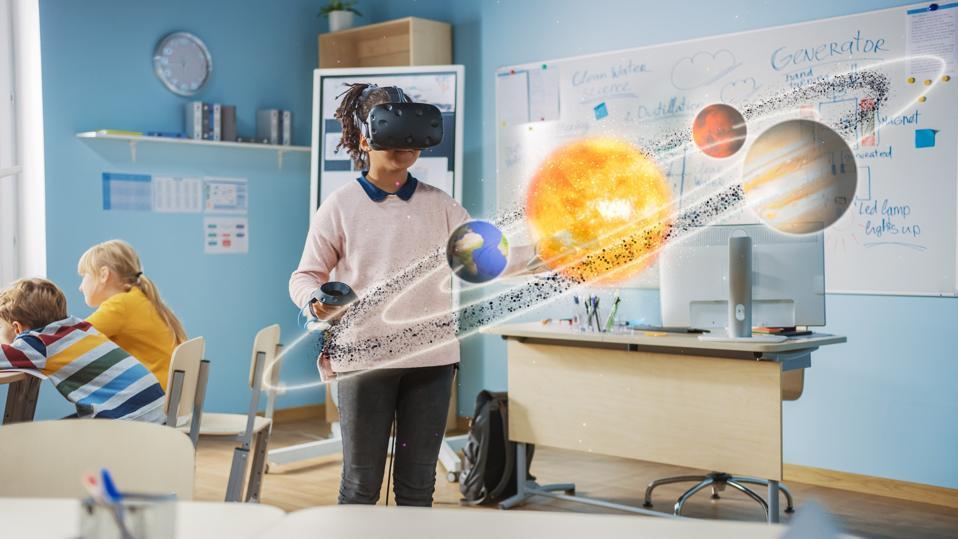
Virtual Reality (VR) in education is no longer a distant dream—it’s a fast-growing reality that turns classrooms into immersive learning environments. But budget constraints frequently enough stand as a hurdle when schools try to enhance education with new technology.The good news? Affordable VR solutions for schools are on the rise,making this transformative technology accessible to everyone. In this complete guide, we’ll explore the top 7 cost-effective VR solutions for schools, discuss the benefits, share practical tips for implementation, and look at real-world success stories.
Why Choose Cost-Effective VR Solutions for Schools?
Affordability shouldn’t mean compromising on quality.When selecting virtual reality classroom kits, schools must weigh factors like ease of use, curriculum compatibility, and total cost of ownership. By choosing budget-friendly VR technology for classrooms, educators can:
- Promote interactive, hands-on learning
- Enhance student engagement and motivation
- Offer virtual field trips and simulations without leaving the classroom
- Encourage collaboration and creativity
- Bridge the gap for students with diverse needs and learning styles
Top 7 Cost-Effective VR Solutions for Schools
Below, you’ll find our carefully curated list of the best and most affordable VR solutions for classrooms. Each option balances price, features, and educational value.
1. Google Cardboard & Expeditions
- Price Range: $10-$30 per headset
- Best for: Early VR adoption & introductory experiences
- Key Features: Uses smartphones and basic headsets; access to Google Expeditions VR field trips
Google Cardboard remains a pioneer for inexpensive VR in education. Its lightweight headset pairs with smartphones to offer 360-degree panoramic content. Even though Google Expeditions is now officially discontinued, many third-party apps and VR field trip resources compatible with Cardboard are still available. For schools just beginning their VR journey, Cardboard is an economical starting point.
2. ClassVR
- Price Range: Approx. $300 per headset (educational bulk pricing available)
- Best for: K-12, all-in-one classroom VR
- Key Features: Standalone headsets, teacher management portal, robust educational content library
ClassVR delivers complete VR classroom sets that don’t need smartphones or PCs, streamlining deployment and management. Teachers can control and guide student experiences directly from a user-friendly portal. Plus, ClassVR comes preloaded with hundreds of curriculum-aligned resources.
3. Oculus Quest 2 (Meta Quest 2)
- Price Range: Starting at $299 per headset
- Best for: High school STEM, immersive simulations, VR labs
- Key features: Wireless, powerful 3D experiences, thousands of VR apps and educational simulations
Oculus Quest 2 (now Meta Quest 2) offers an excellent price-to-performance ratio.With no need for external sensors or high-end computers,this standalone headset brings powerful VR education apps like MEL Chemistry,Anne Frank House VR,and Engage directly to the classroom.
4. Merge EDU with Merge Cube
- Price range: $20 for merge Cube,$49 per student per year for Merge EDU software
- Best for: interactive AR/VR STEM activities
- Key Features: Handheld AR/VR with smartphone/tablet,tactile experiences,extensive content for science and math
Merge EDU offers students the chance to hold virtual objects in their hands with its Merge Cube,enabling hands-on exploration of 3D models. Pair Merge Cube with affordable VR headsets and devices for a full immersive effect, perfect for science, geometry, and anatomy lessons.
5. Homido Grab VR Viewer
- Price Range: $15-$20 per headset
- Best for: Large-scale deployments on a tight budget
- Key Features: Durable design, compatible with all smartphones, works with various free and paid VR education apps
Specifically designed for education, the homido Grab is drop-resistant, washable, and agreeable for extended use. It’s an ideal solution for schools that already use tablets or smartphones in the classroom and wont to add basic VR capability.
6. veative VR Learn
- Price Range: Starts at $250 per headset with software subscription
- Best for: Interactive STEM learning and assessment
- Key Features: Standalone VR sets, analytics dashboard, large interactive modules library for science, math, and more
Veative VR Learn offers all-in-one headsets designed for robust classroom learning. It includes lessons, quizzes, and learning analytics for teachers, all mapped to global curriculums. Affordable group licensing lowers costs for larger departments or districts.
7.BYOD VR – Bring Your Own Device Strategies
- Price Range: Practically $0-$20 per student (if students use their own smartphones and basic headsets)
- Best for: Schools with existing device initiatives
- Key Features: Leverages student-owned devices with compatible VR viewers (like Google Cardboard or similar)
Many schools already have 1:1 device programs. By encouraging students to use their own smartphones with affordable viewers, schools can integrate VR at minimal extra cost. This approach works especially well for exploratory learning and rapid immersive lessons.
Benefits of Affordable VR Technology in the Classroom
- Enhanced Engagement: VR captures students’ attention and makes learning memorable.
- Differentiated Learning: Tailored VR journeys support students at different ability and accessibility levels.
- Global connection: Travel the world, time-travel through history, and explore unique perspectives—all from the classroom.
- Collaboration and Social Learning: Many VR platforms encourage team-based exploration and problem-solving.
- Safe Experimentation: VR allows virtual dissections, scientific simulations, and other complex activities in a risk-free environment.
Tips for Implementing VR Solutions on a School Budget
- Pilot Small: Start with a few headsets and expand as you demonstrate value and secure more funding.
- Seek Grants and Partnerships: many organizations support VR in education through grants or device donations.
- Train Staff: Provide workshops for teachers to integrate VR into their lessons effectively.
- Involve IT Early: Coordinate with IT staff for device management, Wi-Fi requirements, and cybersecurity.
- Engage Students: Let tech-savvy students assist in rollout and content creation.
- evaluate Content: focus on quality curriculum-aligned VR experiences, not just flashy demos.
Case Study: real-World Success with Budget VR in Schools
Lincoln Middle School in Colorado adopted a BYOD VR strategy using Google Cardboard and free 360-degree YouTube videos. After piloting VR in their social studies curriculum, engagement rates shot up and students reported a better understanding of world cultures. With just a $500 grant, the school purchased 50 durable viewers, making VR learning accessible in every classroom.
Similarly, a public school in Texas invested in Merge Cubes and discovered their science test scores rose significantly after regular AR and VR-powered lessons on the human body and molecular biology.
First-Hand Experience: Teachers Weigh In
“I was wary of introducing VR due to costs, but starting with Google Cardboard showed me how much students love interactive lessons. Now, we use a mix of Merge Cubes and ClassVR, and students are always excited for VR day!”
— Jessica watts, 6th Grade Science Teacher
“Affordable VR let us bring a dinosaur museum to our rural classroom. Students still talk about those lessons months later. It made a huge difference without breaking our tech budget.”
— Ron Cisneros, Elementary School Principal
Conclusion: Bringing the Future of Education to Every Classroom
Bringing VR to schools doesn’t have to empty your budget. With so many cost-effective VR solutions available—from google Cardboard to all-in-one devices like ClassVR—every school can find an affordable way to enhance classroom learning with immersive technology. By focusing on scalability,teacher training,and curriculum integration,even modest investments in VR can inspire curiosity,improve outcomes,and prepare students for a digital future.
Ready to make your classroom future-ready? Explore the affordable VR solutions above and take the first step towards extraordinary learning experiences!