
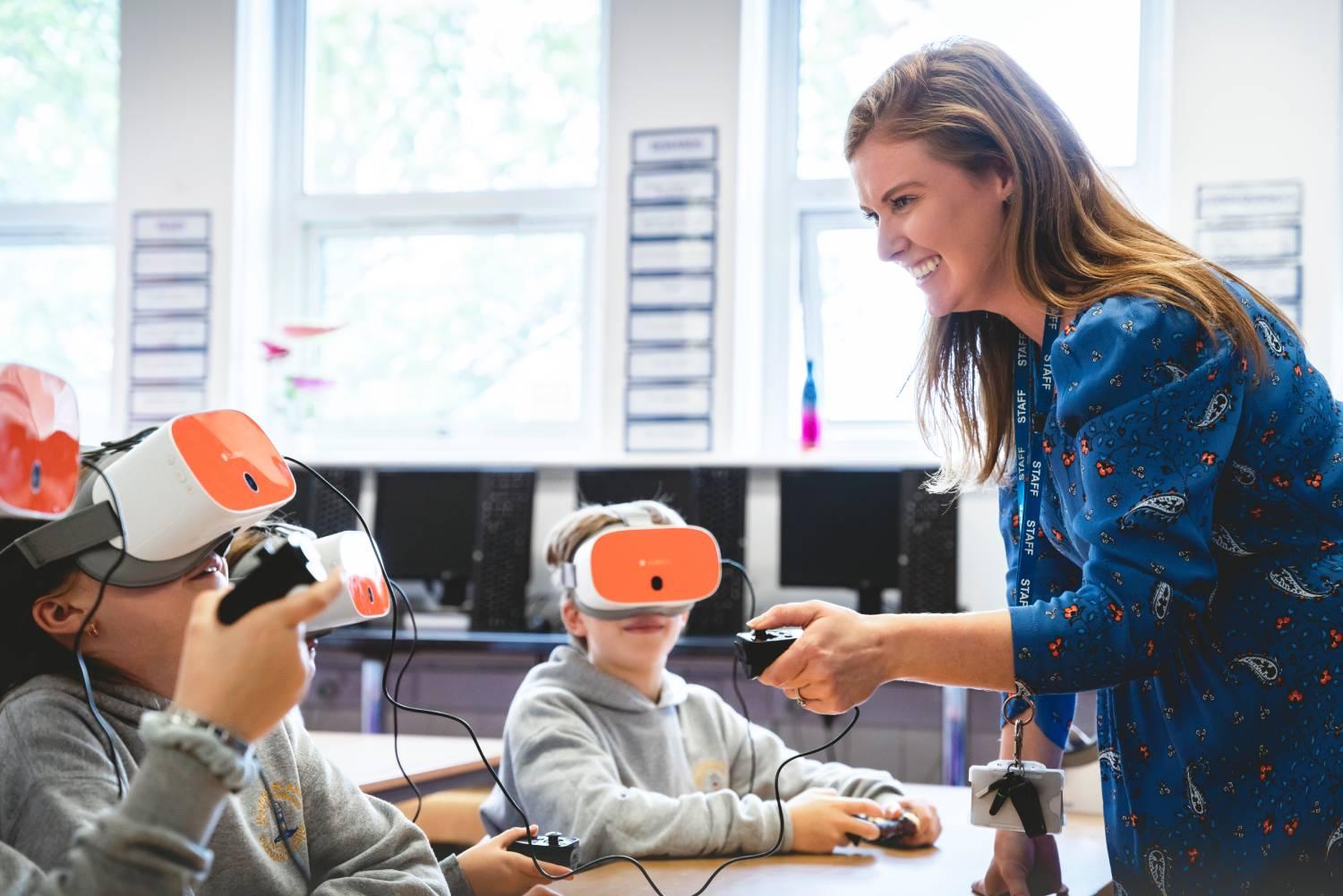
Top 7 Cost-Effective VR Solutions for schools: Affordable Tools to Transform Classroom learning
Introduction: Embracing Virtual Reality in Education
Virtual reality (VR) technology is making important waves in the world of education. Schools and educators are increasingly turning to affordable VR solutions to enhance student engagement, deepen understanding, and transform classroom learning. While the concept of immersive education might sound expensive, a growing array of budget-amiable VR tools make it feasible for schools with limited resources. In this article, we’ll explore the top 7 cost-effective VR solutions for schools, examine their benefits, and provide practical tips on implementation. Whether you’re a teacher, administrator, or parent, this guide will help you navigate the world of affordable VR for education.
The benefits of VR in the Classroom
- Engagement: Students are more attentive and motivated during immersive lessons.
- Enhanced Understanding: Complex concepts become tangible through interactive 3D visualizations.
- Inclusivity: VR can cater to various learning styles and provide experiences that would be unachievable in a traditional setting.
- Collaboration: Virtual environments foster teamwork and dialog skills.
- Safe Exploration: VR allows for safe simulations, such as exploring volcanoes or historical events, without leaving the classroom.
Implementing cost-effective VR classroom tools empowers educators to offer these benefits without straining their budgets.
Top 7 Affordable VR Solutions for Schools
Below are seven of the most affordable VR solutions for schools that offer powerful features, educational content, and user-friendly platforms. From versatile headsets to curriculum-focused apps, these tools are transforming learning environments globally.
1. Google Expeditions & Google Cardboard
- Description: Google Expeditions is a leading VR education tool that pairs with Google Cardboard, an inexpensive VR viewer made from cardboard and lenses.
-
Key Features:
- Hundreds of ready-made virtual field trips
- Easy to integrate with most smartphones
- Teacher-guided or self-directed experiences
- Cost Estimate: $10-20 per Cardboard headset, Expeditions app is free.
- Best For: Elementary through high school classrooms seeking low-cost entry to VR.
2. oculus Quest 2 (Meta Quest 2) for education
- Description: Though primarily a consumer device, the Oculus (Meta) Quest 2 is a wireless, all-in-one VR headset popular in educational settings.
-
key Features:
- Wide range of compatible educational apps
- No PC or wires required
- High-resolution visuals and capacity for AI-driven learning experiences
- Cost Estimate: Starts at $299 per headset.
- Best For: Middle and high schools with some technology budget and desire for more immersive VR.
3. ClassVR by Avantis
- Description: Designed specifically for education, ClassVR offers standalone headsets with a cloud-based portal for easy classroom management.
-
Key Features:
- Preloaded with thousands of educational resources
- centralized teacher controls and class management
- Customizable content uploads
- Cost Estimate: Around $400 per headset but bundled packages and multi-year options reduce costs considerably for schools.
- Best For: Schools seeking a scalable, all-in-one VR solution tailor-made for classroom environments.
4. Merge EDU Platform and Merge Cube
- Description: Merge Cube,paired with the Merge EDU platform,transforms any classroom into an interactive STEM lab using handheld,durable cubes and affordable viewers.
-
Key Features:
- Hundreds of STEM-focused AR/VR experiences
- Works with smartphones and tablets
- Hands-on explorations of human anatomy,earth science,math,and engineering concepts
- Cost Estimate: Merge Cube: $20 per unit; Merge EDU licenses: starting ~$99 per classroom/year.
- Best For: Elementary and middle school STEM classrooms.
5. Veative VR Learn
- Description: Veative combines affordable standalone VR headsets with an extensive content library aligned to K-12 curricula.
-
Key Features:
- over 550 interactive VR modules in science, math, and more
- Real-time analytics for teachers
- Offline capabilities
- Cost Estimate: Pricing varies; bulk packages can be very economical, especially for larger schools or districts.
- Best For: Schools prioritizing curriculum integration and data-driven instruction.
6. CoSpaces Edu
- Description: CoSpaces Edu is a powerful platform where students and teachers create their own VR and AR experiences.
-
Key Features:
- Drag-and-drop editor for easy project creation
- Coding integration for computer science education
- Compatible with simple VR viewers like Google Cardboard
- Cost Estimate: Free basic plan; affordable classroom licenses start at $75/year.
- Best For: Schools aiming to foster creativity, coding skills, and student-led projects.
7.Nearpod VR
- Description: nearpod offers an interactive lesson platform with integrated VR field trips, making it easy to add virtual experiences to any curriculum.
-
Key Features:
- 360-degree VR content covering history, geography, and science
- Device-agnostic—works on tablets, Chromebooks, and smartphones
- Interactive questions and activities built into lessons
- Cost Estimate: Free basic access, paid plans start at $159/year with further discounts for schools.
- Best For: Teachers looking to integrate VR into existing digital lesson plans seamlessly.
Tips for Successfully Integrating VR in Schools
- Start Small: Pilot programs with simple viewers like Google Cardboard help gauge student interest and demonstrate value.
- Leverage Free Content: Many VR platforms have free modules that cover a variety of school subjects, reducing content costs.
- Train Educators: Provide basic workshops to familiarize teachers with VR devices and classroom management tips.
- Prioritize Safety & hygiene: Establish routines for cleaning headsets, especially for younger students.
- Engage Parents: Show parents and the school community the value of VR through demonstrations or open days.
- Seek Partnerships: Look for local businesses,tech companies,or grant programs to support VR initiatives.
Real-World Success Stories & Case Studies
Schools worldwide have reported notable gains by adopting affordable VR solutions:
- Lincoln Middle School (USA): Using Google Expeditions, 7th-grade science teachers led virtual tours of the solar system—students scored 20% higher on post-unit assessments.
- St. Mary’s Primary (UK): After integrating ClassVR headsets, the school noted a marked improvement in student engagement, especially with reluctant learners.
- Innovative STEM Academy (Canada): merge Cube activities helped students “handle” 3D models in biology and geometry, boosting retention and classroom enthusiasm.
These examples illustrate how budget-friendly VR options can deliver significant educational impact when thoughtfully integrated.
Conclusion: Make Virtual Reality a Reality in Your School
With affordable devices, user-friendly platforms, and engaging educational content, VR is no longer an unattainable dream for schools. The top 7 cost-effective VR solutions for schools featured above demonstrate that any institution can harness the power of immersive technology to create dynamic, 21st-century classrooms.By starting small, leveraging grants or partnerships, and focusing on teacher readiness, your school can transform education for every student. Explore these affordable VR classroom tools and take the first step toward a more interactive and inspiring future of learning.