
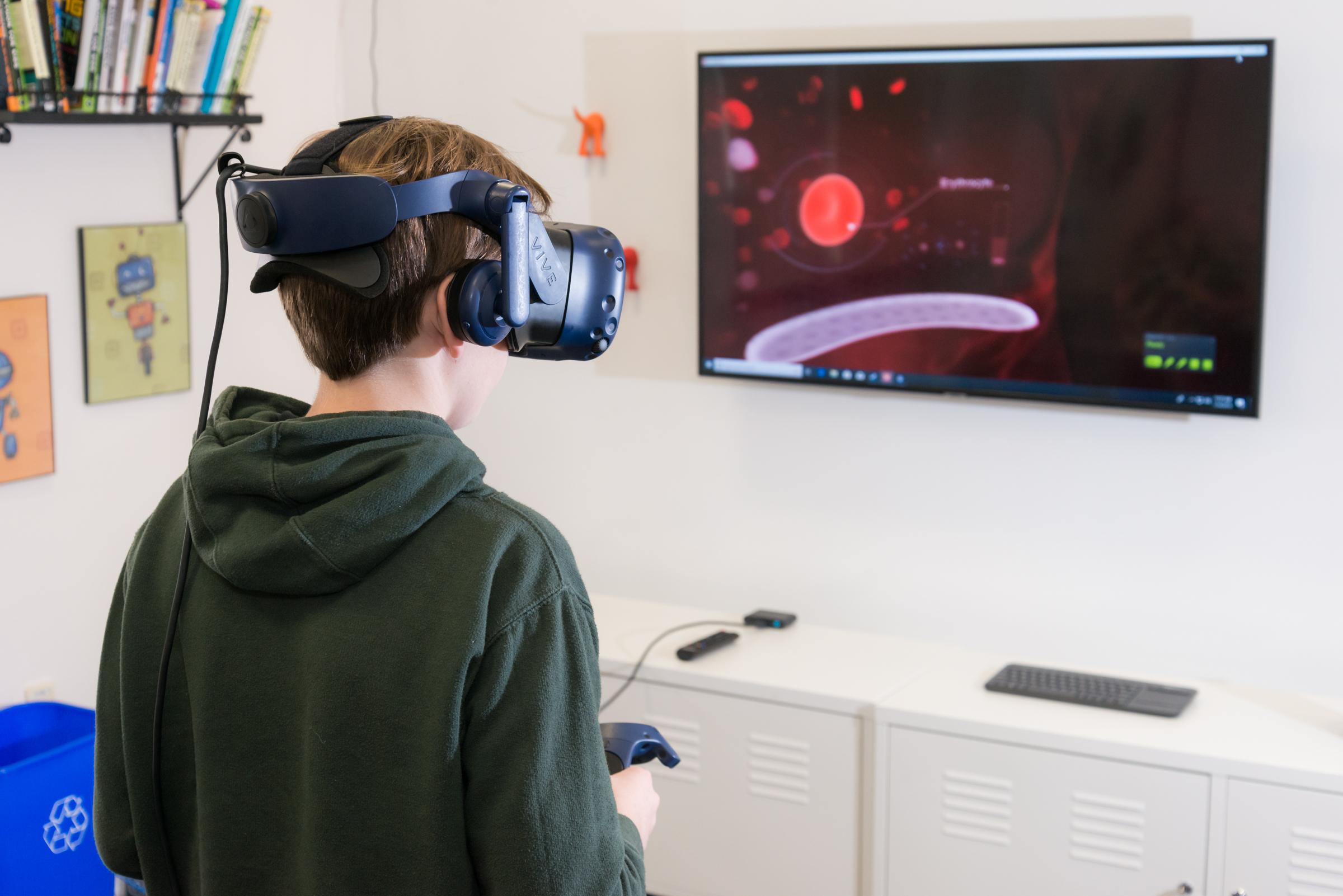
Top 7 Cost-Effective VR Solutions for Schools: Affordable virtual Reality for Classrooms
Virtual reality for classrooms is quickly shaping the future of education, offering immersive and interactive experiences that traditional teaching methods can’t match. Yet,many schools believe that VR technology is far beyond their budget. The good news? There are numerous cost-effective VR solutions for schools that make this innovative technology accessible to every classroom. In this complete guide, we’ll explore the top affordable VR options, key benefits, and practical tips to successfully integrate virtual reality in your school.
Why Choose Affordable VR Solutions for Schools?
Integrating virtual reality in classrooms brings immense educational benefits:
- Increased Engagement: Deliver captivating,hands-on learning that motivates students.
- Enhanced Retention: Immersive experiences boost knowledge retention and long-term understanding.
- Accessible Exploration: Take virtual field trips and explore environments that were previously out of reach.
- Inclusive Learning: Cater to diverse learning styles with interactive and visual content.
- STEM Skill Growth: Encourage problem-solving, collaboration, and digital literacy.
Thankfully, you don’t have to break the bank to bring these benefits to your students. Let’s dive into the most affordable virtual reality solutions for schools available today.
Top 7 Cost-Effective VR Solutions for Schools
Hear’s a carefully curated list of affordable virtual reality platforms and devices perfect for school budgets. Each solution is evaluated for its price,ease of use,and educational value.
-
Google Expeditions (Now Google Arts & Culture VR)
Price: Free (app), plus the cost of simple viewers like Google Cardboard.
Google Expeditions, now merged with Google Arts & Culture VR, offers an extensive library of virtual field trips in science, history, art, and more. By simply pairing smartphones with affordable Google Cardboard viewers, schools can bring VR lessons to life without costly equipment.
- Over 900+ VR tours available.
- Resources for teachers and students.
- Easy setup; works with most smartphones.
-
ClassVR
Price: starting around $350 per headset (with classroom sets discounted).
Specifically designed for education, ClassVR offers dedicated VR headsets with cloud-based management. Their curriculum-aligned content covers a broad range of subjects and includes training and support for teachers.
- Standalone headsets (no phone required).
- Centralized teacher controls & lesson plans.
- Secure, durable, and easy for kids to use.
-
Oculus Quest 2 (Meta Quest 2)
Price: From $299 per unit.
The Oculus Quest 2 is one of the most popular and versatile VR headsets. While not strictly built for education, it supports a huge library of VR educational apps—ranging from virtual science labs to language learning experiences.
- wireless, standalone device with easy setup.
- Wide variety of educational and creative apps.
- Excellent graphics and interactive experiences.
-
Merge EDU & Merge VR Headset
Price: $49.99 per headset; Merge EDU platform has a free tier and affordable plans.
Designed for K-12 classrooms, Merge offers foam VR headsets suitable for children and an engaging app ecosystem (Merge EDU) that brings AR and VR science labs to life.
- Durable, washable, and pleasant design.
- Compatible with most smartphones.
- Interactive science simulations and digital field trips.
-
Discovery Education VR
Price: Monthly/annual school subscriptions; affordable for groups.
discovery Education offers immersive VR content for classrooms, including virtual field trips and interactive labs. Their platform integrates with regular lesson plans, ideal for teachers looking to enhance curriculum delivery.
- Access to a vast content library.
- Seamless integration with learning management systems (LMS).
- Resources and training for educators.
-
EXP360
Price: free and premium plans.
EXP360 enables teachers to create and share personalized,interactive virtual tours. Its affordable pricing and compatibility with basic VR viewers make it perfect for schools on a budget.
- No hardware purchase required; works on smartphones + cardboard viewers.
- Customizable tours for any subject.
- Great for project-based and interactive learning.
-
CoSpaces Edu
Price: Free with paid upgrades (school discounts available).
CoSpaces Edu empowers students to build their own 3D worlds and VR experiences, fostering creativity and digital skills. Works on web browsers,tablets,and most VR headsets.
- Encourages STEAM, coding, and storytelling.
- Cross-platform; VR and AR features included.
- Active teacher community and resources.
Practical Tips for Implementing VR in the Classroom
- Start Small: Begin with a pilot project using low-cost viewers like Google Cardboard and scale up.
- leverage Free content: Explore platforms such as Google Arts & Culture, Merge EDU, and CoSpaces Edu for free or low-cost experiences.
- Train Teachers: Invest time in training educators to maximize the impact of VR lessons.
- Rotate equipment: Use classroom sets efficiently by rotating headsets among groups of students.
- Ensure Device Safety: Clean and sanitize VR devices regularly, especially in shared environments.
- Engage Parents: Share the benefits of virtual reality in education with parents to build excitement and support.
Case Study: Success with Affordable VR in Action
Lincoln Elementary, Ohio: After investing in 15 Merge VR Headsets and leveraging free content from google Arts & Culture, Lincoln Elementary School saw a 35% increase in student participation in STEM subjects. Teachers reported that VR field trips made history and science “come alive,” especially for students who struggled with traditional textbooks.
By focusing on affordable solutions and teacher training, Lincoln Elementary successfully transformed their learning environment without exceeding their tech budget.
Frequently Asked Questions (FAQ) About VR in Education
What is the best VR solution for a small school budget?
Google Cardboard with Google Arts & Culture, Merge VR, and CoSpaces Edu are excellent entry-level options that deliver value at minimal cost.
Is affordable VR safe for children?
Yes, when used under supervision with age-appropriate content, VR is safe. Choose solutions designed for educational use and always observe recommended time limits.
Do we need high-end computers for classroom VR?
With standalone headsets like meta Quest 2 or smartphone-based viewers, no high-end computers are needed. Many affordable VR solutions work with existing school technology.
How can we find free VR content for schools?
Platforms like Google Arts & Culture VR, CoSpaces Edu, Merge EDU, and EXP360 offer extensive free or low-cost educational content.
Conclusion: Make Virtual Reality a Reality in Your School
Transforming education with technology doesn’t have to be expensive. With these cost-effective VR solutions for schools, you can provide powerful, immersive learning experiences on a budget. From Google Arts & Culture VR to Merge VR, there’s an option for every classroom size and subject area. Start small, explore free resources, and gradually incorporate affordable virtual reality for classrooms—and watch your students’ excitement for learning soar!
Ready to revolutionize your school’s teaching methods? Begin your VR journey today and inspire a new generation of curious, engaged, and tech-savvy learners.