
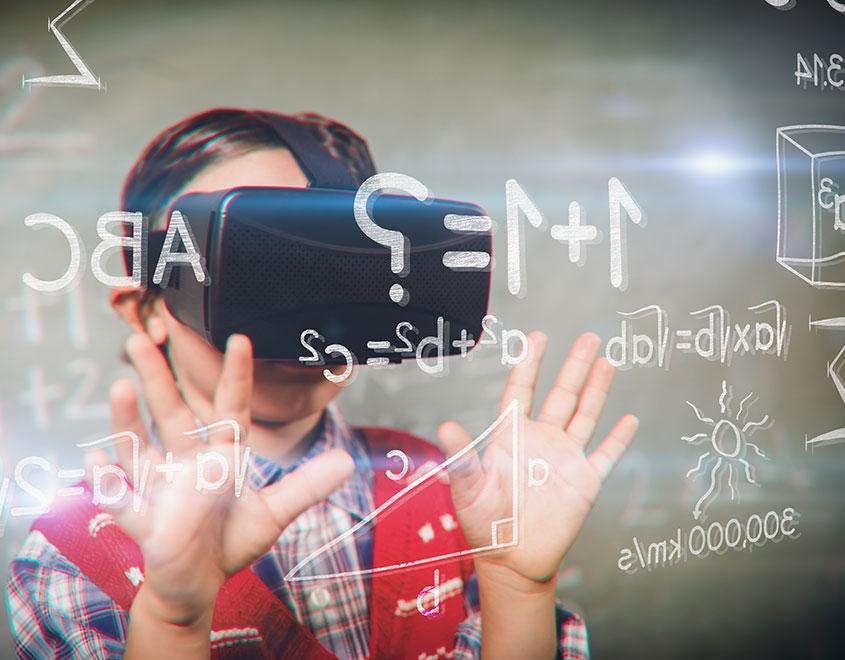
Top 7 Cost-Effective VR solutions for Schools: Affordable Virtual Reality for Education
Virtual reality is revolutionizing the way students learn, making education both immersive and interactive. Yet, many educators and administrators hesitate due to perceived high costs. The good news? Affordable virtual reality solutions for education are now more accessible than ever. In this thorough guide, we unveil the top 7 cost-effective VR solutions for schools, discuss their advantages, and offer practical implementation tips.
Why Virtual Reality in Education Matters
Virtual reality technology brings lessons to life, enabling students to explore historical events, conduct safe chemistry labs, and travel the globe—all without leaving the classroom. With its ability to foster engagement, improve retention, and cater to diverse learning styles, VR is rapidly gaining traction in educational settings. However, schools must balance innovation with budgets. Let’s dive into how affordable VR can transform learning environments.
Benefits of Affordable VR Solutions for Schools
- Enhanced Engagement: Interactive 3D environments stimulate curiosity and participation.
- Experiential Learning: Students grasp complex concepts through hands-on experiences.
- safe Simulations: Practice experiments or virtual field trips without real-world risks.
- Accessibility: Affordable VR makes advanced learning tools accessible to more schools.
- Collaboration: Many VR platforms enable group activities, teamwork, and dialog.
The top 7 Cost-Effective VR Solutions for Schools
Selecting the right VR solution depends on your school’s unique needs and budget.Here are seven affordable virtual reality options designed for educational excellence.
1. Google Expeditions & Google Cardboard
- Overview: Google Expeditions, paired with Google Cardboard viewers, is a pioneer in educational VR, allowing students to take virtual field trips and explore interactive lessons.
- Why it’s cost-effective: Google Cardboard viewers are extremely affordable (often under $20 per unit). Google Expeditions content is free and works with most smartphones.
- Best for: Schools with limited budgets, BYOD (Bring Your Own Device) policies.
2. ClassVR
- Overview: Designed specifically for education, ClassVR offers standalone headsets, a curated content library, and a teacher portal for lesson planning.
- Why it’s cost-effective: Provides bundled pricing for school sets.Includes all-in-one devices, eliminating the need for external phones or PCs.
- Best for: Schools seeking a ready-to-use package with strong curriculum support.
3. Oculus Go (Refurbished Units)
- Overview: While discontinued,Oculus Go remains a popular choice among schools for its wireless functionality,ease of use,and compatibility with various educational apps.
- Why it’s cost-effective: Refurbished or used units are available at notable discounts (often under $100 each).
- Best for: Schools wanting immersive,wireless VR experiences on a budget.
4. MERGE VR Headset & MERGE Cube
- Overview: The MERGE VR headset is a durable, affordable viewer, and the MERGE Cube adds interactive AR/VR experiences, turning the cube into a holographic learning tool.
- Why it’s cost-effective: headsets and cubes are both inexpensive, compatible with smartphones, and feature a wide range of free and paid educational apps.
- Best for: STEM,biology,and earth science classes looking for tactile,3D explorations.
5. Mattel View-Master VR
- Overview: A modern take on the classic toy, the View-Master VR is a sturdy, kid-friendly viewer using smartphone-based VR and special content reels.
- Why it’s cost-effective: Low-cost hardware with educational content available at minimal extra charges.
- Best for: Elementary schools and younger students.
6. Samsung Gear VR
- Overview: Once the leading mobile VR headset, Samsung Gear VR supports hundreds of educational apps and can be sourced at a fraction of its original cost.
- Why it’s cost-effective: Compatible with many existing Samsung devices; refurbished headsets are readily available.
- Best for: Schools using Samsung smartphones or with access to affordable Android devices.
7. PICO G2 4K
- Overview: Pico’s standalone VR headset offers high-quality, wireless VR without ongoing software subscription fees.
- Why it’s cost-effective: Mid-range price with enterprise-level features,robust durability,and strong compatibility with educational apps.
- Best for: schools seeking a future-proof, standalone VR solution.
How Schools Can Implement Affordable VR
Integrating virtual reality into classrooms doesn’t require a massive overhaul. here are some practical tips for a seamless transition:
- Start Small: Pilot VR in one classroom before scaling school-wide.
- Leverage Grants: Explore educational technology grants or partnerships with local organizations.
- Involve IT Early: Ensure compatibility with school networks and devices.
- Train Educators: Offer professional growth workshops focused on integrating VR into lesson plans.
- Emphasize Safety: Establish hygiene protocols for headsets, especially in shared device environments.
Case Study: VR Makes History Real at Willowbrook Middle School
At Willowbrook Middle School, a single set of ClassVR headsets transformed history lessons. Students virtually walked through ancient Rome, explored the Colosseum, and engaged with historical artifacts. Engagement soared, with teachers reporting a 40% improvement in knowledge retention. Principal Laura Martinez shared, “VR brought excitement back to the classroom without straining our budget.”
First-Hand Testimonial: Teacher Outlook on Affordable VR
“Our school started with just 10 Google Cardboard viewers. The kids were amazed—they visited the Great barrier Reef and Mars! We now use MERGE Cubes for hands-on science, making lessons fun and memorable. these affordable VR solutions really make a difference.”
— Sarah Kim, 5th Grade Teacher, washington Elementary
best Practices: Maximizing the Impact of Virtual Reality in education
- Align VR experiences with curriculum standards to reinforce key learning objectives.
- Combine VR with customary teaching methods for comprehensive learning.
- Gather student feedback to guide future VR lesson planning and expansion.
- Rotate devices between classes to maximize usage and value.
Conclusion: Making Immersive Learning a Reality on a Budget
Affordable virtual reality solutions for schools are not a distant dream—they’re a practical opportunity. By choosing the right cost-effective VR platform, schools can deliver captivating, interactive lessons that transcend the boundaries of traditional education. With careful planning,staff support,and creative lesson integration,any institution can unlock the power of virtual reality in the classroom.
Ready to transform your school’s educational experience? Explore these top 7 cost-effective VR solutions and make immersive learning accessible today!