
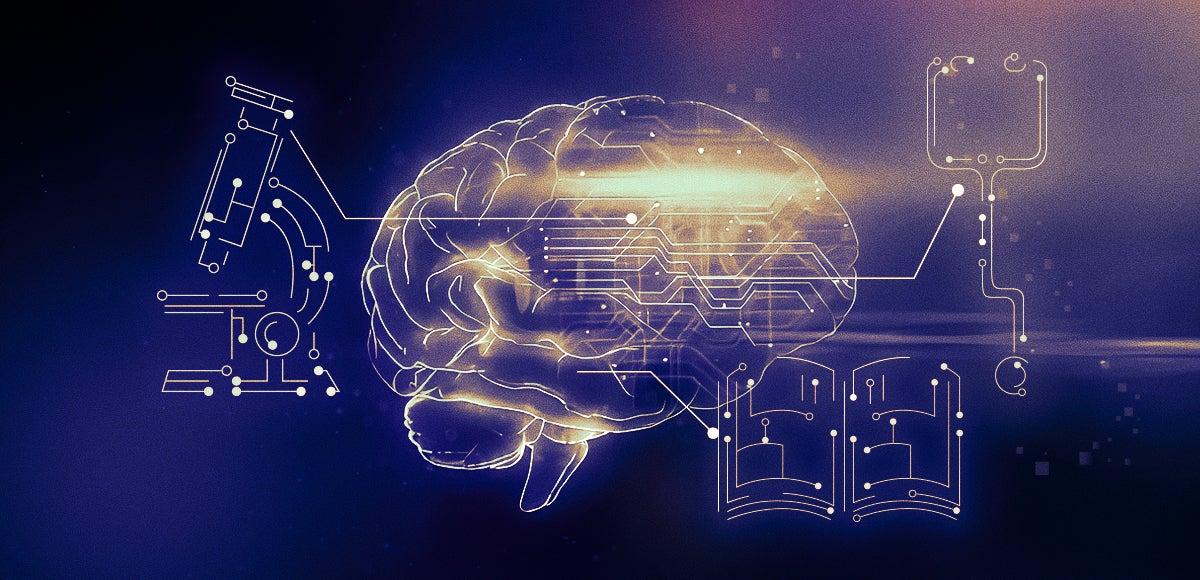
Top 7 Future Trends in Digital learning Environments Shaping Education
Education is undergoing an unprecedented change, driven by the rapid evolution of technology and the ever-changing needs of learners in a digital world. Digital learning environments are at the forefront of this revolution, offering students and educators new ways to interact, engage, and achieve outstanding outcomes.In this article, we’ll delve into the top 7 future trends in digital learning environments shaping education, highlighting emerging technologies, strategies, and best practices that will define the coming years.
Table of Contents
- What are Digital Learning Environments?
- 1. Artificial Intelligence and Personalized Learning
- 2. Immersive Learning with AR & VR
- 3. Mobile Learning & Microlearning
- 4. Advanced Data Analytics and adaptive assessments
- 5.Gamification and Game-Based Learning
- 6. Collaborative and Global Classrooms
- 7. Seamless Integration of EdTech Tools
- Benefits and Practical Tips for Educators
- Conclusion: Embracing the Future of Education
What are Digital Learning Environments?
Digital learning environments (DLEs) refer to platforms, tools, and ecosystems that leverage digital technologies to facilitate teaching and learning.These can range from Learning Management Systems (LMS) like Moodle or Canvas, to more integrated spaces combining video lessons, interactive simulations, AI tutors, and collaborative projects.
Key features of modern dles include:
- Anywhere, anytime access via the cloud
- Highly interactive and multimedia-rich content
- Personalized learning journeys
- Real-time assessment and feedback
1. Artificial Intelligence and personalized Learning
Artificial intelligence (AI) is revolutionizing digital learning environments. AI-powered systems analyze student progress, learning styles, and preferences, delivering customized content and pacing for each learner. Here’s how AI is shaping education:
- Adaptive Learning Platforms: Technologies like DreamBox and Socratic use machine learning to dynamically adjust lessons based on student performance.
- Smart Tutors & Chatbots: AI assistants offer instant answers, explanations, and personalized feedback 24/7.
- automated Grading: Reduces administrative workload and provides real-time insights into student understanding.
With AI, digital learning environments are increasingly able to cater to individual needs, improving engagement and outcomes.
2. Immersive Learning with AR & VR
Augmented Reality (AR) and Virtual Reality (VR) are creating highly engaging, experiential learning opportunities previously unimaginable in conventional classrooms.
- Virtual Field Trips: Students can explore the Pyramids of Egypt or the surface of Mars using VR headsets.
- Interactive laboratories: AR overlays and simulations allow safe, repeatable science experiments and anatomy explorations.
- Skills Training: VR enables hands-on practice of complex tasks—like surgery or engineering repairs—in risk-free environments.
As AR and VR become more affordable and accessible, their integration into digital learning environments will only accelerate, making learning immersive and memorable.
3. mobile Learning & Microlearning
With learners using smartphones and tablets as their primary devices, mobile learning (or mLearning) is a trend that continues to grow. Coupled with microlearning—delivering content in bite-sized chunks—students can build skills and knowledge on-the-go.
- Short, Interactive Modules: videos, quizzes, and flashcards that fit into busy schedules.
- Push Notifications & Reminders: Maintain learner engagement and progress through regular nudges.
- Offline Access: Enables learning in low-connectivity environments, bridging the digital divide.
This trend improves accessibility and ensures learning fits modern lifestyles, from busy professionals to remote students.
4. Advanced Data Analytics and Adaptive Assessments
Modern digital learning environments generate vast amounts of data.Advanced analytics harness this information to:
- Track progress: Real-time dashboards let educators spot trends and intervene early.
- Personalize Content: Analytics inform recommendations for activities and resources that meet individual needs.
- Adaptive Assessments: Automatically adjust question difficulty based on responses, providing a tailored challenge and more accurate measurement of learning.
Data-driven insights empower teachers, students, and administrators to make informed decisions and improve learning outcomes.
5. Gamification and Game-Based Learning
Gamification applies elements of game design—such as points, badges, leaderboards, and challenges—to educational settings. Game-based learning takes it a step further, using actual games as the vehicle for learning.
- Increased Motivation & Engagement: Making learning fun encourages persistence and deepens understanding.
- Immediate Feedback: Games provide rapid feedback, helping students learn from mistakes and celebrate achievements.
- Development of Soft Skills: Collaboration,critical thinking,and digital literacy are all promoted in well-designed educational games.
Implementing gamification in digital learning environments can transform education into a more dynamic, enjoyable, and effective experience.
6. Collaborative and Global Classrooms
The digital era has removed geographical barriers, allowing students and teachers from around the world to connect, share ideas, and co-create knowledge.
- Real-Time Collaboration: Tools like Google Workspace, Microsoft Teams, and online whiteboards enable seamless teamwork.
- Global Perspectives: Connecting classrooms internationally fosters cultural understanding and prepares students for a globalized workforce.
- Peer-to-Peer Learning: Students benefit from diverse opinions and learning strategies, building empathy and adaptability.
Digital learning environments encourage collaboration beyond borders,cultivating a rich,interactive,and inclusive learning community.
7. Seamless Integration of EdTech Tools
The educational technology landscape is vast, with a multitude of specialized tools for assessment, content creation, dialog, and more. The future trend is towards seamless integration within centralized digital learning environments:
- Unified Dashboards: Students and educators can access assignments, grades, resources, and feedback in one platform.
- Single Sign-On (SSO): Reduces barriers to access and streamlines digital workflows.
- API Connectivity: Allows data and content to flow freely between systems for personalized learning pathways.
Integrated EdTech ecosystems help create more efficient, scalable, and user-friendly learning experiences for all stakeholders.
Benefits and Practical Tips for Educators
Key Benefits
- Increased Engagement: Interactive content and gamified elements boost student participation.
- Accessibility: Mobile and cloud-based solutions make learning available anytime, anywhere.
- Personalization: AI and analytics enable tailored instruction for diverse learner needs.
- Scalability: Digital tools can be rapidly deployed to reach large numbers of students efficiently.
Practical Tips for Implementing Future Trends
- Start Small: Pilot new technologies or strategies with one class or unit before scaling up.
- Invest in professional Development: Ensure teachers and staff are comfortable and confident using digital tools.
- Solicit Feedback: regularly gather input from students and educators to refine the learning experience.
- Focus on Equity: Address digital divides by providing devices,connectivity,or option resources where needed.
- Prioritize privacy & Security: Adopt best practices for data protection and student safety in digital environments.
Case Study: A School’s Digital Transformation Journey
One notable example is the Pulaski County Schools in Arkansas, USA. in 2018,they introduced a thorough digital learning surroundings combining an LMS,AI-powered tutoring,and collaborative projects. The result:
- Reading and math test scores improved by 17% after 18 months.
- Student engagement surveys rose by 40%.
- Teachers reported time savings and better data to inform instruction.
This case illustrates how thoughtfully implemented digital learning trends can create measurable, positive impacts in real classrooms.
Conclusion: Embracing the Future of Education
The pace of change in educational technology is breathtaking, but one thing is clear: future trends in digital learning environments will continue to shape and redefine how we teach and learn. Embracing innovations such as AI, immersive media, mobile and microlearning, gamification, advanced analytics, global collaboration, and integrated EdTech tools will ensure schools and institutions remain relevant and effective in preparing students for success in the digital age.
By staying informed, investing in professional growth, and putting learners at the center, educators can harness these game-changing trends and create vibrant, inclusive, and impactful learning experiences for generations to come.