
Top 7 Future trends in Digital Learning Environments: What to Expect in Education Innovation
The world of education is evolving at lightning speed. With technology driving unprecedented change, digital learning environments have become the backbone of modern education—from K-12 classrooms to higher education and corporate training. As we move deeper into 2024 and beyond, understanding the future trends in digital learning environments is essential for educators, learners, and EdTech innovators alike.
This thorough guide explores the top 7 trends shaping the future of digital learning, highlights real-world examples, and offers actionable tips for maximizing these education innovations.
Why Focus on Digital Learning Innovation?
Digital learning environments are redefining how education is delivered, accessed, and personalized. The key benefits include:
- Accessibility: Breaking down barriers to education, regardless of location or background.
- Personalization: Tailoring content to individual learning styles and paces for better outcomes.
- Engagement: Leveraging multimedia, gamification, and social learning to keep students motivated.
- Scalability: Making quality education available to larger audiences with fewer resources.
Top 7 Future Trends in Digital Learning Environments
1. Artificial Intelligence (AI) and Adaptive Learning
Artificial intelligence is at the forefront of education innovation. AI-powered digital learning platforms can assess students’ strengths and weaknesses, providing adaptive content and personalized recommendations.
- Real-Time feedback: AI tutors deliver instant feedback, helping learners correct mistakes quickly.
- Adaptive Assessments: Quizzes and activities adjust in real-time based on student performance.
Case Study: Platforms like Khan Academy and Duolingo utilize AI algorithms to offer tailored lesson paths that increase retention rates.
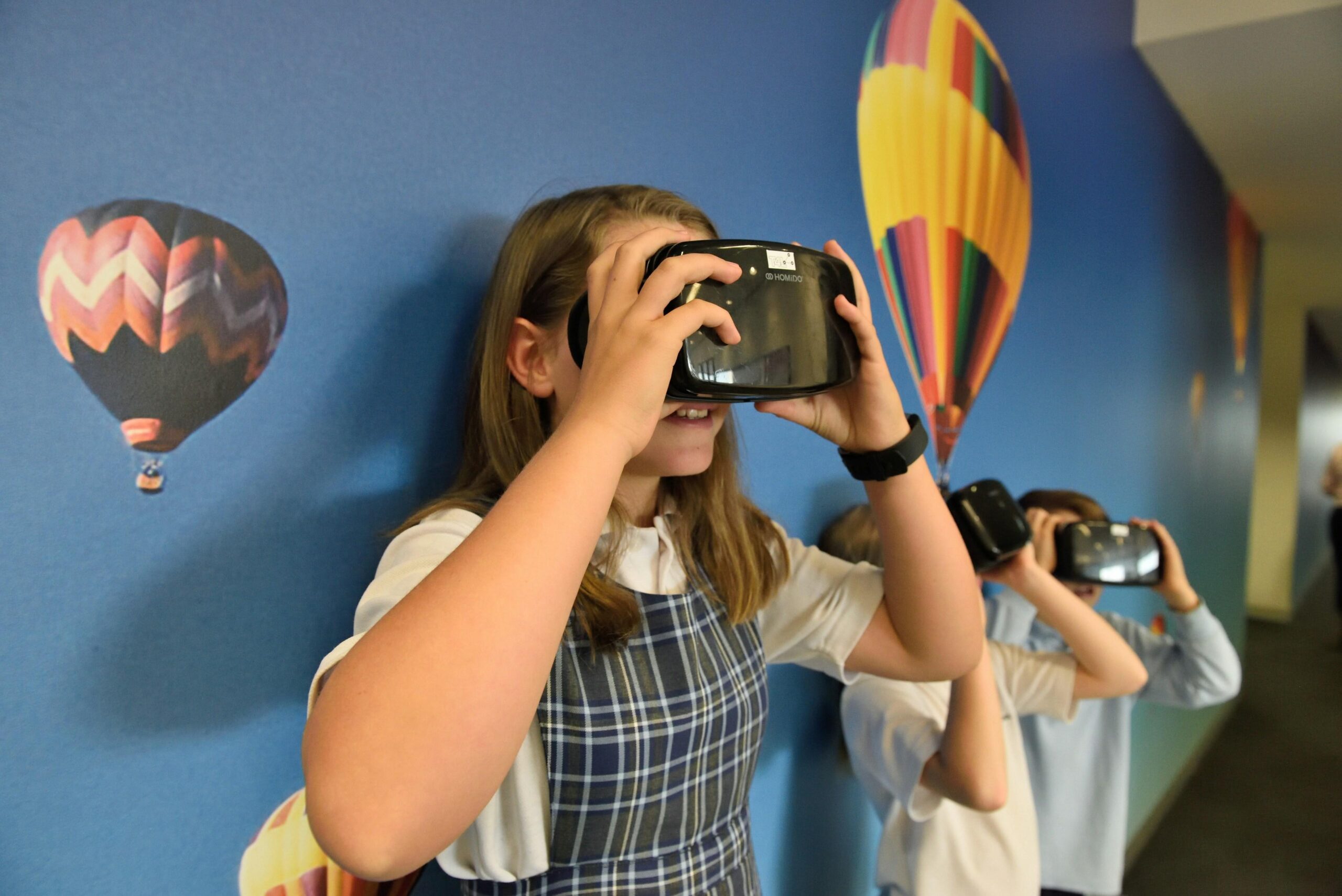
2. Immersive technologies: Virtual Reality (VR) and Augmented Reality (AR)
Immersive technologies are revolutionizing online education with interactive simulations and experiential learning.
- Virtual Classrooms: VR creates realistic environments for science experiments and historical reconstructions.
- Augmented Learning: AR overlays interactive content on the real world for hands-on problem solving.
First-hand Experience: Students in medical schools are using VR to practice surgeries in risk-free virtual environments.
3. Microlearning and Bite-sized Content
As attention spans shrink, microlearning is gaining traction. Short, focused learning modules are easier to digest and perfect for the mobile-first generation.
- Short videos, quizzes, and infographics for just-in-time learning.
- Customization for busy schedules and on-the-go learners.
Tip: Incorporate microlearning modules in your curriculum to boost engagement and knowledge retention.
4.Gamification in Education
Gamification applies elements of game design—like points, badges, and competitive leaderboards—to make learning more engaging.
- Rewards systems encourage participation and perseverance.
- Collaborative challenges foster teamwork and interaction skills.
Example: Platforms such as Kahoot! and Classcraft are transforming customary lessons into interactive experiences.
5. data-Driven Insights and Learning Analytics
EdTech platforms are increasingly harnessing the power of learning analytics to track student progress, measure effectiveness, and inform instructional decisions.
- Early detection of learning gaps and interventions for at-risk students.
- continuous curriculum advancement based on real data.
Tip: Utilize built-in analytics tools in your LMS to refine lesson plans and provide targeted support.
6. Social and Collaborative Learning Environments
Digital learning environments are placing a renewed focus on peer-to-peer collaboration and social learning. Discussion boards,group projects,and real-time chat features boost creativity and teamwork.
- Virtual study groups and collaborative projects replicate in-person interactions online.
- Global classrooms enable students from diffrent cultures to learn together.
Example: Microsoft Teams for Education and Google Classroom offer integrated collaborative tools for a seamless learning experience.
7. The Rise of Lifelong and Personalized Learning Paths
The future of education is not limited to childhood or adolescence.Lifelong learning and personalized educational journeys are reshaping the way individuals acquire skills throughout their lives.
- On-demand courses for upskilling and reskilling in dynamic job markets.
- AI-driven recommendations support individualized study plans and career pathways.
Case Study: LinkedIn Learning and Coursera are empowering millions of professionals to pursue customized learning on their own schedules.
Benefits of Embracing Future Trends in Digital Education
Institutions and learners who adapt to these education innovation trends enjoy multiple benefits:
- Increased engagement and motivation among students.
- Better retention and understanding of complex topics.
- Greater inclusivity and global reach.
- Efficiency in learning and teaching processes.
- Enhanced data to inform policy and practice.
practical Tips for Staying Ahead in Digital Learning
- Stay Updated: Follow reputable EdTech news sources for the latest innovations and tools.
- Pilot New Technologies: Test VR, AI, or gamified solutions with small groups before wider adoption.
- Invest in Professional Advancement: Train educators and staff to maximize new digital platforms.
- Gather Feedback: Involve students in the decision-making process to ensure relevance and usability.
- Focus on Accessibility: Choose platforms compliant with accessibility standards to serve every learner.
Conclusion: Shaping the Future of Education
The landscape of digital learning environments is evolving at an incredible pace. By embracing trends like AI, immersive technologies, microlearning, and data-driven insights, educators and administrators can ensure they’re not only keeping up with change—but leading it.
The journey toward true education innovation is ongoing, requiring collaboration among learners, educators, institutions, and EdTech pioneers. By staying informed and adaptable, you can unlock the full potential of digital learning in 2024 and beyond.
Ready to explore or implement these future trends in your own digital classroom? Start today—and help shape a brighter, more inclusive future for learners everywhere.