
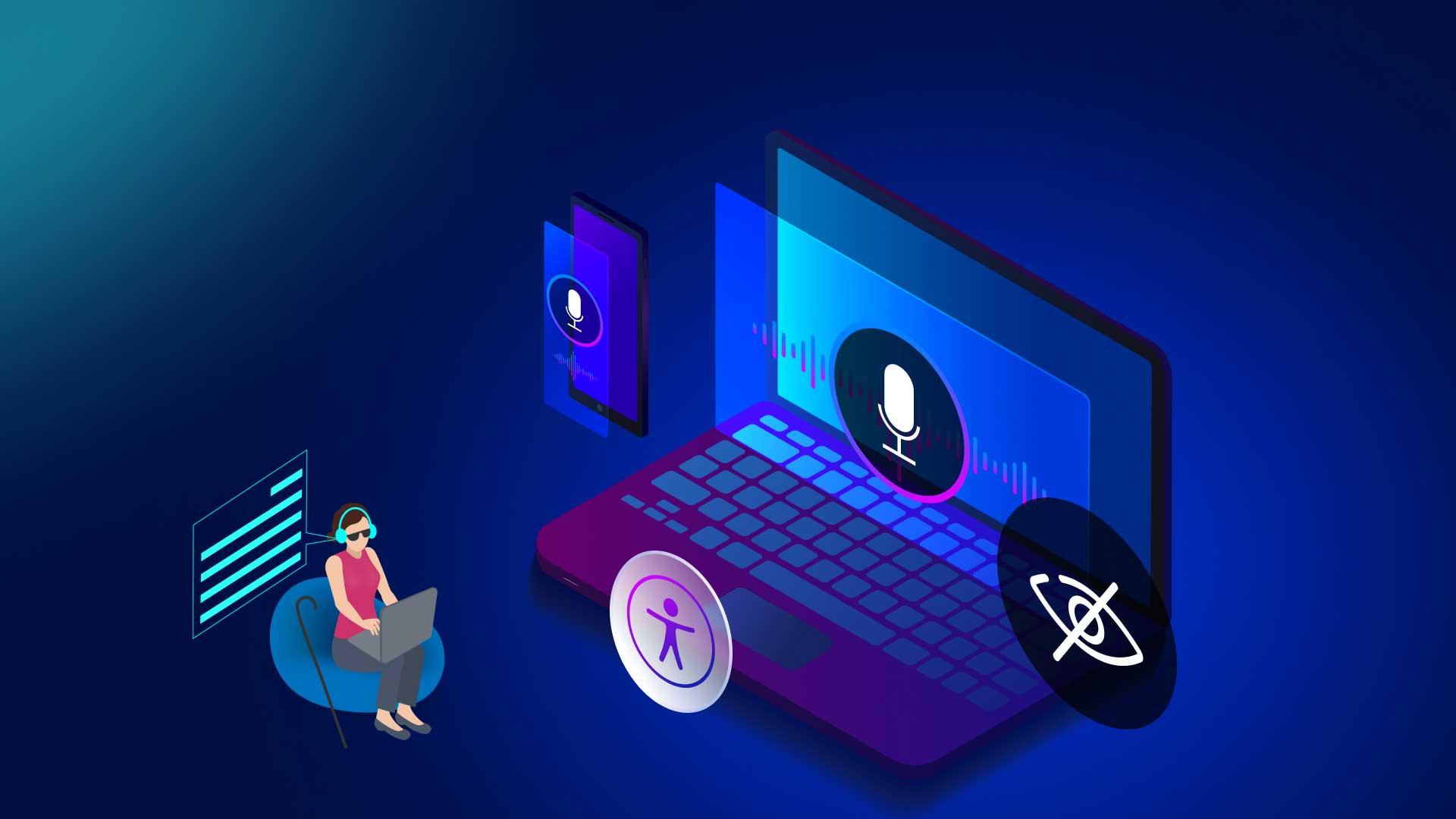
Top Accessibility Specialist Roles: Enhancing Learning Tools for Inclusive Education
In today’s dynamic educational landscape, the spotlight on inclusive learning has become brighter than ever before, driven by rapid technological advancements. As universities, colleges, and schools invest in EdTech, there is a rising demand for accessibility specialists—professionals dedicated to making digital learning environments usable for everyone, including students with disabilities. If you’re a job seeker aiming to enter education technology as an accessibility specialist, understanding the scope, key roles, and pathway to these rewarding positions is essential. In this extensive guide, we’ll explore these careers, highlight their meaning, and share practical advice for landing your dream job in inclusive education technology.
Understanding Accessibility in Education Technology
Accessibility in education technology ensures that digital tools and resources are usable by learners of all abilities. Whether through screen readers, captions, alternative text, or adaptive assessments, accessible learning environments foster equitable participation and success for all students.As learning increasingly shifts online, accessibility specialists play a crucial role in shaping an inclusive, supportive educational experience.
Why Accessibility Specialists Matter in Universities, Colleges, and Schools
- Compliance: Accessibility specialists help institutions comply with legal standards such as the Americans with Disabilities Act (ADA) and Section 508, safeguarding against discrimination and potential legal challenges.
- Student Success: When learning tools are accessible, all students—including those with visual, auditory, cognitive, or mobility impairments—can fully engage, boosting retention and achievement.
- Innovation: By advocating for global design principles,accessibility experts drive continuous improvement in educational technology,benefiting not just students with disabilities but the entire student body.
Top accessibility Specialist Roles in Education Technology
If you’re passionate about creating equitable learning environments, here are the top job titles and positions to explore at universities, colleges, and schools:
1. Digital Accessibility Specialist
Digital Accessibility Specialists evaluate and optimize digital content, e-learning platforms, websites, and educational software for accessibility. Key responsibilities include:
- Conducting accessibility audits using tools like WAVE, Axe, or Siteimprove
- Remediating issues in HTML, documents, and media files
- Providing accessibility training to faculty and staff
- Collaborating with IT and instructional design teams
2. Assistive Technology Specialist
Assistive Technology (AT) Specialists match students with the right tools and software to support their learning needs. Responsibilities often involve:
- Evaluating student requirements and recommending AT solutions (e.g., screen readers, text-to-speech software)
- Conducting workshops and one-on-one training for students and educators
- Staying current with emerging technologies to enhance accessibility
3. Accessible Instructional Designer
Accessible Instructional Designers use universal design for learning (UDL) principles to create accessible course materials. Their key tasks include:
- Developing multimedia resources with captions, transcripts, and alt text
- Ensuring online course platforms are navigable by all users
- Collaborating with subject matter experts to revise non-accessible content
4. Accessibility Program Manager
Accessibility Program Managers oversee campus-wide accessibility initiatives, policy progress, and awareness campaigns. In this leadership role, you might:
- Set strategic priorities for accessibility improvements
- Manage a team of accessibility specialists and technology staff
- Monitor institutional compliance and report progress to stakeholders
5.Web Accessibility Analyst
Web Accessibility Analysts focus specifically on the technical aspects of websites and online portals. Their duties encompass:
- Reviewing code and web content for compliance with WCAG (Web Content Accessibility Guidelines)
- Recommending technical fixes and best practices to development teams
- testing site usability for assistive technology users
6.Accessibility Compliance coordinator
Accessibility Compliance Coordinators specialize in monitoring and documenting compliance with national and institutional standards. Job functions include:
- Conducting regular evaluations and preparing compliance reports
- Responding to accessibility-related legal and regulatory inquiries
- Educating staff about accessibility policies and requirements
Key Skills and Qualifications for Accessibility Specialist Roles
Top employers in the education sector seek candidates with a blend of technical, instructional, and interpersonal skills. Essential qualifications include:
- Comprehensive knowledge of WCAG, Section 508, ADA, and relevant accessibility standards
- Experience with assistive technologies (e.g.,JAWS,NVDA,Dragon NaturallySpeaking)
- Proficiency in HTML,CSS,and accessibility evaluation tools
- Background in instructional design or special education (for some roles)
- Strong communication and advocacy skills
- Relevant certifications such as CPACC (Certified Professional in accessibility Core Competencies) or WAS (web Accessibility Specialist)
Job Benefits for Accessibility Specialists in Education Technology
Pursuing a career as an accessibility specialist at a university,college,or school offers numerous professional and personal rewards,including:
- Meaningful Impact: Directly contribute to leveling the educational playing field for all students.
- Growing Demand: Increasing legal requirements and awareness are fueling job growth in this sector.
- Continuous Learning: Opportunities to stay up-to-date with the latest EdTech and adaptive technologies.
- Collaborative Environments: Work as part of multidisciplinary teams involving educators, designers, technologists, and administrators.
- Career Growth: Advancement potential into leadership and management roles.
Practical Tips for Landing an Accessibility Specialist Job in edtech
Breaking into the field of accessibility in education technology is achievable with purposeful steps. Here are some practical tips to enhance your job prospects:
- Build a portfolio: showcase your skills by sharing examples of accessibility audits, remediated digital content, or accessible course modules you’ve created.
- Gain Relevant Experience: Volunteer or intern with educational organizations to gain hands-on practice. many institutions offer short-term projects in accessibility evaluation or content remediation.
- Stay Informed: Regularly follow updates to accessibility legislation, standards, and EdTech trends. Join professional groups or forums for knowledge sharing.
- Network: Attend accessibility conferences or virtual seminars hosted by universities,colleges,or EdTech companies. Connecting with current professionals can led to job referrals and mentorship opportunities.
- Pursue Certifications: Acquiring recognized certifications signals your commitment and expertise to prospective employers.
- Highlight Soft skills: Communication, empathy, and collaboration are just as vital as technical abilities when working to create inclusive educational environments.
Future trends in Accessibility in Educational Technology
the accessibility landscape in education technology is evolving rapidly as institutions strive to serve increasingly diverse student populations. As a job seeker, staying ahead of these trends will make you an even more valuable candidate. Key developments include:
- AI-Powered Accessibility Tools: Machine learning and artificial intelligence are enabling smarter, more personalized adaptive technologies for students with disabilities.
- Immersive Learning environments: As virtual and augmented reality become mainstream, accessibility guidelines for these platforms are in high demand.
- Data-Driven Accessibility: Analytics tools are helping monitor and improve digital inclusion efforts across campuses and learning platforms.
- micro-credentials and Continuous Learning: Continuous upskilling through micro-courses and certifications in accessibility is becoming the norm in EdTech.
Conclusion: Your Role in Creating Inclusive, Accessible Education
Becoming an accessibility specialist in education technology offers a unique pathway to empower all learners and create lasting educational equity. Whether you aim to work in a university, college, or school environment, these roles blend technical expertise and human-centered advocacy, ensuring every student can thrive. By cultivating in-demand skills, building your professional network, and demonstrating your commitment to accessible learning, you can launch a fulfilling career as a key contributor to the future of inclusive education technology.
If you’re ready to make a difference, now is the perfect time to explore and pursue top accessibility specialist roles—enhancing learning tools, eliminating barriers, and helping shape a more inclusive academic world for all.