
Top Accessibility Specialist Strategies: Enhancing Learning Tools for Inclusive Education
Education technology is rapidly transforming the way students learn, making classrooms more dynamic, interactive, and accessible. As universities, colleges, and schools embrace digital learning tools, the role of accessibility specialists becomes increasingly vital. for job seekers passionate about inclusive education and seeking a career in edtech,mastering accessibility strategies is the key to success. In this article,we’ll dive into extensive,actionable strategies for accessibility specialists,illuminate the benefits of inclusive learning tools,and offer practical tips for advancing your career in education technology.
Understanding the Role of Accessibility Specialists in Education Technology
Accessibility specialists are at the forefront of ensuring digital learning environments cater to students of all abilities. Their main goal is to remove barriers to learning by optimizing technologies like Learning Management systems (LMS), online course materials, multimedia resources, and other digital education tools for accessibility. Whether you work at a university, college, or school, your expertise can reshape how diverse learners access and engage with education.
Key Responsibilities of Accessibility Specialists
- Evaluating digital products and platforms for compliance with accessibility standards (e.g., WCAG, ADA, Section 508).
- Collaborating with instructional designers, developers, and educators to enhance the usability of learning tools for all students.
- Providing training and creating resources on accessibility best practices for faculty and staff.
- Implementing assistive technologies and adapting materials to support students with varied needs.
- Testing new edtech solutions and recommending improvements for inclusive access.
Top Accessibility Strategies: Enhancing Learning Tools for Inclusive Education
Creating inclusive digital learning environments requires a multi-faceted approach. Successful accessibility specialists leverage a variety of strategies to eliminate barriers and foster equal participation.
1. Adhering to Accessibility Standards
Stay updated with global accessibility guidelines such as WCAG (Web Content Accessibility Guidelines), ADA (Americans with Disabilities Act), and Section 508. Ensuring compliance not only meets legal requirements but also creates equitable learning experiences for everyone.
- Analyze current learning tools for adherence to standards.
- Document findings and prioritize improvements based on student impact.
- Maintain ongoing checks as learning technology evolves.
2. Universal Design for Learning (UDL)
Implement Universal Design for Learning principles to accommodate diverse learning preferences and abilities from the outset. UDL encourages flexible ways for students to access material, engage with content, and demonstrate mastery.
- Provide multiple formats: text, audio, video, and interactive elements.
- Design learning tools with customizable settings, like font size and color contrast.
- Allow alternative forms of participation, including both written and verbal submissions.
3. Utilizing Assistive Technologies
Integrate assistive technologies such as screen readers, speech-to-text software, and alternative input devices within education platforms. Ensure thes tools work seamlessly with your institution’s LMS and digital resources.
- Collaborate with IT departments for compatibility testing.
- Create guides for students and educators on optimal use.
- Solicit user feedback to inform ongoing improvements.
4. Accessible Multimedia Content
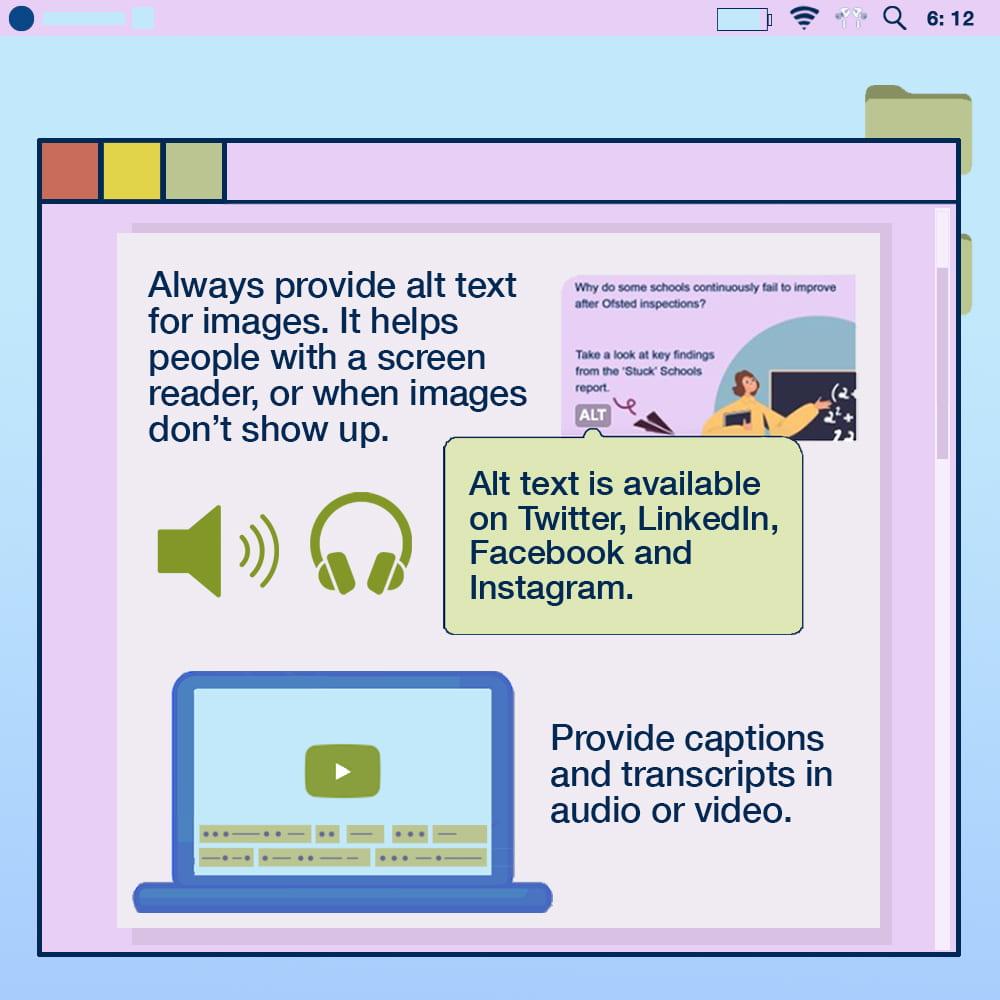
Design multimedia learning assets—videos, presentations, podcasts—with accessibility in mind. Captioning, transcripts, audio descriptions, and clear visuals are essential for students with disabilities.
- Caption all video and audio content promptly.
- Ensure visual elements are explained and described where necessary.
- Choose software tools that automate and streamline the accessibility workflow.
5. Effective Testing and User Feedback
Conduct regular accessibility audits by involving diverse groups of students and staff. Real-world feedback helps identify unique barriers and fosters a culture of continuous betterment in edtech accessibility.
- arrange usability sessions with students of varied abilities.
- Gather actionable feedback and adapt learning tools accordingly.
- Keep communication channels open for ongoing input and support.
Benefits of Enhancing Accessibility in Learning Technology
Accessibility specialists play a crucial role in shaping inclusive educational environments. The benefits of making learning tools accessible go far beyond compliance—they build a foundation for educational equity and institutional excellence.
Student success and Engagement
- Students with disabilities gain equal access to learning opportunities.
- Improved engagement and participation across diverse cohorts.
- Reduced barriers to academic achievement and retention.
Institutional Reputation and Legal Compliance
- Ensures legal compliance, minimizing risk of litigation or complaints.
- Boosts institutional reputation as a leader in inclusive education.
- Attracts prospective students seeking supportive learning environments.
Innovation and Continuous Improvement
- encourages adoption of cutting-edge edtech solutions.
- Fosters a culture of innovation where accessibility informs every stage of design and implementation.
- Promotes sharing of best practices among staff, faculty, and external partners.
Practical Tips for Aspiring Accessibility Specialists in Edtech
if you’re eager to start or advance your career as an accessibility specialist in education technology, here are some practical steps to guide your journey.
Build Core Competencies
- Master key accessibility standards: WCAG, ADA, and Section 508.
- Gain proficiency with assistive technologies and accessibility testing tools.
- Understand Universal Design for Learning and inclusive teaching practices.
Develop Soft Skills
- Enhance communication to collaborate across multidisciplinary teams (educators, developers, administrators).
- Embrace a problem-solving mindset for overcoming technical and instructional barriers.
- Advocate for inclusivity and accessibility at every organizational level.
Expand Professional Experience
- Seek internships, volunteer roles, or freelance projects focused on accessibility in education.
- Contribute to accessibility audits, user testing, or resource development.
- engage in professional communities dedicated to digital accessibility and edtech innovation.
Stay Informed and Network
- Follow the latest trends and updates in education technology and accessibility standards.
- Attend webinars, workshops, and conferences for professional development.
- Network with accessibility experts, join advocacy groups, and connect with like-minded professionals in higher education and K-12 sectors.
Key Skills and Certifications to Boost Your Accessibility Career
Setting yourself apart as a top accessibility specialist requires both technical expertise and industry-recognized credentials. Consider the following skills and certifications to enhance your career prospects.
- Technical Skills: HTML, CSS, JavaScript, ARIA landmark roles, LMS management, accessibility testing tools (e.g.,Axe,WAVE,JAWS).
- soft Skills: Communication, empathy, collaboration, advocacy, data analysis.
- Certifications: Certified Professional in Accessibility core Competencies (CPACC), Web Accessibility Specialist (WAS), IAAP Certifications, and relevant vendor-specific badges (Microsoft, Google, etc.).
- Professional Memberships: International Association of accessibility Professionals (IAAP),Higher education User Group (HEUG),and related organizations.
Conclusion: Empowering Inclusive Education Through Accessibility Expertise
as educational institutions continue to innovate with technology, the demand for skilled accessibility specialists is rapidly growing. If you’re passionate about equity in education and digital inclusion, embracing top accessibility strategies will help you create transformative learning environments for all students. By mastering technical standards, leveraging assistive technologies, and continually advocating for universal design, you can play a pivotal role in shaping the future of education technology.
Whether you’re just starting your journey or seeking to advance your role within universities, colleges, or schools, remember that your expertise as an accessibility specialist is vital for the success, engagement, and empowerment of every learner. Take these insights, practical tips, and strategies, and be the driving force behind accessible and inclusive education for generations to come.