
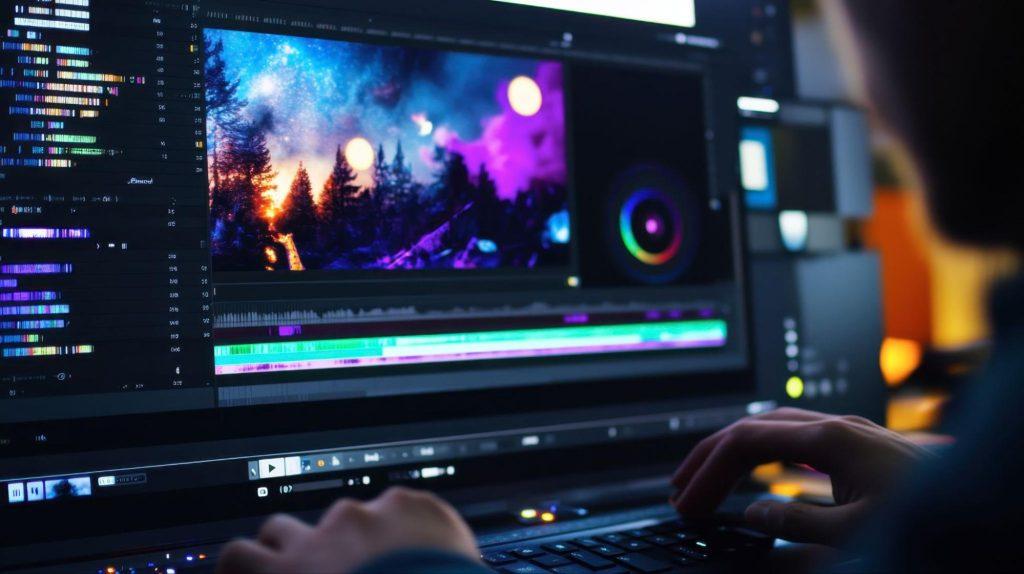
Top Career Guide: Motion Graphics Designer in E-Learning – Skills, Roles, and Opportunities
Are you passionate about visual storytelling and interested in shaping the future of education technology? Becoming a Motion Graphics Designer in e-learning at universities, colleges, or schools coudl be your gateway to a rewarding career. In this complete career guide, you’ll discover the essential skills, key responsibilities, job opportunities, and practical advice needed to succeed in this dynamic field. Whether you’re just starting or seeking to transition into EdTech, this guide will help you make informed decisions and unlock your creative potential.
What is a Motion Graphics Designer in E-Learning?
A Motion Graphics Designer in e-learning specializes in creating engaging animated content to facilitate effective learning experiences.These professionals use visual effects, animation, and other digital media tools to design and produce educational materials that capture attention, explain complex topics, and support diverse learning styles. In the context of universities, colleges, and schools, their work plays a crucial role in online courses, instructional videos, digital textbooks, and virtual classrooms.
Why Choose a Career as a Motion Graphics Designer in Education Technology?
The demand for skilled Motion Graphics Designers in the education sector is rapidly increasing as institutions invest in digital platforms and remote learning solutions. By choosing this career path, you can:
- Contribute to innovative teaching methods and educational access.
- Leverage your creativity to solve real-world learning challenges.
- Collaborate with faculty, instructional designers, and IT experts.
- Build a diverse portfolio across topics and age groups.
- Enjoy a dynamic role with evolving technologies and opportunities.
Key Roles and Responsibilities
The role of a Motion Graphics Designer in e-learning is both creative and technical. Here’s what you can expect on the job:
- Concept Growth: Collaborate with educators and subject matter experts to understand learning objectives and brainstorm effective visual storytelling approaches.
- Design and Animation: Create storyboards, illustrations, and animated sequences for tutorials, explainer videos, microlearning modules, and interactive presentations.
- Video Editing: Integrate motion graphics into video content, synchronize animations with voiceover or background music, and ensure smooth transitions.
- Asset Creation: Design icons, diagrams, infographics, and custom graphics tailored to educational themes.
- User Experience: Optimize content for engagement, accessibility, and different devices (mobile, tablet, desktop).
- Quality Assurance: test animations for clarity,relevance,and alignment with curriculum standards.
- Collaboration: Work closely with instructional designers, curriculum developers, and multimedia teams to ensure seamless integration across digital learning platforms.
essential Skills for Success
To excel as a Motion Graphics Designer in education technology, you’ll need a combination of technical expertise and soft skills:
Technical Skills
- Proficiency in animation and design software such as Adobe after Effects, Premiere Pro, Photoshop, Illustrator, and similar tools.
- Understanding of visual communication principles and motion design fundamentals.
- Knowledge of typography, color theory, and composition tailored for instructional content.
- Familiarity with video editing, audio synchronization, and exporting files in appropriate formats.
- Basic understanding of HTML5 and responsive design can be beneficial.
Creative and soft Skills
- Strong storytelling ability to translate concepts into compelling visual narratives.
- Attention to detail and commitment to producing high-quality work.
- Collaboration and communication skills for working in multidisciplinary teams.
- Time management and organizational abilities to handle multiple projects and meet deadlines.
- Openness to feedback and willingness to adapt designs based on user testing and educational requirements.
Typical Pathways to Becoming a Motion Graphics Designer in E-Learning
Breaking into the edtech job market as a Motion Graphics Designer can follow multiple educational and experiential pathways:
- Formal Education: A bachelor’s degree in graphic design, animation, multimedia production, visual communication, or a related field is commonly required.
- Professional Certifications: Industry credentials in motion graphics, e-learning production, or software proficiency can enhance your profile.
- Online portfolios: Showcasing a diverse range of motion graphics projects relevant to education increases employability and visibility to recruiters.
- Internships and Freelance Experience: Gaining practical exposure through internships, contract work, or contributing to open educational resources can provide valuable hands-on experience.
- Continuous Learning: Staying updated with new animation tools,e-learning authoring software,and accessibility standards is essential as technology evolves.
job Opportunities in Universities, Colleges, and Schools
The EdTech sector offers a rich variety of career options for Motion Graphics Designers, including:
- Higher education Institutions: Join instructional design departments or media labs at universities and colleges to develop digital courseware and MOOCs.
- K-12 Schools: Collaborate with teachers and technologists to produce engaging materials for classroom instruction or blended learning environments.
- Online Learning Platforms: Work with e-learning companies, publisher’s education divisions, or EdTech startups delivering content to schools worldwide.
- Corporate Training for education: Design educational videos and animated guides for teacher professional development and administrative training.
- Freelance and Consulting: provide specialized design services for multiple educational clients, curriculum projects, or non-profit organizations.
Benefits of Working as a Motion Graphics Designer in E-Learning
Pursuing a career as a Motion Graphics Designer in schools, colleges, or universities offers several distinct benefits:
- Purpose-Driven Work: Directly contribute to improved educational outcomes and student engagement.
- Creative Freedom: Enjoy the artistic process of visualizing complex ideas and experimenting with animation techniques.
- Job Stability: The rising demand for digital learning ensures stable employment opportunities in educational institutions.
- Professional Growth: Collaborate with experts across different subjects, expand your skillset, and keep pace with innovative technologies.
- Work-life Flexibility: Many organizations support flexible or hybrid work arrangements, appealing to creative professionals.
Practical Tips for aspiring Motion Graphics designers in E-Learning
- Build a Specialized Portfolio: Focus on creating educational animations, explainer videos, and interactive modules to showcase your suitability for EdTech roles.
- Master E-learning Tools: Learn industry-standard authoring tools such as Articulate Storyline, Adobe Captivate, or Camtasia in addition to core motion graphics software.
- Understand Educational Pedagogy: Familiarize yourself with learning theories, instructional design, and age-appropriate communication strategies.
- Network in the Education community: Join groups or forums related to EdTech and motion graphics, attend virtual conferences, and participate in collaborative projects.
- Stay Informed: Follow trends in online education, accessibility compliance, and emerging technologies like augmented or virtual reality in digital learning.
- Refine Presentation Skills: Be prepared to explain your creative process, rationale, and technical workflow in interviews and project meetings.
how to Land a Motion Graphics Designer Job in Education technology
Ready to kickstart your career as a Motion Graphics Designer in e-learning at leading universities,colleges,or schools? Here are key steps for job seekers:
- Research Employers: Identify educational institutions or EdTech companies committed to digital innovation and discover their hiring requirements for creative roles.
- Tailor Your Resume: Highlight your animation skills,experience with e-learning content,and ability to collaborate with educators or instructional design teams.
- Prepare a Demo Reel: Curate your best educational motion graphics work and assemble a professional showreel with clear context and outcomes.
- Showcase Collaboration: Provide examples of project-based teamwork,communication,and responsive design in your job applications and interviews.
- Apply Strategically: Target both full-time and contract opportunities, leveraging your portfolio’s unique strengths for each role.
Conclusion
Pursuing a career as a Motion Graphics Designer in e-learning at universities, colleges, or schools places you at the intersection of creativity and education technology. This high-impact role lets you transform how students and educators engage with content across digital platforms. By building the right skills, understanding the unique needs of educational institutions, and actively developing your portfolio, you can thrive in this rapidly evolving field. Embrace the possibility to bring learning to life through animation—and start shaping the future of education today!